
Reviewed · JEITA GROTTO TOURS
From Beirut: Jeita Grotto, Harissa & Byblos Private Day Tour
Jeita Grotto’s limestone chambers, Byblos’s ancient harbor, and the sunset view from Harissa make this one of Lebanon’s most varied day trips. In a single outing, you move from underground rivers to Phoenician ruins, seaside cafés, and mountain shrines.
I like the private SUV, especially for a day with several long drives, and I like the freedom to shape the route around history, religion, food, or the coast. Guides Joe and Joseph are repeatedly praised for being friendly, punctual, helpful, and easy to talk with. The main drawback is simple: there is far more on the route than fits comfortably into nine or ten hours, so you must choose your priorities.
Key points at a glance

- Jeita Grotto combines two cave levels: You see the upper caverns and lower limestone chambers, with stalactites and underground water.
- Byblos gets proper walking time: The plan includes the harbor, citadel area, old souk, Roman remains, churches, mosque, and Memory of Time fossil museum.
- Harissa is best timed late: The cable car or car ride leads to Our Lady of Lebanon and wide views over Jounieh Bay, especially near sunset.
- The route can become a northern-coast day: Add Batroun, Mseilha Fort, the Nabu Museum, and Our Lady of Noorieh if coastal scenery matters more than a slower visit.
- Saint Charbel is an optional mountain branch: The Monastery of Saint Maroun and Saint Charbel’s Hermitage add a quiet spiritual dimension.
- The $200 price buys privacy, not admissions: Fuel, parking, tolls, Wi-Fi, water, coffee, and pickup are included, while site tickets, the cable car, lunch, and optional extras cost more.
Why this makes a strong first day in Lebanon
This tour works because it connects places that would be awkward to organize by public transport in one day. You get a private vehicle, a local guide, hotel or residence pickup, and room to change the plan as the day develops.
For a first visit, I like the mix. Jeita gives you Lebanon’s natural side. Byblos supplies the archaeological and coastal setting. Harissa brings the big view and a clear sense of Lebanon’s religious identity. You can also add Saint Charbel or Batroun, but adding everything produces a fast-moving day.
The group size is private, with one to five people in a black Jetour X70 Plus SUV. That matters here. You are not waiting for a large coach to load, and you can ask Joe or Joseph to spend longer at a place that catches your interest. Wi-Fi, air conditioning, bottled water, a local snack, and Lebanese coffee make the long stretches easier.
The advertised price is $200 for a group of up to one, so check the exact total for your party before paying. For a solo visitor, it is a substantial day-trip cost, but it covers a vehicle, driver-guide, fuel, tolls, parking, and pickup. For a small group, the private format can be good value compared with paying separate transport and guide costs.
More Jeita Grotto tours in Byblos:
- Guided Small-Group Tour to Jeita, Harissa, Byblos with Lunch
★ 5.0 · 361 reviews - Jeita Grotto,Harissa&Byblos Full-Day PRIVATE-CAR Trip from Beirut
★ 5.0 · 222 reviews - Jeita Grotto – Harissa – Byblos Trip
★ 5.0 · 169 reviews
Nahr el-Kalb, where Lebanon’s roads tell a long story
The first sightseeing stop is the Stelae of the Nahr el-Kalb, or Lycus River. It is a short photo and guided-history stop, usually around 15 minutes, but it gives the day a useful opening lesson.
The river corridor has been used as a route through the coast and mountains for centuries. The carved inscriptions and monuments are recognized on Lebanon’s UNESCO Tentative List. You will not spend hours here, and that is appropriate. Think of it as a quick introduction to the country’s layered past before the tour moves on.
This stop also breaks up the initial drive from Beirut. Bring your camera, but do not expect a long walk or a full archaeological visit. The value is in the guide’s explanation and in seeing how roads, rivers, and mountain passes shaped movement through Lebanon.
Jeita Grotto, the day’s natural centerpiece
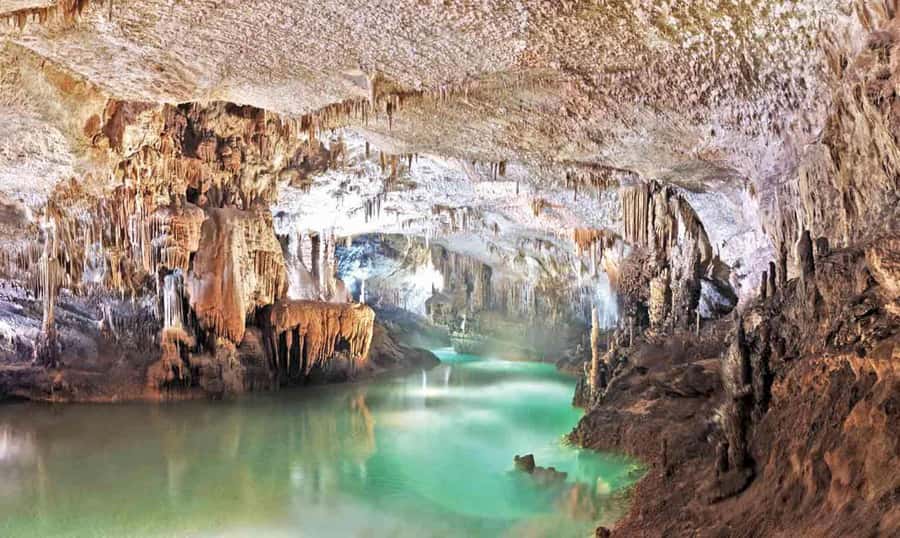
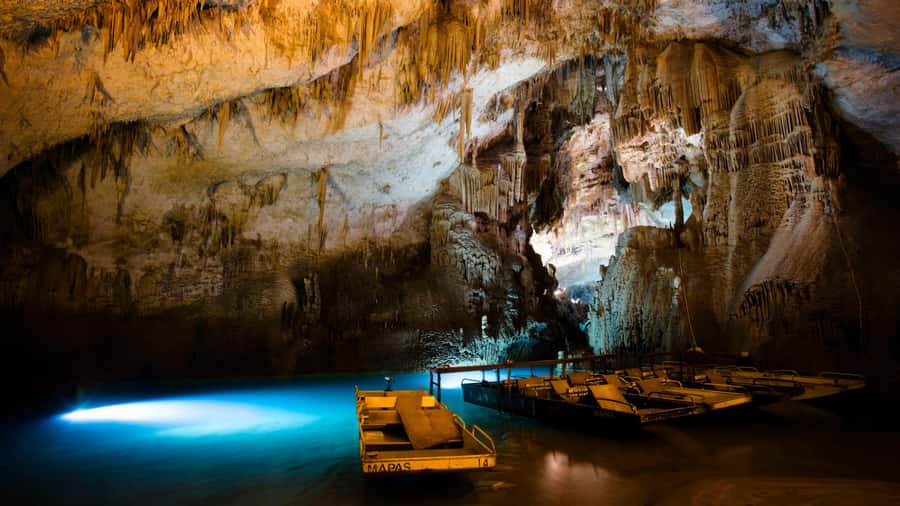
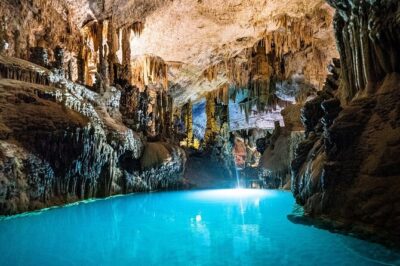
Jeita Grotto is the most unusual stop on the standard route. You visit upper and lower limestone caves filled with stalactites, sculpted rock formations, and underground water. The planned visit lasts about 70 minutes, enough for a meaningful look without turning the whole day into a cave outing.
The upper and lower sections feel different. The upper cave gives you a more traditional walking visit among the formations. The lower section is associated with the underground river and may involve a boat experience when operating conditions allow, but the supplied tour details do not guarantee every cave feature on every date. Ask Joe or Joseph what is open when you arrive.
Jeita is also the place where practical timing matters. Entrance tickets are not included, and the tour provider says to check the current admission arrangements. Photography rules can apply inside attractions, so follow the site’s instructions rather than assuming you can use your camera everywhere.
I would give Jeita your full attention instead of treating it as a quick stop between other sights. The caves are the one part of the day you cannot reproduce with a view, a ruin, or a museum. If your priority is archaeology rather than scenery, you may prefer to shorten the optional northern coast and protect this visit.
Saint Charbel’s mountain route, a quiet optional change of pace
The itinerary can continue from Jeita toward Annaya, with visits to the Monastery of Saint Maroun and the Hermitage of Saint Charbel. The listed time is about 20 minutes at each site, so this is a brief introduction rather than a full pilgrimage program.
Saint Charbel is one of Lebanon’s most revered saints, and the Annaya sites carry strong spiritual importance. Even if you are not visiting for religious reasons, the mountain setting offers a calm contrast to Byblos’s streets and the coastal road. The guide can explain the significance of the monastery and hermitage while you take in the setting.
There is a tradeoff. Adding Annaya means less time for Batroun or Byblos, and the schedule already has a lot of moving parts. I would choose this branch if Saint Charbel matters to you, if you want religious sites, or if you prefer a quieter mountain stop. I would skip it if your main goal is the coast.
The tour also lists the possibility of visiting the Couvent du Christ Roi, based on one guest’s customized route, but this is not part of the fixed sequence described here. Ask in advance if you want a specific monastery added.
More Byblos tours in Byblos:
- Byblos, Jeita Grotto & Harissa Day Trip -With Lunch (4G on Board)
★ 4.5 · 145 reviews - Semi-Private Tour to Jeita Grotto, Harissa & Byblos with Lunch
★ 5.0 · 52 reviews - Small Group Tour to Jeita Grotto, Harisa & Byblos with Hotel pickup
★ 5.0 · 49 reviews - Private Guided Tour to Jeita Grotto through Harissa and Byblos
★ 5.0 · 48 reviews
Byblos, best explored on foot and without rushing
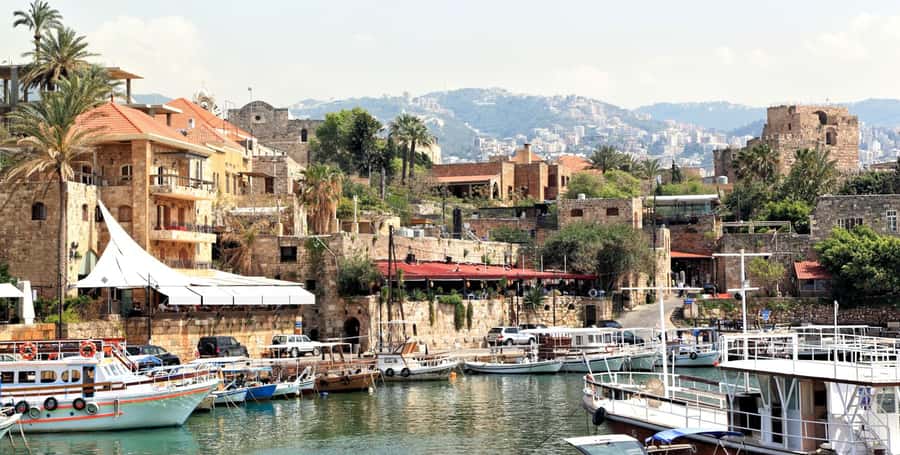
Byblos is the historical heart of the day. It is one of the world’s oldest continuously inhabited cities, but the phrase matters only if you have time to walk through its layers. The plan allows about two and a half hours, including lunch, shopping, and sightseeing. That is enough for a good introduction, though not enough for every attraction in depth.
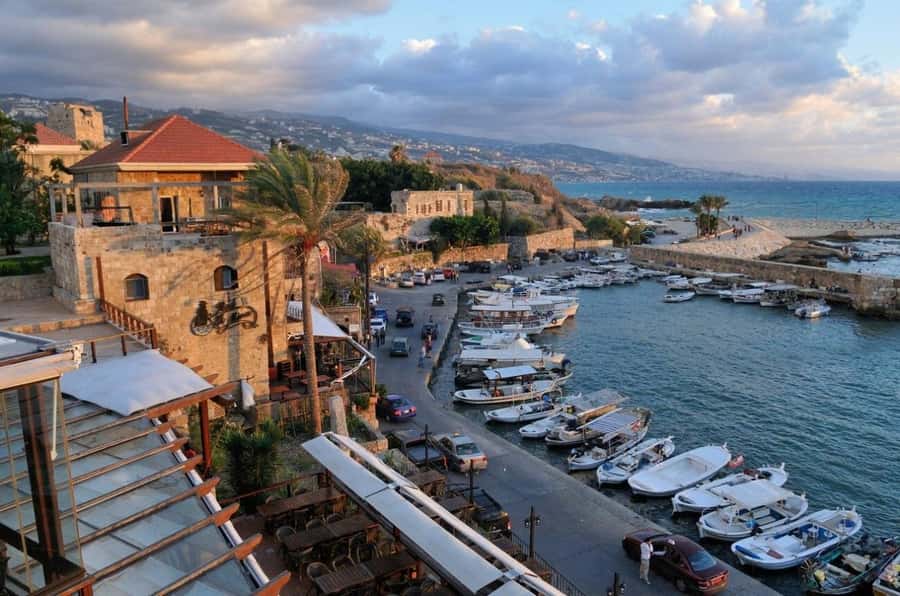
Start near the fishing port and harbor. The water, boats, and stone buildings give Byblos a pleasant coastal rhythm before you move inland toward the archaeological area. The Byblos Citadel and Crusader fortress are key landmarks, and the Roman theater and ancient remains show how many periods occupy the same small area.
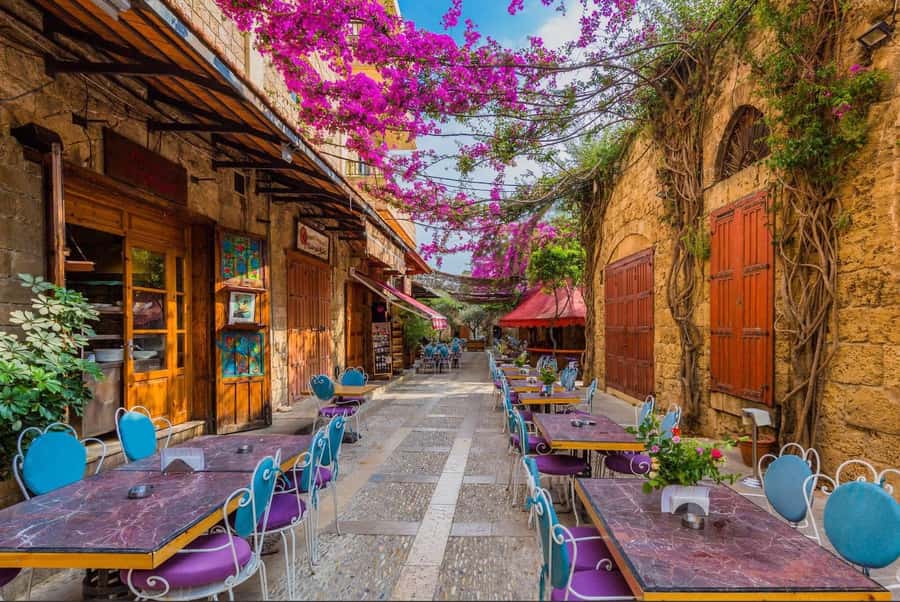
The route then leads into the Old Souk. This is where a private guide helps. You can walk at a natural pace, stop for a shop, and ask questions instead of being pushed through a fixed group schedule. The lanes include Saint John Marc Church, the Sultan Abdul Majid Mosque, and other historic buildings.
The itinerary also includes brief stops at the Royal Palace and Roman theater, generally from outside or as short guided visits. Do not expect a museum-style treatment of every ruin. The strength of the Byblos portion is the way the port, fortress, old market, religious buildings, and ancient site fit together within a walkable area.
A particularly good inclusion is the Memory of Time Fossil Museum. You receive entry and a short presentation there. Fossils from Lebanon’s mountains and older seas give you a different way to understand the country’s geology. The Armenian Genocide Orphans’ Aram Bezikian Museum may be passed by or visited briefly, but the time allocation is short, so ask what is open and included that day.
Lunch is not included. You can request a restaurant reservation, or ask the guide for a suitable local place. This is one area where flexibility has real value: you may want seafood, a quick meal to protect sightseeing time, or a longer lunch by the harbor. Just remember that a leisurely meal can cut into the already limited time for the citadel and souk.
Entrance to Byblos Castle is not included. If you want to go inside, budget for the ticket and tell the guide early so the walking plan can be adjusted.
The northern coast, from Mseilha Fort to Batroun
The extended coastal route adds several stops beyond Byblos. This is not a minor add-on. Mseilha Fort, the Nabu Museum, Our Lady of Noorieh, and Batroun can turn the day into a very full circuit.
Mseilha Fort is a short photo and sightseeing stop. Its position beside the road makes it easy to appreciate as part of the coastal journey, though the visit is listed at only 15 minutes. You will get a look and some context rather than a long exploration.
The Nabu Museum offers modern art and cultural displays. Its visit is listed at about 30 minutes, but admission is not included and opening hours matter. This is a useful choice for readers who need a break from ruins and religious sites. If the museum is closed or not a priority, use the time for Batroun.
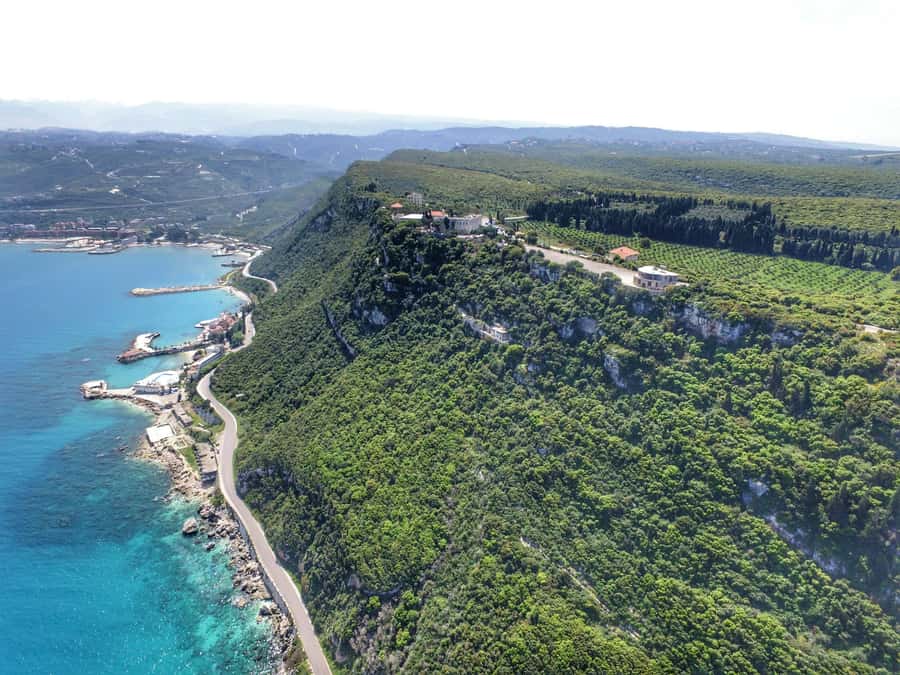
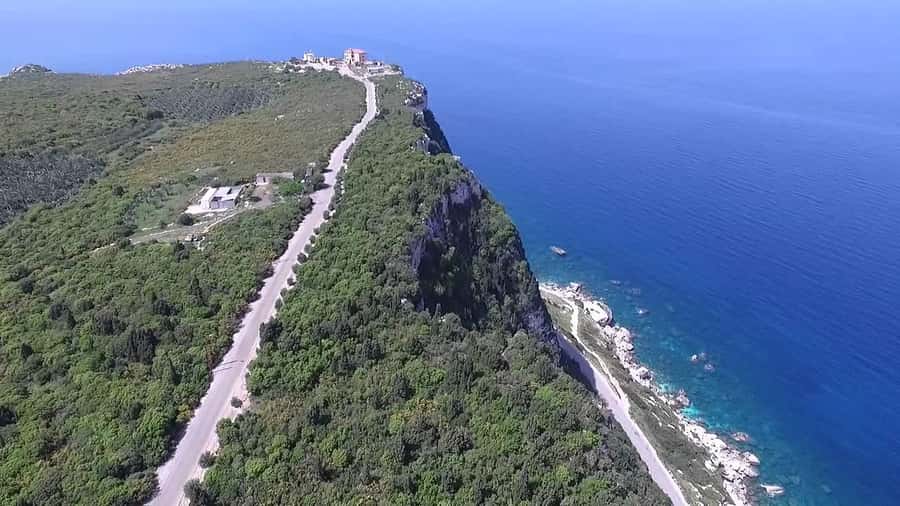
Our Lady of Noorieh Monastery is perched above the coast and is included as a scenic and religious stop on the extended route. The view is the main reason to come. The listed 20 minutes is enough for a photo and a look around, but not for lingering.
Batroun receives the longest coastal stop, about 75 minutes. Walk through the old souk, see St. Stephen Cathedral, visit the port, and follow parts of the Phoenician wall. Other short stops include Saint George Orthodox Church, the Church of Our Lady of the Sea, Hilmi’s House of Lemonade, the Lebanese Diaspora Village, and the statue of a sponge diver.
This is a good place to slow down, but the schedule is still ambitious. A list of ten short stops can sound generous, yet it often means quick photographs rather than extended visits. If Batroun is your main interest, tell the guide to reduce the number of minor stops and give you more time for the souk, port, food, and cafés.
You can also request a winery visit in the Batroun area, a beach café, or a coastal swim. These extras are not included, and adding one may require dropping the Nabu Museum or another stop. The same applies to a sunset stop along the coast.
Harissa and the best final view
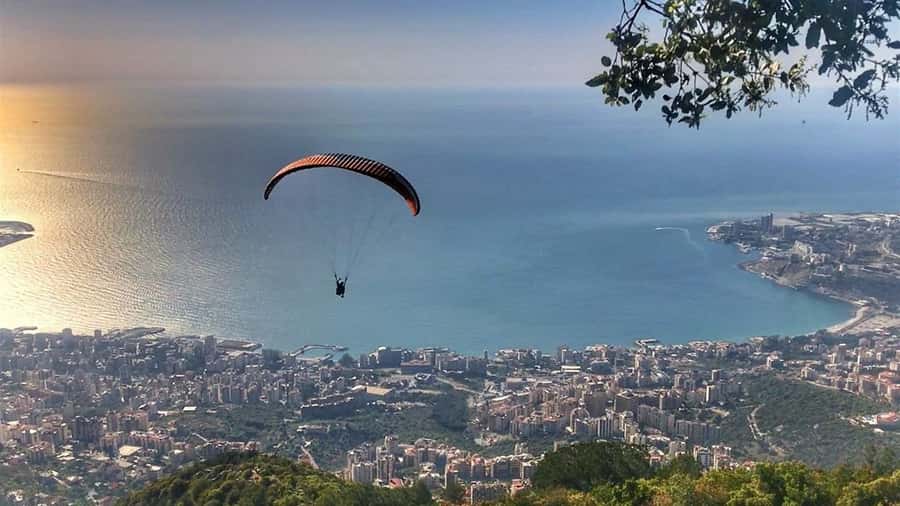
The day finishes at Harissa, above Jounieh Bay. Our Lady of Lebanon is a large statue and pilgrimage site with broad views over the bay and surrounding coast. The planned visit lasts about an hour, often with sunset listed as the ideal setting.
The Teleferique du Liban cable car is an optional way to reach Harissa. The ride is not included in the tour price. You can also reach the shrine by car, which is the included arrangement described for the stop. If the cable car is important to you, confirm its operating status and ticket cost before setting out.
I like placing Harissa late in the day. After the cave, ruins, museums, and walking streets, the view gives you time to pause. At sunset, Jounieh’s lights begin to appear below, creating one of the most memorable visual moments on the route. One visitor’s customized day ended here, and the combination of sunset and evening lights was singled out as a highlight.
Dress with some care. Religious sites may require covered shoulders and knees, and comfortable shoes are useful for Byblos, Harissa, and uneven archaeological ground.
What Joe or Joseph adds to the day
The guide can make or break a private tour, and this experience depends heavily on that personal element. Joe and Joseph are the named guides associated with the service. The strongest praise focuses on their warm manner, clear explanations, punctuality, practical help, and willingness to adjust the route.
That practical help matters more than a memorized speech. You can ask about Lebanon’s history, request a food stop, change the order, or spend more time in a town. One visitor was also helped with practical matters beyond sightseeing, which is useful when you are still finding your feet in a new country.
The tour is offered in English, French, and Arabic. The vehicle has Wi-Fi, and the driver’s name, photo, and license plate are sent by WhatsApp the evening before pickup. Pickup is available from Beirut, Dbaye, Jounieh, or Beit Meri, with return to those areas.
The expected pickup is usually between 8:00 and 9:00 in the morning. Allow for a possible 10 to 15 minute delay during rush hour. You should wait in your hotel lobby, or outside the main entrance of a private residence, five minutes before the agreed time.
The real cost, pace, and practical limits
The stated cost is $200 for a group up to one. It includes the private air-conditioned SUV for up to five people, fuel, parking, tolls, Wi-Fi, water, a snack, Lebanese coffee, and pickup and drop-off. That is a fair bundle for someone who values private transport and local guidance, but it is not an all-inclusive admission price.
Plan extra money for Jeita Grotto, Byblos Castle, Nabu Museum, the Harissa cable car, lunch, shopping, tips, and any winery or beach arrangements. Small USD or Lebanese pound cash is useful for personal spending.
The nine to ten hour duration is realistic for the core route with sensible stops. It is not realistic to experience every listed site at length. The extended coastal itinerary and Saint Charbel route should be treated as choices, not a promise that you will thoroughly visit every place in one day.
The tour is not suitable for wheelchair users and is not recommended if you have major mobility issues. Uneven archaeological ground, walking in old town lanes, cave access, and religious sites all require some physical ease. Bring a passport or ID, comfortable shoes, sun protection, a charged phone, weather-appropriate clothing, and any personal medication.
Free cancellation up to 24 hours before the start and reserve-now, pay-later booking give you useful flexibility. The provider also offers infant seats when requested at least 24 hours ahead.
Should you book it?
Book this tour if you want to see several sides of Lebanon in one private day and you value a guide who can adjust the pace. It is especially useful for a first visit, a short stay in Beirut, couples, families, and small groups that do not want to manage several separate taxis.
Choose the core Jeita, Byblos, and Harissa route if you prefer depth over distance. Add Saint Charbel for a spiritual focus, or choose Batroun and the northern coast for sea views, churches, cafés, museums, and a more relaxed town feel.
I would not book the full list with the expectation of a leisurely visit at every stop. Decide your top three priorities before pickup and tell Joe or Joseph clearly. With that small bit of planning, the private format becomes the tour’s greatest strength: you get Lebanon’s caves, old cities, shrines, and coast without having to follow someone else’s idea of the perfect day.
FAQ
How long does the private day tour last?
The tour lasts approximately nine to ten hours. Pickup is usually scheduled between 8:00 and 9:00 in the morning, with return to Beirut, Jounieh, Beit Meri, or Dbaye.
Where can pickup and drop-off take place?
Pickup and drop-off are available in Beirut, Dbaye, Jounieh, and Beit Meri. Hotel guests should wait in the lobby, while visitors staying in private residences should wait outside the main entrance.
What vehicle is used?
The tour uses a black, air-conditioned Jetour X70 Plus SUV. It accommodates one to five guests and includes complimentary Wi-Fi.
Who guides the tour, and which languages are available?
The named guides are Joe and Joseph. Guiding is available in English, French, and Arabic.
Are Jeita Grotto entrance tickets included?
No. Entrance tickets, including Jeita Grotto where applicable, are not included in the tour price.
Is the Harissa cable car included?
No. The Teleferique du Liban cable car ride is optional and costs extra. Harissa can also be reached by car.
Is lunch included?
No. Meals are not included, but a local lunch reservation can be arranged upon request.
Can the itinerary be changed?
Yes. You can request a focus on spiritual sites, history, or the coast. Optional additions include Batroun wineries, beach or café stops, Saint Charbel sites, Mseilha Fort, the Nabu Museum, and Our Lady of Noorieh.
Is the tour suitable for wheelchair users?
No. The tour is not suitable for wheelchair users and is not recommended for people with mobility issues because some sites have uneven terrain.
More Harissa Tours in Byblos
- New Guided Semi-Private Tour to Jeita Grotto, Harissa & Byblos
★ 5.0 · 47 reviews - Beirut: Jeita Grotto, Harissa, Byblos group tour & Guide
★ 5.0 · 27 reviews - Lebanon Tour Jeita-Harissa & Byblos w/pickup,lunch,entries +guide
★ 5.0 · 27 reviews - Jeita Grotto – Harissa – Byblos Tour (All Inclusive)
★ 4.5 · 27 reviews
Just added around Byblos
- Small Group Tours to Jeita Grotto and Byblos with tickets★ 5.0 · 3 reviews
- Small-Group Tour with Lunch to Jeita Grotto, Byblos and Harissa★ 4.5 · 3 reviews
- Guided Semi-Private Tour to Jeita, Harissa & Byblos★ 5.0 · 4 reviews
- Exclusive Journey to Jeita Grotto, Harissa, and Byblos★ 4.5 · 5 reviews
- Private Full-Day Tour to Byblos and Tripoli from Beirut★ 5.0 · 3 reviews
- Beirut to Jeita Grotto and Byblos: Daily Tours with Lunch★ 5.0 · 3 reviews
- Guided Full-Day Private Tour to Jeita Grotto, Byblos and Baalbek★ 5.0 · 5 reviews
- Byblos and Tripoli Tour★ 5.0 · 4 reviews
Jeita Grotto Tours, compared.
Guided Small-Group Tour to Jeita, Harissa, Byblos with Lunch
Read our review →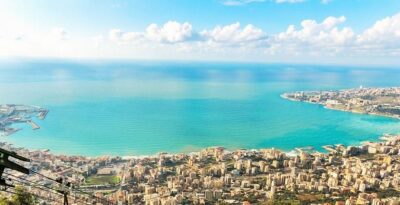
Jeita Grotto,Harissa&Byblos Full-Day PRIVATE-CAR Trip from Beirut
Read our review →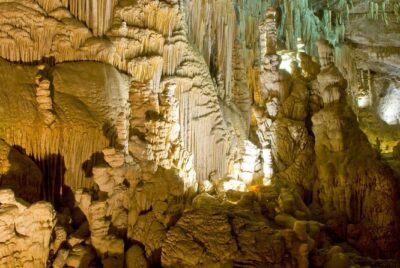
Byblos, Jeita Grotto & Harissa Day Trip -With Lunch (4G on Board)
Read our review →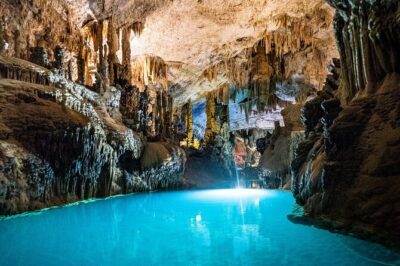
Semi-Private Tour to Jeita Grotto, Harissa & Byblos with Lunch
Read our review →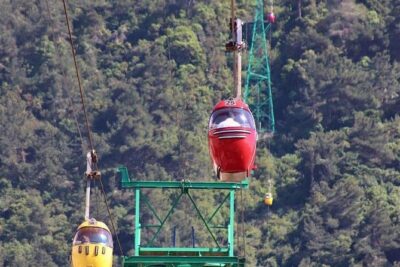
Small Group Tour to Jeita Grotto, Harisa & Byblos with Hotel pickup
Read our review →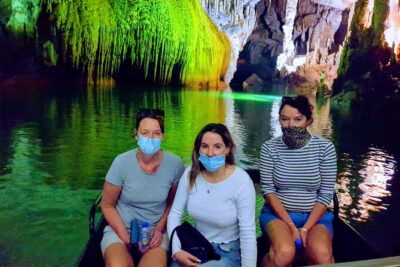
Private Guided Tour to Jeita Grotto through Harissa and Byblos
Read our review →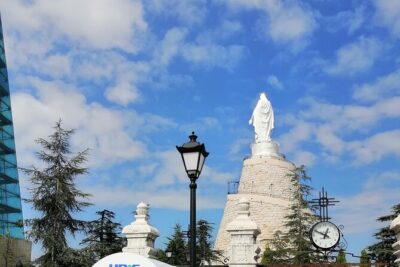
New Guided Semi-Private Tour to Jeita Grotto, Harissa & Byblos
Read our review →
Jeita Grotto, Harissa, Byblos group tour & Guide
Read our review →Browse the lists this tour appears in