
Reviewed · JEITA GROTTO TOURS
New Guided Semi-Private Tour to Jeita Grotto, Harissa & Byblos
Jeita Grotto is the main event here: you move through one of Lebanon’s great natural sights by cable car, mini-train, and cave boat, then continue to the hilltop shrine at Harissa and the ancient port of Byblos. It is a big day, but it gives you three very different sides of Lebanon without making you arrange separate drivers, tickets, and directions.
I like the hotel pickup and drop-off, especially in Beirut, where a full day of out-of-town sightseeing is easier when someone else handles the road. I also like the mix of nature, religion, sea views, archaeology, and local shopping. Guides such as Ali and Harake are praised for explaining the sites, answering questions, and keeping the day moving.
The main thing to watch is the price structure. The advertised fare is $55 per person, but entrance fees and the cable car may be optional add-ons, and lunch at a Byblos seaside restaurant is also optional. Confirm what your selected package includes before paying.
Key points to know before booking
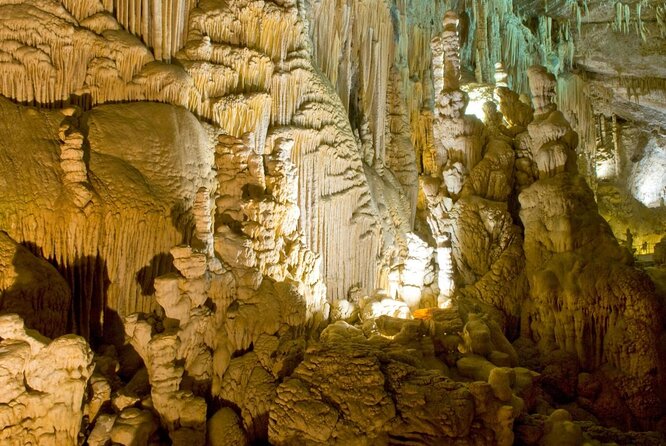
- Jeita Grotto uses three kinds of transport: a cable car, a mini-train, and a boat inside the cave system.
- Harissa gives you the day’s finest coastal view, looking over Jounieh Bay from the mountain shrine.
- Byblos packs ancient ruins, a Crusader castle, a port, and an old souk into a walkable area.
- Hotel pickup and an air-conditioned vehicle remove much of the day’s planning.
- The group can reach 15 people, so this is small-group rather than fully private.
- Lunch and entrance tickets require careful checking, since both are presented as optional choices.
Why this Beirut day trip works so well
This tour is built for you if Beirut is your base and you want to see more of Lebanon in one day. Jeita Grotto lies outside the city, Harissa rises above Jounieh, and Byblos sits farther north along the coast. Visiting all three independently would mean arranging transport, watching opening times, finding parking, and deciding which tickets to buy.
Here, you leave Beirut in the morning, ride in an air-conditioned vehicle, and return after roughly eight to nine hours. The group size is capped at 15, which is small enough for a more personal feel, though you should not expect the quiet pace of a private car and guide.
The day also has a good rhythm. The grotto supplies the natural drama. Harissa changes the mood with its mountain setting and religious monument. Byblos brings you back to the sea, with ruins, cafés, shops, and a port that is easy to explore on foot.
A guide makes a real difference at Jeita and Byblos. The cave formations are easy to admire, but a good explanation helps you notice shapes and details you could otherwise walk past. At Byblos, context helps connect the castle and archaeological remains to the old streets around them.
More Jeita Grotto tours in Beirut:
- Guided Small-Group Tour to Jeita, Harissa, Byblos with Lunch
★ 5.0 · 361 reviews - Jeita Grotto,Harissa&Byblos Full-Day PRIVATE-CAR Trip from Beirut
★ 5.0 · 222 reviews - Jeita Grotto – Harissa – Byblos Trip
★ 5.0 · 169 reviews
Jeita Grotto, Lebanon’s great cave visit

Your first major stop is Jeita Grotto, reached after a morning pickup from your Beirut hotel. The stated pickup time is around 8:15 a.m., while the general start time is listed as 8:30 a.m., so it is sensible to be ready early and confirm the exact pickup with the operator.
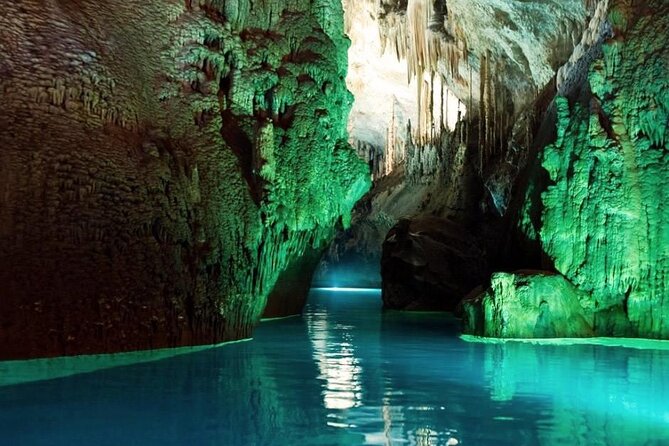
The grotto is a system of two separate but connected limestone caves with a total length of nearly 10 kilometers. You do not cover all of that distance. The visit focuses on the sections open to the public, where the scale of the chambers and the unusual stone formations do the talking.
What makes this stop more than a standard cave walk is the sequence of transport. You ride a cable car up to the grotto area, use a mini-train, and take a boat through the lower cave section when conditions allow. The boat ride is particularly unusual, since it lets you see the cave from a low position rather than only from a footpath.
You have about 1 hour and 15 minutes here. That is enough for the main experience, but it is not an invitation to linger without watching the clock. The tour has several later stops, so follow your guide’s timing and keep your group in sight.
Photography may be limited in parts of the grotto, and the boat and cable car are subject to operating conditions. The supplied plan says that entrance tickets are not included in the basic arrangement, but you can choose an option that covers all entrance fees and one-way cable car fare. That option is useful if you prefer a simple day with fewer payments, while the base price may suit you if you want to control extra costs.
I would give Jeita your full attention. It is the most distinctive stop on the day, and several guides, including Harake and Ali, are specifically praised for explaining the cave formations in a way that helps you see more than just rocks and shadows.
Harissa and the view over Jounieh Bay
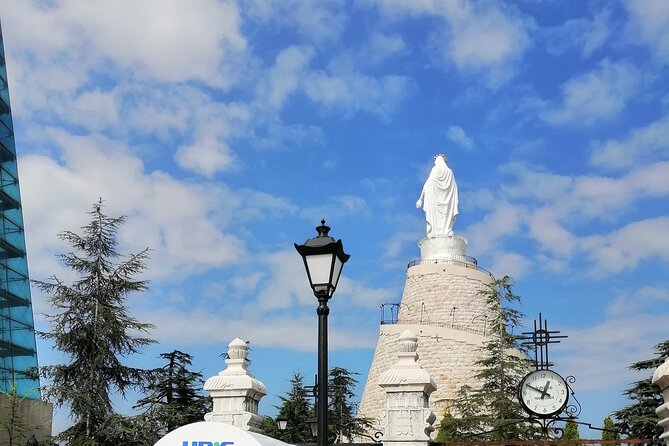
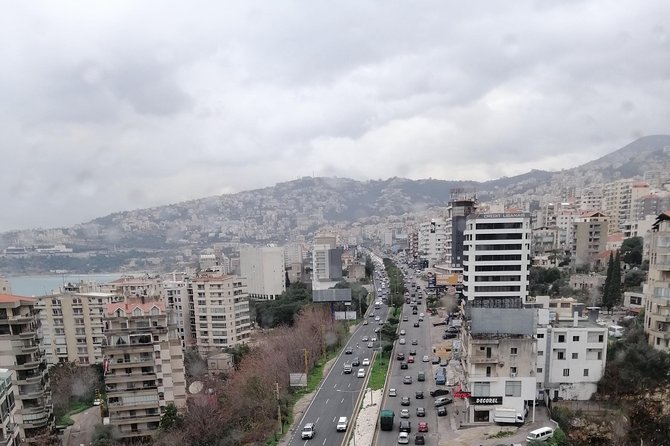
From Jeita, the vehicle climbs toward Harissa, where the Shrine of Our Lady of Lebanon sits above the coastal town of Jounieh. The main sight is the large Virgin Mary statue, a familiar symbol of Lebanon and an important religious destination.
You have about 30 minutes at the shrine. That is enough to take in the monument, enjoy the mountain air, and look across Jounieh Bay. The view is the real reason to bring your camera. From this height, the coast and mountain setting give you a sharp change from the enclosed world of Jeita Grotto.
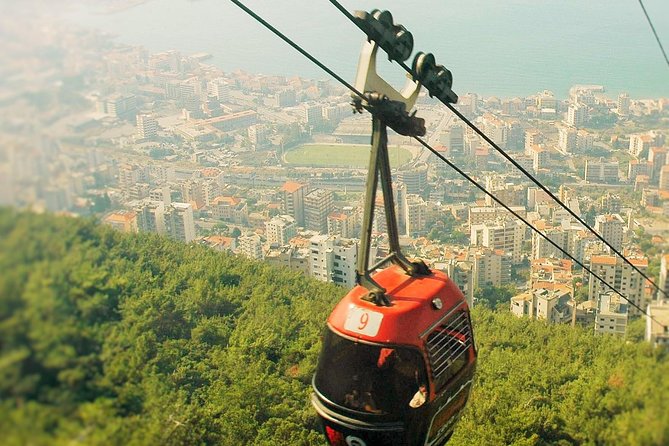
The stop is free to enter, though the cable car is a separate matter. If it is operating, you ride the Téléferique from Harissa down to Jounieh. The ride takes about 20 minutes and offers the best moving viewpoint of the bay. You see the coast from above rather than from the road, which makes this short transfer feel like part of the sightseeing.
The vehicle waits in Jounieh before taking you onward to Byblos. If the cable car is closed, the driver continues by road instead. This backup matters because the cable car is not the only purpose of the tour, and a closure should not remove Harissa or Byblos from your day.
The cable car ticket is not included unless you select the package that covers it. Ask exactly what is included, since the description refers to one-way cable car coverage. That wording matters if you are comparing this trip with a private excursion or calculating your total budget.
Byblos Port, where the old city meets the sea
Byblos, also known as Jbeil, is one of the oldest continuously inhabited cities in the world and a UNESCO World Heritage Site. Its appeal is not limited to one monument. You get a compact old quarter where the port, archaeological remains, castle, and souk fit into one manageable walking visit.
The first look is along Byblos Port. The listed port stop is brief, around 15 minutes, but the wider Byblos visit is planned for roughly an hour and a half, including the castle and souk. Start by taking in the marina, then follow your guide toward the older part of town.
This is an easy place to appreciate the value of a guide. The city contains layers from Phoenician, Roman, medieval, and later periods, and the remains are not always self-explanatory. A short explanation can make a half-seen wall or foundation feel connected to the city around it.
The pace is active but not punishing. You walk through old streets and archaeological areas, then have time for the castle and market. Wear practical shoes, since the old quarter includes uneven surfaces and ancient stone paving.
More Byblos tours in Beirut:
- Byblos, Jeita Grotto & Harissa Day Trip -With Lunch (4G on Board)
★ 4.5 · 145 reviews - Semi-Private Tour to Jeita Grotto, Harissa & Byblos with Lunch
★ 5.0 · 52 reviews - Small Group Tour to Jeita Grotto, Harisa & Byblos with Hotel pickup
★ 5.0 · 49 reviews - Private Guided Tour to Jeita Grotto through Harissa and Byblos
★ 5.0 · 48 reviews
The Crusader castle and its Phoenician surroundings
Byblos Castle is the strongest historical stop in town. The Crusaders built it in the 12th century from local limestone and reused Roman structural remains. A moat once surrounded the finished fortress, and its walls changed hands during the long struggles around the eastern Mediterranean.
The castle was associated with the Genoese Embriaco family, the Lords of Gibelet. Saladin captured Byblos and the castle in 1188, and parts of the walls were dismantled. Crusader forces later returned and rebuilt the fortifications in 1197. The castle also faced an attack from Cypriot ships from Famagusta in 1369.
You have about 45 minutes for the castle area. Use that time to look beyond the main walls. The fortress sits beside the Phoenician archaeological site, including the remains of the Temple of Baalat Gebal and the Temple of the Obelisks. This close setting is what makes Byblos so rewarding: one short walk crosses several periods of the city’s past.
Castle admission is not included in the basic price, though the optional entrance package may cover it. If you want to enter, confirm the ticket arrangement before the day begins. You can still enjoy the surrounding port and souk without treating the castle ticket as an automatic part of the $55 fare.
Byblos Old Souk, the most relaxed part of the walk
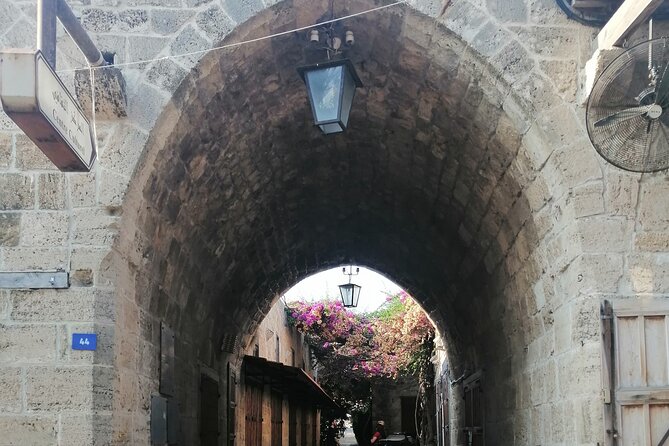
After the castle, you enter the old souk. This is a small market area with local shops selling souvenirs, antiques, crafts, and other goods. You also find cafés and bars along the lanes, giving the area a more lived-in feel than a formal archaeological site.
Allow about 30 minutes here. You can make that a quick browse, or slow down to look into the alleyways and old walls. The souk includes medieval sections, half-ruined structures, and properties built into older remains. It is worth looking up and around rather than walking straight from one shop to the next.
I like this part of the tour because it gives you ordinary town life after the formal sights. You can browse without needing to buy anything, and the compact layout makes it hard to get seriously lost. One practical point: your time is limited, so save large purchases for the end of the visit and keep an eye on the return meeting point.
The castle and souk are also the parts most likely to appeal to different members of a mixed group. One person can focus on archaeology, another can browse local crafts, and someone else can enjoy a coffee near the old lanes. That flexibility helps the Byblos portion feel less rushed than a stop that consists only of a monument.
Lunch beside the Byblos waterfront
The tour then heads to a traditional restaurant for Mediterranean Lebanese food. Lunch is an optional booking choice, and the description places it at a traditional restaurant by the sea in Byblos’ old port.
This arrangement is practical after a morning of caves and walking. You do not need to search for a restaurant while keeping track of a group, and the seaside setting adds to the experience. Still, do not assume lunch is included in the $55 price. Select the lunch option if you want the meal arranged, or confirm what your own booking allows if you prefer to eat independently.
The planned meal lasts about an hour. That gives you a proper break before the drive back to Beirut, though the day remains tightly scheduled overall.
What the $55 price really gets you
At $55 per person, this is a strong value if you want transport and a guide for three separate destinations. Hotel pickup and drop-off, an air-conditioned vehicle, an English-speaking local group leader, and explanations at each site cover the tasks that are hardest to organize on your own.
The value becomes clearer if you are staying in Beirut for a short visit. Instead of spending a full day arranging taxis or negotiating separate rides, you get a single route that links Jeita, Harissa, and Byblos. Group discounts may also make the cost more attractive if you are booking for several people.
The price is less straightforward if you expect every activity to be covered. Jeita admission, the cable car, and the castle are listed as extra unless you choose the entrance-fee option. Lunch is also optional. Before booking, compare the final package total rather than judging only the headline fare.
The tour is also a good choice for solo visitors. The operator has continued with the trip even when only one person was booked, though the experience is designed for a group of up to 15. That suggests some flexibility, but the stated policy also says a minimum number of participants may apply, so cancellation for low enrollment remains possible.
Guides, comfort, and the pace of the day
The strongest personal element is the guide. Ali and Harake are named in the feedback, with repeated praise for their patience, clear explanations, polite manner, safe driving, and ability to answer questions. You may not receive one of those exact guides on your date, but the operator presents the experience as led by an English-speaking local group leader.
That guide also acts as driver or coordinates closely with the driver. This matters on a route with several timed transfers. The day works best when the person managing the road also keeps you aware of how long you have at each stop.
The air-conditioned vehicle is another useful feature. Lebanon’s coastal and mountain roads can make a long day tiring, and the vehicle gives you a cool place to rest between sights. The drive itself also offers opportunities for photographs, especially around the mountain roads and the Jounieh Bay viewpoint.
This is not a slow, unstructured outing. You cover caves, a shrine, a cable car, an ancient city, a fortress, a market, and lunch in one day. I would choose it for variety and convenience, not for extended time at any single site.
Who should book this experience?
I would recommend it to first-time visitors based in Beirut, solo visitors who want an organized day outside the city, couples, and small groups who prefer local guidance over independent transport. It is especially useful if you want to see Jeita and Byblos but have only one free day.
You should also like changing scenery. The day moves from underground chambers to a mountain shrine, then down to a coastal historic town. That range is the tour’s main strength.
You may prefer a private tour if you want long museum visits, a flexible lunch, or more time for shopping in Byblos. Families and people who dislike frequent transfers should also consider the pace. Most people can participate, but the available information does not promise special accessibility arrangements, so ask the operator about your needs before booking.
Free cancellation is available up to 24 hours before the start time for a full refund. Changes or cancellations within 24 hours are not refunded, and the local time cut-off applies.
Should you book the Jeita, Harissa, and Byblos tour?
Book it if you want a well-organized sampler of Lebanon’s coast and mountains without spending your vacation on transport planning. Jeita Grotto is the essential stop, Harissa adds the memorable cable car and bay view, and Byblos gives you the most varied walking portion of the day.
Before you commit, check three things: the exact pickup time, the final price with entrance fees and cable car, and whether you want the optional seaside lunch. If those costs fit your budget, the tour offers a lot for $55 and gives you a useful first look at northern Lebanon in a single day.
FAQ
How long does the tour last?
The experience lasts approximately eight to nine hours, including travel between Beirut, Jeita Grotto, Harissa, Byblos, and Beirut.
What time does pickup begin?
Pickup is scheduled in the morning at about 8:15 a.m., while the general start time is listed as 8:30 a.m. Confirm the exact pickup time for your hotel before the tour.
Are entrance fees included?
The basic option does not include all entrance fees. You can choose an option that includes entrance fees and a one-way cable car ticket.
Is lunch included?
Lunch is optional. You can book lunch at a traditional restaurant by the sea in Byblos’ old port, or choose the arrangement without the lunch add-on.
How many people can join the tour?
The activity has a maximum group size of 15 people.
What happens if the Harissa cable car is closed?
If the cable car is closed, the journey from Harissa to the next stop continues by vehicle.
More Harissa Tours in Beirut
- Lebanon Tour Jeita-Harissa & Byblos w/pickup,lunch,entries +guide
★ 5.0 · 27 reviews - Jeita Grotto – Harissa – Byblos Tour (All Inclusive)
★ 4.5 · 27 reviews - Jeita Grotto, Byblos and Harissa Full-Day Tour from Beirut
★ 5.0 · 23 reviews - Full-Day Private Tour to Jeita Grotto, Harissa and Byblos
★ 5.0 · 20 reviews
Just added around Beirut
- Journey Through Time: Half-Day Private Tour to Baalbek★ 5.0 · 3 reviews
- Small Group Tours to Jeita Grotto and Byblos with tickets★ 5.0 · 3 reviews
- Wine Tasting and Culture★ 5.0 · 3 reviews
- Small-Group Tour with Lunch to Jeita Grotto, Byblos and Harissa★ 4.5 · 3 reviews
- Traveling Spoon Lebanese Mezze Private Online Cooking Class★ 5.0 · 4 reviews
- Beirut to Qadisha Valley, Bcharri & Cedar: Daily Tours with Lunch★ 4.5 · 3 reviews
- Small-Group Tour to Sidon, Tyre and Maghdouche with Lunch and Tickets★ 4.5 · 3 reviews
- Small-Group Tour with Lunch to Baalbek, Anjar and Ksara★ 5.0 · 3 reviews
Jeita Grotto Tours, compared.
Guided Small-Group Tour to Jeita, Harissa, Byblos with Lunch
Read our review →
Jeita Grotto,Harissa&Byblos Full-Day PRIVATE-CAR Trip from Beirut
Read our review →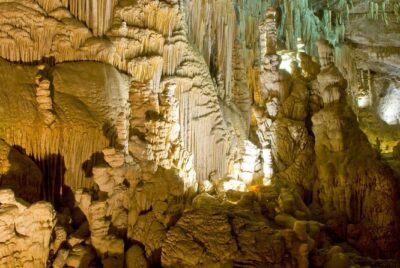
Byblos, Jeita Grotto & Harissa Day Trip -With Lunch (4G on Board)
Read our review →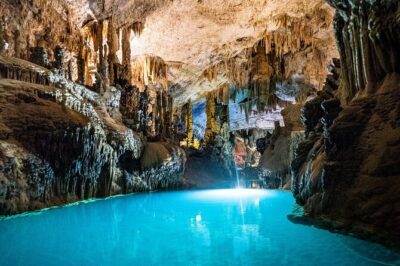
Semi-Private Tour to Jeita Grotto, Harissa & Byblos with Lunch
Read our review →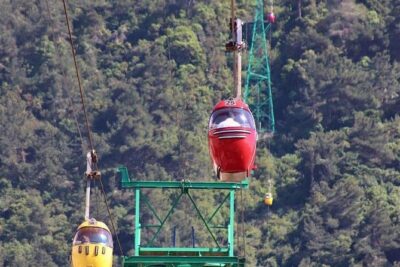
Small Group Tour to Jeita Grotto, Harisa & Byblos with Hotel pickup
Read our review →
Private Guided Tour to Jeita Grotto through Harissa and Byblos
Read our review →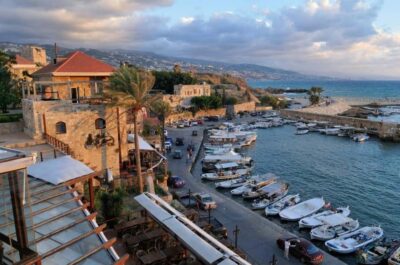

Jeita Grotto, Harissa, Byblos group tour & Guide
Read our review →Browse the lists this tour appears in