
Reviewed · LEBANESE WINERY TOURS
Wine Tasting and Culture
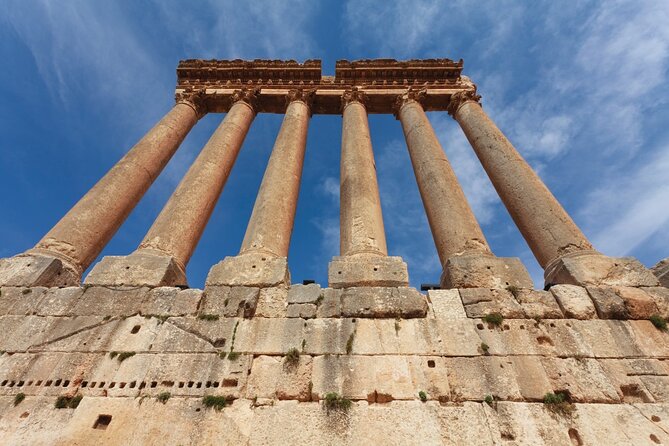
Baalbek gives this day its wow factor: colossal Roman temples, the huge Stone of the Pregnant Woman, and a mountain-framed setting in the Beqaa Valley. Then the mood shifts from ancient stone to Lebanese wine at Château Ksara and Château St Thomas.
I like the private air-conditioned transport and the chance to combine Lebanon’s grandest Roman site with two wineries in one outing. I also like the strong role of the guides. Hassan is praised for his helpful, detailed approach, while the wine explanation at Kefraya is noted for making the tasting more than a quick sip-and-go.
The catch is the length. This is an approximately eight-hour day, lunch costs extra, and the schedule gives Château Ksara only one minute, so you should confirm the exact winery timing before booking.
Key points to know before booking
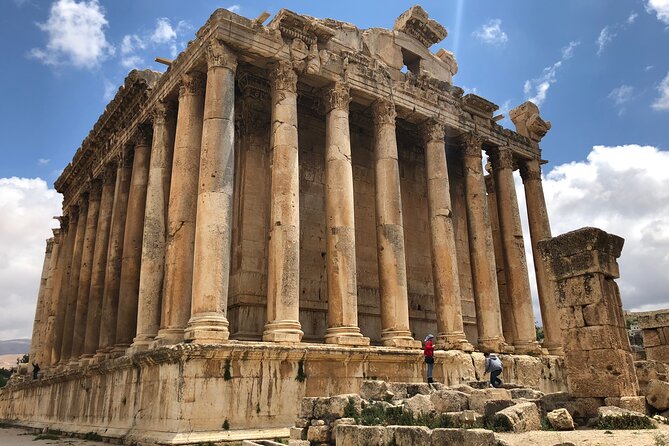
- Baalbek is the main event: See the Temple of Bacchus, Temple of Jupiter, Temple of Venus, and the massive Roman stones.
- Two wineries add a useful local contrast: Château Ksara dates to 1857, while Château St Thomas began in 1990.
- Hassan or Hassane may lead your day: Hassan is praised for clear information, courtesy, and help throughout the trip.
- Private transport keeps the long day comfortable: Hotel pickup and drop-off are included in an air-conditioned vehicle.
- Lunch is not included: Plan to pay separately, and confirm where the meal will fit into the day.
- Admission fees are extra: Baalbek temple admission and winery visits are not included in the $100 price.
Why this Beirut day trip works
Lebanon packs striking contrasts into a small area, and this outing uses that to its advantage. You begin in Beirut, ride toward Baalbek, walk among Roman temples, and finish with glasses of Lebanese wine in the Beqaa Valley.
That mix matters. A day devoted only to Baalbek would give you more time at the ruins, while a day devoted only to wine would offer a narrower view of the country. Here, you get a strong cultural anchor and a taste of one of Lebanon’s best-known wine regions.
The private format is especially useful. Only your group participates, and hotel pickup and drop-off remove the need to find a meeting point in Beirut. You also have an air-conditioned vehicle for the long road portion, a practical benefit during warm weather or after several hours on foot.
The tour costs $100 per person. That is reasonable if you value private transport, a professional guide, hotel service, and a full day away from Beirut. The value is less clear if you are mainly seeking a long, technical winery visit, since admission fees and lunch are extra and the timing at Château Ksara needs clarification.
More Lebanese winery tours in Beirut:
- Lebanon Wine Tasting Tour From Beirut
★ 4.5 · 25 reviews - PRIVATE Tour of Baalbek Temples, Umayyad Anjar & Ksara Winery
★ 5.0 · 12 reviews - Anjar, Baalbek & Ksara Winery
★ 5.0 · 11 reviews
Leaving Beirut for the Beqaa Valley
The listed start time is 8:30 am. Since the experience lasts about eight hours, you should expect most of the day to be committed to the excursion rather than treated as a short side trip.
Your guide and driver handle the route, and you travel in a private, air-conditioned vehicle. That gives you more breathing room than a large coach, especially if your group wants to ask questions or adjust the pace within the planned stops.
The road takes you toward Baalbek and the Beqaa Valley. The supplied details do not give a precise driving time, so I would not book another fixed activity in Beirut immediately afterward.
Hassan receives particularly strong praise for being courteous, helpful, and generous with information. The name Hassane also appears in connection with the service. Since guide assignments can vary, ask at booking who will lead your group and who will handle the winery portions.
Baalbek and the Roman temples
Baalbek is the reason to book this experience. The site was inscribed as a UNESCO World Heritage site in 1984, and its scale is difficult to grasp from photographs alone.
The city was known as Heliopolis during the Hellenistic period. Under Roman rule, the sanctuary drew pilgrims who came to honor a Romanized version of a Phoenician religious triad: Jupiter, Venus, and Bacchus.
The first Baalbek stop is listed at about 1 hour and 30 minutes, followed by another 1 hour and 30 minutes at the temple complex. That suggests a substantial visit, not a quick photograph from outside. You should have time to study the major structures and hear the story behind the site.
The Temple of Jupiter is famous for its enormous scale. The Temple of Bacchus is especially notable for its preservation and grand decoration. The Temple of Venus adds another part of the ancient religious complex, though the main focus is likely to remain on Jupiter and Bacchus.
A local guide at Baalbek is included, and strong praise is directed toward the guide’s explanations. This is important because the ruins are much easier to appreciate when you understand how the sacred complex functioned, how the three deities fit together, and why Roman builders worked on such a vast scale.
You should wear practical shoes and bring water. The supplied information does not specify the exact walking surface or shade, so prepare for time outdoors on an archaeological site. The altitude is about 1,150 meters, a detail that helps explain the cooler mountain setting compared with Beirut, though conditions can vary.
The Stone of the Pregnant Woman
The Stone of the Pregnant Woman is a short stop, listed at about 15 minutes. It is a worked Roman monolith near Baalbek, and together with another large block nearby, it ranks among the biggest stones ever quarried.
The name is memorable, but the engineering is the real point. These blocks were likely intended for the nearby Roman temple complex. They show the scale of construction that the ancient builders attempted, even when moving and placing such stones would have been a serious challenge.
Do not expect a separate long visit here. Fifteen minutes is enough for a look, photographs, and an explanation from your guide before moving on.
I like this stop because it gives you a physical link to the temple complex. At the main ruins, you see the finished result. At the stone, you see the raw material and the sheer ambition behind the project.
A few more Beirut trips to weigh up
- PRIVATE Wine Tasting Tour to the Bekaa Valey Fabulous Wineries
★ 5.0 · 7 reviews - Full-Day Private Wine Tasting Tour
★ 5.0 · 6 reviews - Journey Through Lebanese Wine: A Private Tour in the Beqaa Valley
★ 5.0 · 4 reviews - Baalbek, Anjar & Wine: A Journey Through Lebanon’s Heritage
★ 5.0 · 3 reviews
Château Ksara and Lebanon’s wine story
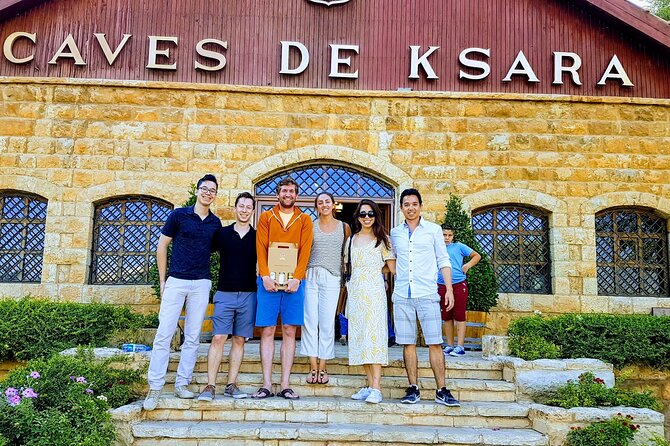
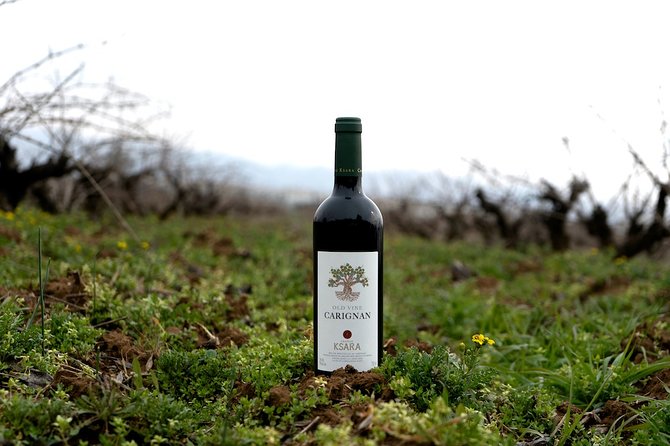
Château Ksara was founded in 1857 by Jesuit priests and developed Lebanon’s first dry wine. It now produces about three million bottles a year and exports to more than 40 countries.
That background makes Ksara more than a routine tasting stop. It connects wine production to Lebanon’s modern commercial history and to the long agricultural tradition of the Beqaa Valley.
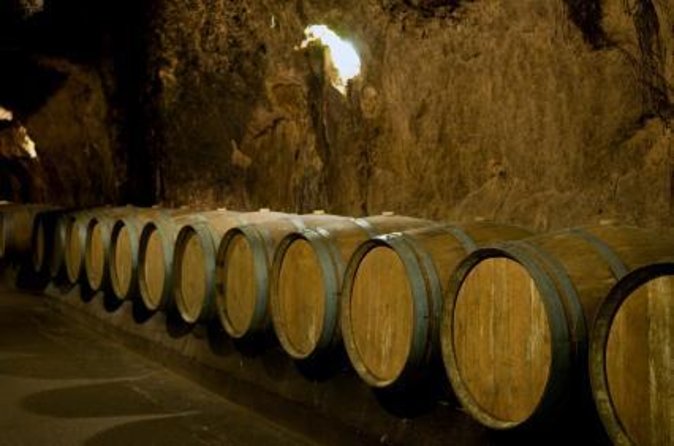
There is one practical issue here. The schedule assigns Château Ksara a one-minute duration, while the overall description promises visits to two wineries and wine tasting. A one-minute stop would not allow much of a cellar visit or tasting, so you should ask the operator to confirm how much time is actually planned at Ksara.
That clarification matters. If Ksara is a proper tasting and cellar visit, it strengthens the value of the tour. If it is mainly a brief exterior or transfer stop, Château St Thomas will carry more of the wine portion.
Admission to Château Ksara is not included. The price of any tasting or visit should be confirmed before departure.
Château St Thomas in the Beqaa Valley
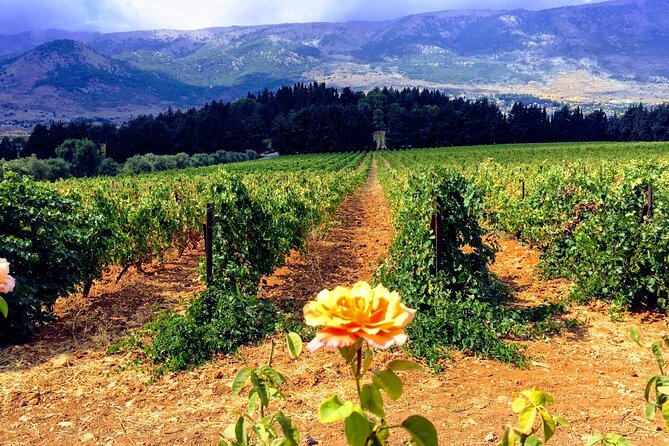
Château St Thomas was established in 1990 on a hill overlooking the Beqaa Valley. Its vineyards benefit from the fertile soil of the valley, according to the tour information.
The visit is listed at one hour, making it the clearest full winery stop on the schedule. You can expect this portion to provide the main chance to taste different Lebanese wines and learn about how the wine is made.
A useful detail from the strongest wine feedback is the role of the explanation. At Kefraya, the wine guide is praised for explaining the scientific process of making and tasting wine. Kefraya is not listed among the formal stops here, so do not assume it is part of this exact tour. Still, the point is worth carrying with you: ask about the grapes, fermentation, aging, and tasting method rather than treating the visit as a simple series of samples.
Château St Thomas also charges an admission or visit fee that is not included. Ask whether the listed $100 covers any tasting charges or only transportation and guiding.
The Beqaa Valley setting adds another layer to the visit. You are not tasting wine in isolation. You are visiting a productive agricultural area with vineyards on a hill above the valley, after seeing one of Lebanon’s most important ancient sites.
Lunch and the rhythm of the day
Lunch is not included in the tour price. That is normal for a long private day trip, but it affects your budget and schedule.
The tour information does not name a restaurant or set a lunch duration. One account specifically praises the place used for lunch, but you should still ask the operator where the meal will take place, what style of food is available, and whether the timing can suit your group.
Food is an important part of a Beqaa Valley day, yet you should not assume a meal is built into the $100 fee. Bring extra money, and tell the operator about any dietary needs before departure.
The day has several moving parts: the ride from Beirut, two Baalbek segments, the stone stop, winery visits, and lunch. A private vehicle helps, but this is still a full schedule. If you prefer slow museum visits or long tastings, you may find the pace tight.
What the $100 price really covers
For $100 per person, you receive private transportation, an air-conditioned vehicle, hotel pickup and drop-off, a tour leader, and a professional guide. The private setup is the biggest value point because your group is not combined with strangers.
The price also covers a broad mix of experiences in one day: Baalbek, the Stone of the Pregnant Woman, and two winery stops. For a small group that wants a simple door-to-door day, this can be a fair deal.
You need to add the costs of lunch, Baalbek admission, and winery admission or tasting fees. The tour offers group discounts, but no discount amounts are provided, so ask for the final per-person total before paying.
I would compare this with the cost of arranging a private driver, guide, and separate winery visits yourself. The tour saves you the work of coordinating those pieces. Its value depends on how much time the wineries actually receive, especially Château Ksara.
Who should book this experience
I would recommend this tour to you if you want Lebanon’s major Roman site and a first introduction to Lebanese wine in one day. It suits couples, families, and small groups that prefer private transport and hotel service.
It is also a good match if you want help with the historical side of Baalbek. Hassan is praised for giving detailed information, and the Baalbek guide is praised for clear explanations. That support can make the ruins far more meaningful than a quick walk without context.
Wine beginners should find the format approachable, especially if the guide explains the process and tasting method. You do not need to be an expert to enjoy the visit.
I would hesitate if your priority is a long, specialist wine tour. The schedule is unclear at Château Ksara, and the total time at each winery is not fully explained. I would also hesitate if you want a relaxed day with no extra costs, since lunch and admission fees are separate.
Booking, pickup, and cancellation details
Pickup and drop-off at your hotel are included, and the meeting time is 8:30 am. The activity is private, and most people can participate. It is also listed as being near public transportation, though that matters less when hotel pickup is provided.
You receive confirmation at booking, and a mobile ticket is available. Free cancellation applies when you cancel at least 24 hours before the local start time. A cancellation within 24 hours is not refunded, and changes within that period are not accepted.
Before booking, I would ask three direct questions: How long is the actual visit at Château Ksara? What admission and tasting fees will I pay locally? Where is lunch planned?
Should you book it?
Book this experience if you want a well-rounded day built around Baalbek’s monumental Roman ruins, with Lebanese wine added afterward. The private vehicle, hotel pickup, helpful guide service, and comfortable transport make the $100 price sensible for many small groups.
Ask for a firm explanation of the Château Ksara timing and all extra charges first. If the winery visits are properly scheduled, this is an appealing culture-and-wine day from Beirut. If Ksara really receives only a brief stop, book it mainly for Baalbek and Château St Thomas, not for an equal two-winery tasting tour.
FAQ
Where does the tour start?
The tour starts in Beirut, with hotel pickup included. The listed start time is 8:30 am.
How long does the experience last?
The full experience lasts approximately eight hours.
Is this a private tour?
Yes. Only your group participates in the activity.
What is included in the $100 price?
The price includes an air-conditioned vehicle, private transportation, a tour leader, hotel pickup and drop-off, and a professional guide.
Is lunch included?
No. Lunch is not included in the tour price.
Are Baalbek admission fees included?
No. Admission to the Baalbek temple complex is not included.
Are winery admission fees included?
No. Admission for Château Ksara and Château St Thomas is listed as not included. Confirm any tasting charges before departure.
Which wineries are visited?
The planned winery stops are Château Ksara and Château St Thomas in the Beqaa Valley.
Can I cancel for a full refund?
Yes, if you cancel at least 24 hours before the experience start time. Cancellations made within 24 hours are not refunded, and changes made within 24 hours are not accepted.
Just added around Beirut
- Journey Through Time: Half-Day Private Tour to Baalbek★ 5.0 · 3 reviews
- Small Group Tours to Jeita Grotto and Byblos with tickets★ 5.0 · 3 reviews
- Small-Group Tour with Lunch to Jeita Grotto, Byblos and Harissa★ 4.5 · 3 reviews
- Traveling Spoon Lebanese Mezze Private Online Cooking Class★ 5.0 · 4 reviews
- Beirut to Qadisha Valley, Bcharri & Cedar: Daily Tours with Lunch★ 4.5 · 3 reviews
- Small-Group Tour to Sidon, Tyre and Maghdouche with Lunch and Tickets★ 4.5 · 3 reviews
- Small-Group Tour with Lunch to Baalbek, Anjar and Ksara★ 5.0 · 3 reviews
- Guided Semi-Private Tour to Jeita, Harissa & Byblos★ 5.0 · 4 reviews
Lebanese Winery Tours, compared.
PRIVATE Tour of Baalbek Temples, Umayyad Anjar & Ksara Winery
Read our review →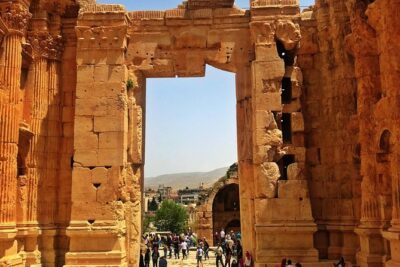
PRIVATE Wine Tasting Tour to the Bekaa Valey Fabulous Wineries
Read our review →
Lebanese wineries guided tour with tastings & lunch
Read our review →Browse the lists this tour appears in