
Reviewed · LEBANESE WINERY TOURS
Lebanon Wine Tasting Tour From Beirut
Lebanon’s Bekaa Valley has been making wine for thousands of years, and this eight-hour trip from Beirut gives you a practical introduction to that tradition without arranging a car, driver, and three separate winery visits. You’ll visit Chateau Heritage, Chateau Ksara, and Chateau Rayak, with tastings of red, white, and rosé wines built into the day.
I like the small-group format, which can make a long touring day feel more personal, and I like the mix of wine and history. You’ll hear about Phoenician trade, Roman influence, Jesuit winemaking, and Lebanon’s anise-flavored arak, not just grape varieties. Guide Robin has been especially praised for his humor, local knowledge, and clear explanations.
The main caution is that the experience may feel more like transport between winery visits than a deeply guided wine course. One account described it as a taxi transfer with tastings, so you should book this for a convenient introduction to Lebanese wine, not for an advanced sommelier-style lesson.
Key points at a glance
- Three wineries in one day: Visit Chateau Heritage, Lebanon’s oldest winery, and the family-run Chateau Rayak.
- Bekaa Valley context: Connect modern wine production with Phoenician, Roman, Jesuit, and Lebanese traditions.
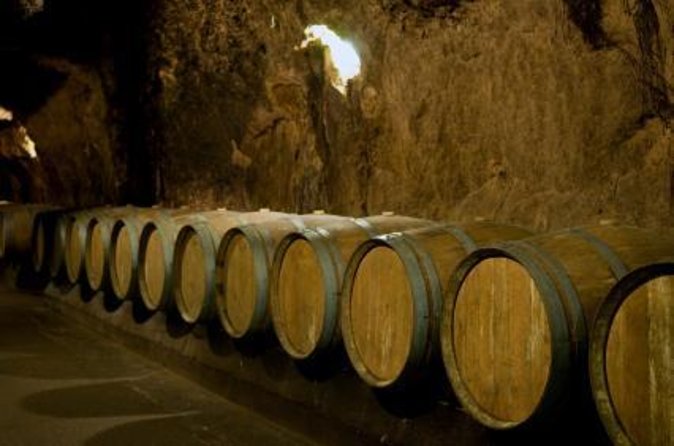
- Red, white, and rosé tastings: Chateau Ksara produces a broad range, including sweet and dry wines, as well as arak.
- Lunch in Zahle: The itinerary includes a one-hour stop at a local restaurant, with lunch at your own cost unless otherwise arranged.
- Round-trip Beirut transport: Hotel pickup and drop-off in a climate-controlled vehicle remove the need to plan regional transport.
- Small-group feel: The tour is promoted for groups of up to 10, while the additional booking information allows a maximum of 15, so confirm the expected group size before paying.
Why the Bekaa Valley makes a good wine day
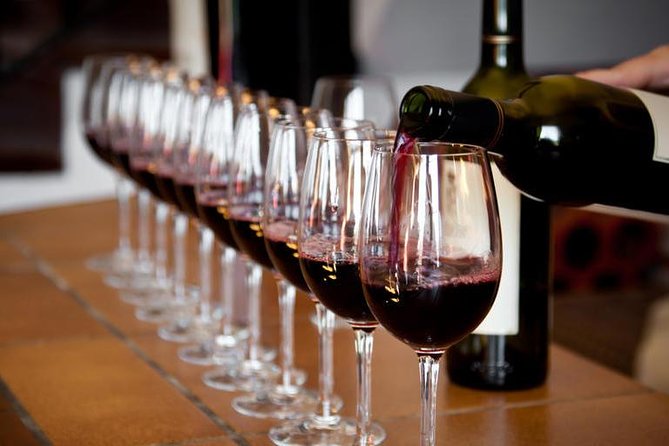
Lebanon’s wine story reaches far beyond modern labels. The region is tied to old Middle Eastern winemaking traditions, and local stories connect wine with figures and places such as Noah, Naboth, Christ, St. Paul, and the Roman temple complex at Baalbek.
You’ll also hear the theory that Phoenician merchants helped spread grape varieties toward Europe. That claim is part of the cultural backdrop rather than a technical lesson, but it gives the day a useful sense of place. You are not simply tasting wine made somewhere warm and scenic. You are looking at a product linked to Lebanon’s trade routes, religious traditions, agriculture, and national identity.
The Bekaa Valley is also a practical choice for a full-day outing from Beirut. The organized vehicle means you can taste wine without worrying about driving back to the capital. That matters here, since the trip lasts about eight hours and includes several stops.
More Lebanese winery tours in Beirut:
- PRIVATE Tour of Baalbek Temples, Umayyad Anjar & Ksara Winery
★ 5.0 · 12 reviews - Anjar, Baalbek & Ksara Winery
★ 5.0 · 11 reviews - PRIVATE Wine Tasting Tour to the Bekaa Valey Fabulous Wineries
★ 5.0 · 7 reviews
Leaving Beirut at 9:00 in the morning
The tour begins at 9:00 a.m. in Beirut, with pickup offered from your hotel. A climate-controlled vehicle is a welcome feature for a long day, especially when you are moving from the city to the wineries and back again.
The drive itself is part of the transition from urban Beirut to the Bekaa Valley, but the supplied details do not promise a formal sightseeing commentary during every mile. Your guide may explain the area and its past, as Robin has done for other groups, but I would not assume that every moment of the drive functions as a guided history lecture.
A small group can make a major difference. The experience is advertised with a limit of 10 people for more personal service, while the formal additional information lists a maximum of 15. That mismatch is worth checking before booking. If only two or three people are booked, the day can feel close to private. If the vehicle fills to 15, the experience will naturally feel more like a standard group excursion.
Chateau Heritage and Lebanon’s old wine traditions
The first winery is Chateau Heritage, located in Kab Elias in the Bekaa Valley. Its story begins in 1888, when the Touma family established one of Lebanon’s first wineries and distilleries.
The family produced both wine and Arak Touma. Arak is Lebanon’s national drink, a spirit associated with anise, and its presence helps show that local alcohol production is not limited to grape wine. At this stop, you can expect an introduction to the winery’s family background, its production story, and a tasting included with admission.
This is a useful opening stop because it places wine in a Lebanese setting right away. The focus is not only on imported techniques or modern bottling. You are seeing how a local family developed a wine and spirits business in a region with a long agricultural past.
Allow about one hour here. That is enough time for a guided introduction and tasting, but it is not a long cellar course. If you want technical detail about fermentation, barrel aging, or vineyard management, ask questions directly. The depth of the explanation may depend on the guide and the pace of the group.
Chateau Ksara, the country’s oldest winery
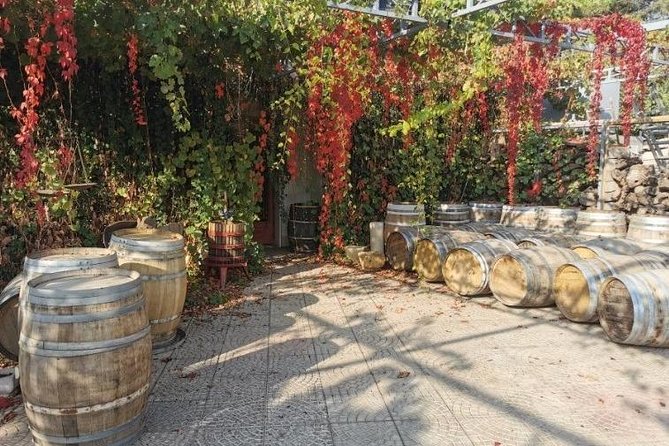
Chateau Ksara is the most historically prominent stop on the route. It began in 1857, when Jesuit fathers inherited and farmed a 25-hectare plot. Their aim was to produce Lebanon’s first non-sweet red wine, helping shape the modern Lebanese wine industry.
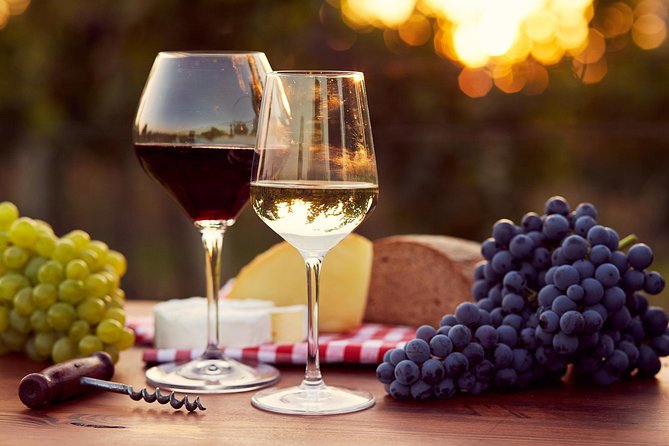
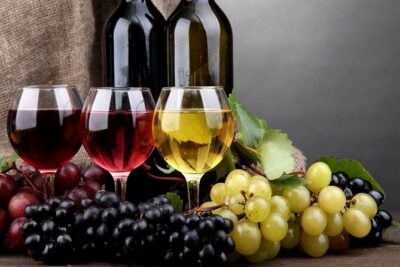
The name comes from ksar, meaning a fortress, a reference to the site’s Crusader-era connection. Today, the winery makes red, white, rosé, sweet, and dry wines, along with arak. That range makes this a particularly useful stop if your experience with Lebanese wine is limited to one style.
You’ll have a chance to compare how different wines express the same regional identity. Red wine may be the style most associated with Lebanon, but the white and rosé pours prevent the tasting from becoming repetitive. The inclusion of arak also gives you a way to compare grape-based wine with a distinctly Lebanese spirit.
The visit is scheduled for about one hour, with admission and tastings included. As at Chateau Heritage, do not expect an entire afternoon of private instruction. This is a quick, well-spaced introduction to a major producer, designed to fit three wineries into one day.
A few more Beirut trips to weigh up
- Full-Day Private Wine Tasting Tour
★ 5.0 · 6 reviews - Journey Through Lebanese Wine: A Private Tour in the Beqaa Valley
★ 5.0 · 4 reviews - Wine Tasting and Culture
★ 5.0 · 3 reviews - Baalbek, Anjar & Wine: A Journey Through Lebanon’s Heritage
★ 5.0 · 3 reviews
Lunch in Zahle breaks up the tastings
The itinerary includes a one-hour lunch stop in Zahle at a local restaurant. Lunch is listed as a free stop rather than an included meal, so plan to pay separately unless the operator tells you otherwise.
This pause is well placed. Three winery visits in one day can turn into a blur of glasses and tasting notes, and a proper meal gives you time to reset. Zahle also gives the schedule a town-based stop instead of keeping you inside wineries from morning until late afternoon.
The available details do not specify the restaurant, menu, or exact lunch price. I would ask your guide what food options are available and whether the stop is fixed or flexible. If you have dietary needs, confirm those before departure rather than assuming the restaurant can accommodate them.
Chateau Rayak brings a family touch
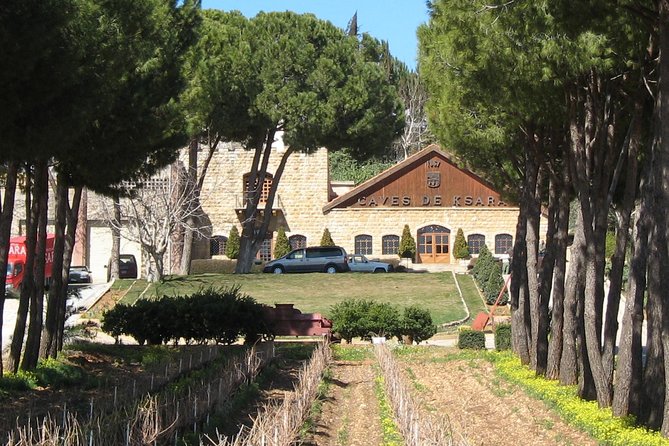
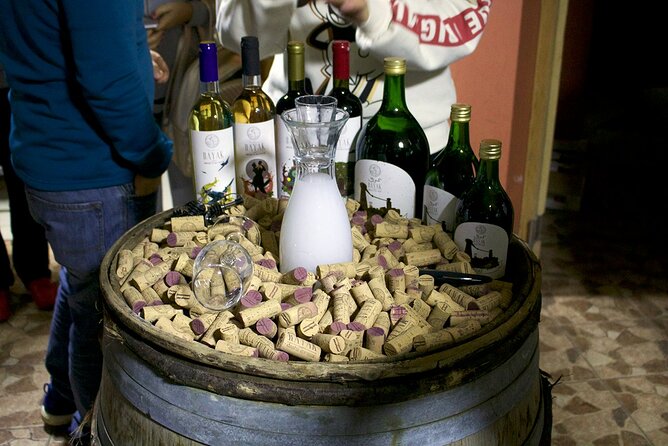
The final winery is Chateau Rayak, where a family combines traditional production methods with modern technology. The stated focus is on making several wines from grapes grown in the Bekaa Valley.
This stop receives the longest scheduled visit, at about two hours, and that gives it a different role in the day. You have more time for the production story, the family approach, and a fuller tasting. If you want the most relaxed part of the itinerary, this is likely to be it.
The contrast with Chateau Ksara is useful. Ksara introduces the country’s large-scale and historic wine identity, while Rayak presents a family operation balancing old methods with newer equipment. That comparison helps you understand that Lebanese wine is not one single product or style.
The final stop has also been singled out as a highlight by people who particularly enjoyed the full route. I would still keep expectations sensible: the tour description does not promise an extensive vineyard walk, barrel workshop, or private meeting with the winemaker. What you are getting is a longer winery visit with a focus on production and tasting.
What the guide adds to the day
The strongest guide feedback centers on Robin, who has been described as funny, informative, and helpful with both Lebanese history and wine. That combination matters because the route crosses two subjects that can easily be treated separately.
A good guide can explain why arak appears alongside wine, connect Chateau Ksara with Jesuit farming, and give you a clearer picture of the Bekaa Valley’s place in Lebanese life. Robin has also been noted for flexibility, including suggesting an extra stop when circumstances allowed.
Guide assignments can change. One booking had the organizer begin as the driver before a vehicle problem required another guide to take over, and that replacement guide was also described as excellent. The practical lesson is simple: expect the operator to manage the day, but do not assume a specific guide is guaranteed unless Zingy Ride confirms it.
Is $91.03 a fair price?
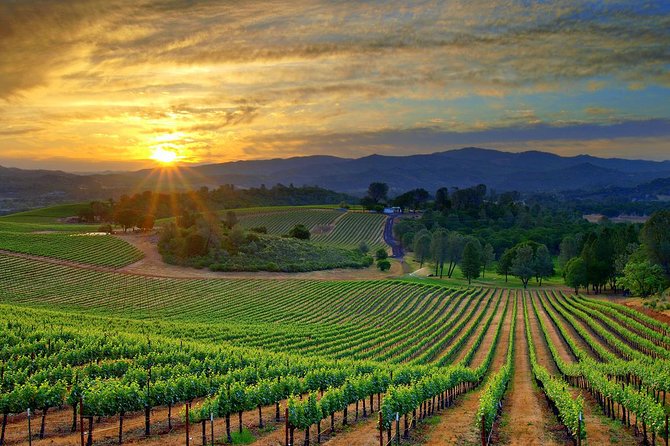
At $91.03 per person, the tour can be good value if you want transport, three winery visits, and a full day outside Beirut without building the route yourself. The tastings and winery admission are included, and hotel pickup and drop-off reduce the cost and hassle of arranging private transport.
The value is strongest for couples, solo visitors, or small groups who would otherwise need to hire a driver. It is also useful if you want to taste wine responsibly and avoid driving after several stops.
Lunch is not listed as included, so allow extra money for that. You should also remember that the price buys access and transport more than a formal wine education. If your priority is detailed vineyard science, long tastings, or a private sommelier, you may find the format too basic.
Group discounts are offered, which can improve the price for friends or families booking together. Since the group-size information gives both 10 and 15 as possible limits, ask how the discount works and how many people are expected on your date.
The main strengths and limitations
I like the route because it does not depend on one winery carrying the entire day. Chateau Heritage gives you a family story, Chateau Ksara supplies national scale and historical importance, and Chateau Rayak offers a longer look at traditional and modern production.
I also like the balance between tastings and non-wine time. The drive, lunch in Zahle, and historical commentary keep the day from becoming three identical tasting rooms in a row.
The limitation is the level of guiding. One sharply negative account described the day as a transfer service rather than a proper wine tour. You should take that concern seriously. The operator may provide a good guide, but the exact amount of explanation can vary, and the tour is not presented as a specialist wine seminar.
The schedule can also feel full. Each winery has a set time, and the trip must return to Beirut after the final stop. If you prefer to linger over one bottle, talk at length with producers, or shop without a clock, a private custom day may suit you better.
Who should book this Bekaa Valley tour?
I would recommend it to you if you are staying in Beirut and want an easy first look at Lebanese wine. It suits people who enjoy combining food, local culture, history, and tasting rather than focusing only on technical wine details.
It is also a good match for visitors who do not want to rent a car or negotiate regional transport. The included vehicle and hotel pickup make the day straightforward, while a guide such as Robin can add useful context along the way.
Couples and small groups may get the best experience, especially if the departure is lightly booked. Larger groups should confirm the vehicle size and expected head count.
I would be more cautious if your main goal is an intensive wine course. Ask before booking how much winery staff lead the tastings, how long you spend in production areas, and whether the guide provides structured notes on the wines.
Practical details before you book
The tour starts at 9:00 a.m. and ends back at the Beirut meeting point after roughly eight hours. Confirmation is sent when you book, and most people can participate.
Pickup is offered, but the information provided identifies Beirut as the start point rather than listing individual hotels. Confirm your exact pickup address and time in advance.
The tour is mobile-ticket friendly, and group discounts are available. Because the experience cannot be refunded or changed after booking, check your dates, hotel, and group size carefully before payment.
Should you book it?
Book this tour if you want a convenient, reasonably priced introduction to three Lebanese wineries and you value local history as much as the wine itself. The combination of Chateau Ksara’s national importance, Chateau Heritage’s family background, and Chateau Rayak’s longer final visit gives you a useful range in one day.
Skip it if you want a private, highly technical wine experience or plenty of unstructured time. For everyone else, especially first-time visitors based in Beirut, the route offers a sensible way to reach the Bekaa Valley without taking on the driving and planning yourself.
FAQ
How long does the Lebanon wine tasting tour last?
The tour lasts approximately eight hours, beginning at 9:00 a.m. and ending back at the Beirut meeting point.
Which wineries does the tour visit?
The route visits Chateau Heritage, Chateau Ksara, and Chateau Rayak in the Bekaa Valley.
Are wine tastings included?
Yes. Included tastings cover red, rosé, and white wines. Chateau Ksara also produces sweet and dry wines and arak.
Is lunch included in the price?
The itinerary includes a one-hour lunch stop at a local restaurant in Zahle, but lunch itself is not listed as included. Plan to pay separately.
Does the tour include hotel pickup?
Yes. Pickup and drop-off at your hotel are offered, with Beirut listed as the starting and ending location.
How many people can join the tour?
The experience highlights a group size limited to 10 for personalized service. The additional information lists a maximum of 15 travelers, so confirm the expected group size when booking.
Just added around Beirut
- Journey Through Time: Half-Day Private Tour to Baalbek★ 5.0 · 3 reviews
- Small Group Tours to Jeita Grotto and Byblos with tickets★ 5.0 · 3 reviews
- Wine Tasting and Culture★ 5.0 · 3 reviews
- Small-Group Tour with Lunch to Jeita Grotto, Byblos and Harissa★ 4.5 · 3 reviews
- Traveling Spoon Lebanese Mezze Private Online Cooking Class★ 5.0 · 4 reviews
- Beirut to Qadisha Valley, Bcharri & Cedar: Daily Tours with Lunch★ 4.5 · 3 reviews
- Small-Group Tour to Sidon, Tyre and Maghdouche with Lunch and Tickets★ 4.5 · 3 reviews
- Small-Group Tour with Lunch to Baalbek, Anjar and Ksara★ 5.0 · 3 reviews
Lebanese Winery Tours, compared.
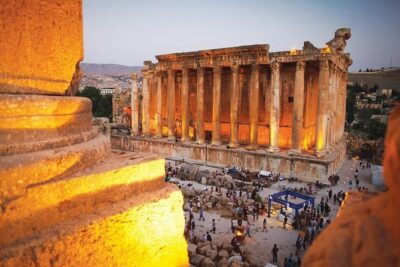
PRIVATE Tour of Baalbek Temples, Umayyad Anjar & Ksara Winery
Read our review →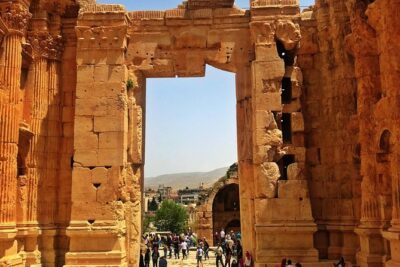
PRIVATE Wine Tasting Tour to the Bekaa Valey Fabulous Wineries
Read our review →
Lebanese wineries guided tour with tastings & lunch
Read our review →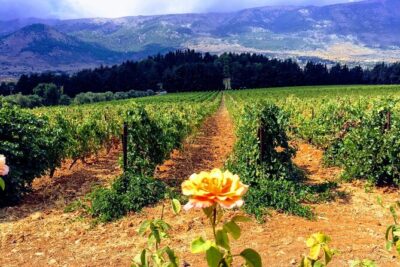
Browse the lists this tour appears in