
Reviewed · LEBANESE WINERY TOURS
Lebanese wineries guided tour with tastings & lunch
Lebanon’s Bekaa Valley produces wine in old caves, modern cellars, and family-run estates, and this private day tour gives you a broad taste of that world without arranging several separate visits. You’ll sample red, white, and rosé wines, then add Lebanese arak and local craft beer to the glass.
I like the hotel pickup and drop-off, which makes a full tasting day easier and safer from Beirut. I also like the mix of winery tours, cellar visits, and a Lebanese lunch, rather than a string of tastings with no food or local context.
The main point to check is the exact route. The supplied details name Chateau Kefraya, Chateau Rayak, and Château St Thomas, while other descriptions mention Chateau Ksara, Phoenix, Ixcyr, and Colonel Brewery. Confirm the final stops before paying.
Key points to know before you book
- Bekaa Valley in one day: Leave Beirut for Lebanon’s main wine-producing area and return the same day.
- Three guided tasting stops: The planned program includes roughly 1.5 hours at Kefraya, one hour at Rayak, and one hour at Château St Thomas.
- More than wine: Tastings can include Lebanese arak, known locally as white milk, and craft beer.
- Lunch is included: A traditional Lebanese meal breaks up the tasting schedule.
- Private English-speaking tour: You have a private group, live guide, and transportation from your Beirut hotel.
- A route worth confirming: Winery names differ across the supplied information, so ask for the final schedule.
From Beirut to Lebanon’s wine country
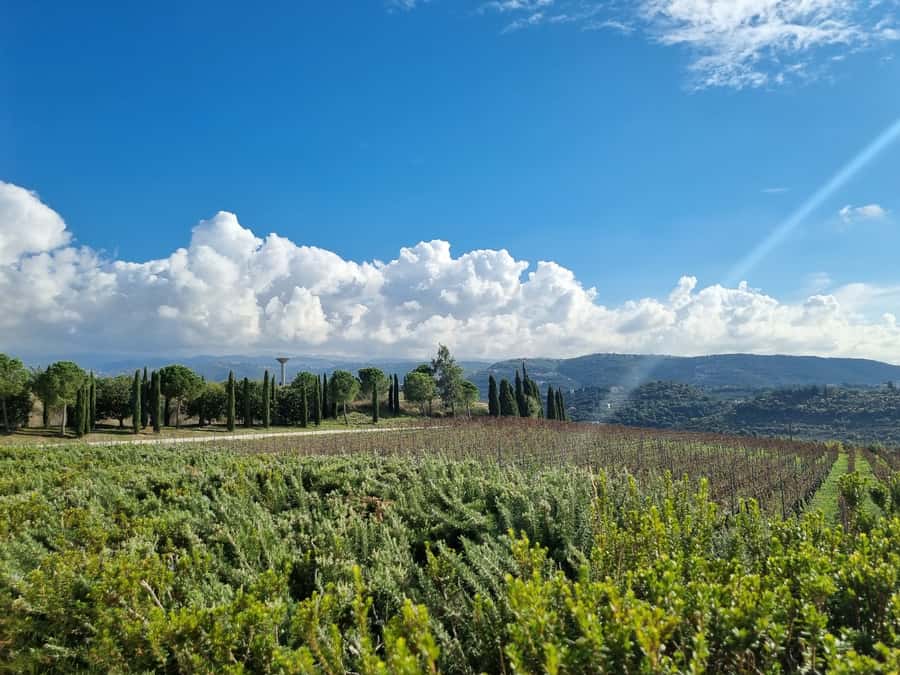
This is a full-day outing from Beirut to the Bekaa Valley, an inland agricultural area linked with Lebanon’s wine production. The tour is designed for you to leave the driving to someone else, visit several producers, and return to Beirut without changing hotels or managing separate reservations.
That matters in Lebanon. A day built around wine tastings is much easier when you are not trying to navigate between distant estates or decide who will drive afterward. Hotel pickup and drop-off are included, and the experience is offered as a private group with an English-speaking guide.
You should expect the day to feel like a combination of cultural outing, winery tour, and long lunch. The focus is not only on drinking wine. You’ll hear about generations of winemakers, see production spaces, and learn how Lebanese producers connect modern bottles with a very old local tradition.
Lebanon is considered one of the oldest wine-producing areas in the world. The Phoenicians helped spread grape growing and wine production around the Mediterranean in ancient times. That background gives the tasting stops more meaning, especially if you are interested in how wine moved through the region long before today’s international wine trade.
The modern industry is much smaller than those ancient claims might suggest, but it has grown quickly. Lebanon produced about 600,000 cases of wine annually, and the number of wineries increased from five in 1998 to more than 30. This tour gives you a practical introduction to that recent growth.
More Lebanese winery tours in Beirut:
- Lebanon Wine Tasting Tour From Beirut
★ 4.5 · 25 reviews - PRIVATE Tour of Baalbek Temples, Umayyad Anjar & Ksara Winery
★ 5.0 · 12 reviews - Anjar, Baalbek & Ksara Winery
★ 5.0 · 11 reviews
Chateau Kefraya and the first tasting
The planned first winery stop is Chateau Kefraya, with about 1.5 hours for a guided visit and tasting. That is the longest winery visit in the published schedule, so it should give you enough time to settle into the day rather than rush from one glass to the next.
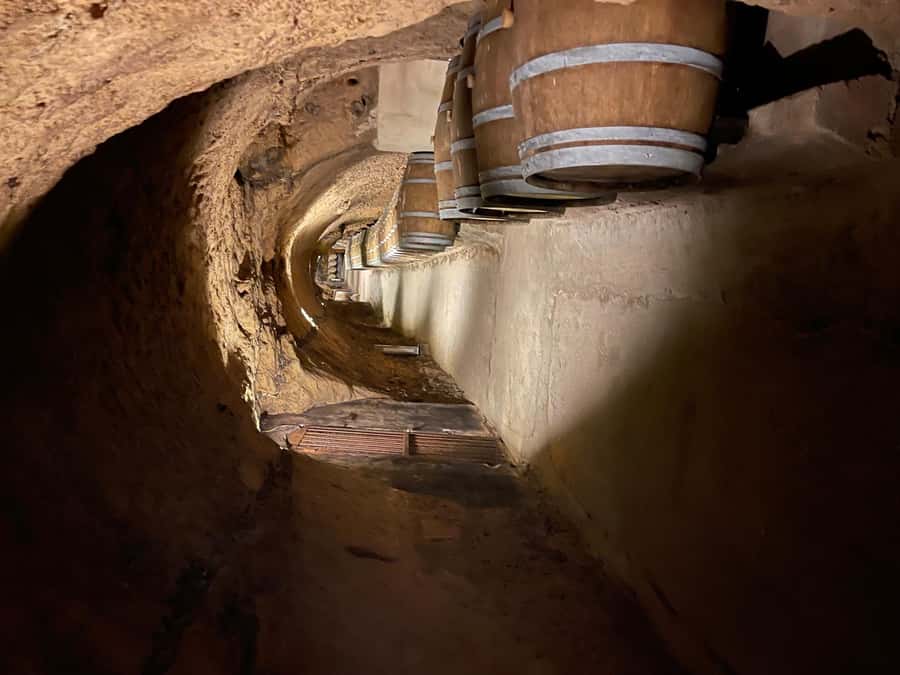
A guided tour here is meant to show you more than the tasting room. You may see vineyard or cellar areas, depending on the day’s operating plan, and hear how the winery handles the path from grapes to finished bottles. The supplied description specifically highlights guided visits inside caves and vineyards, which is useful context for understanding Lebanon’s wine-making character.
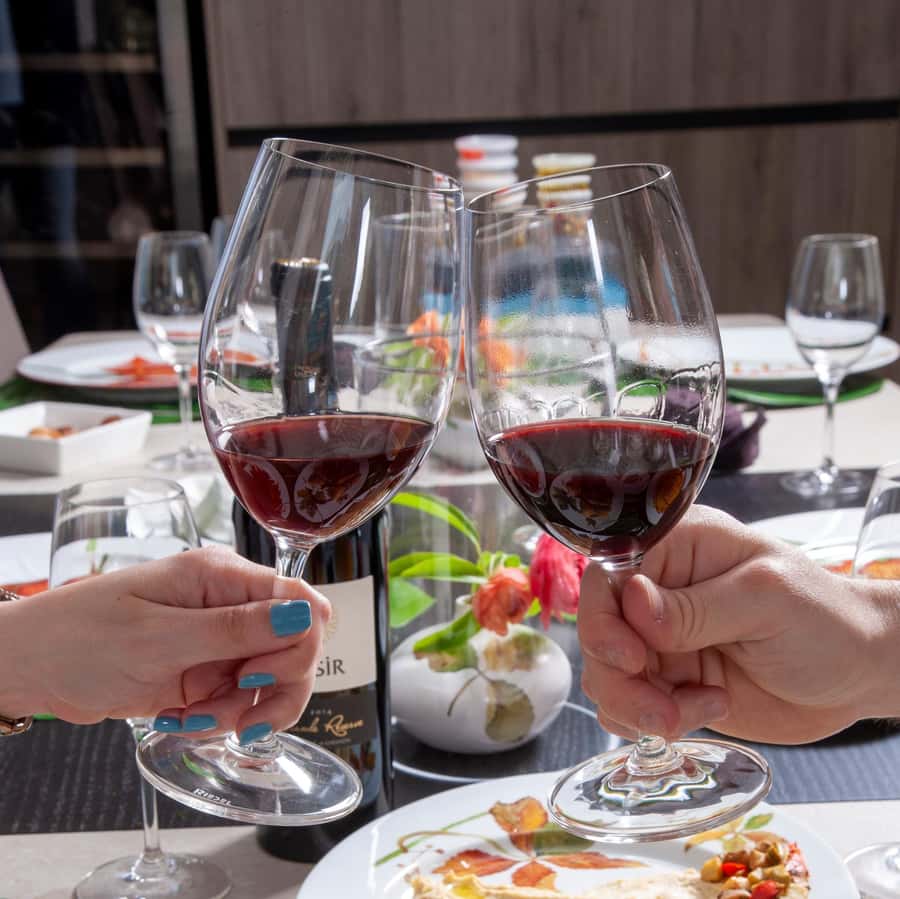
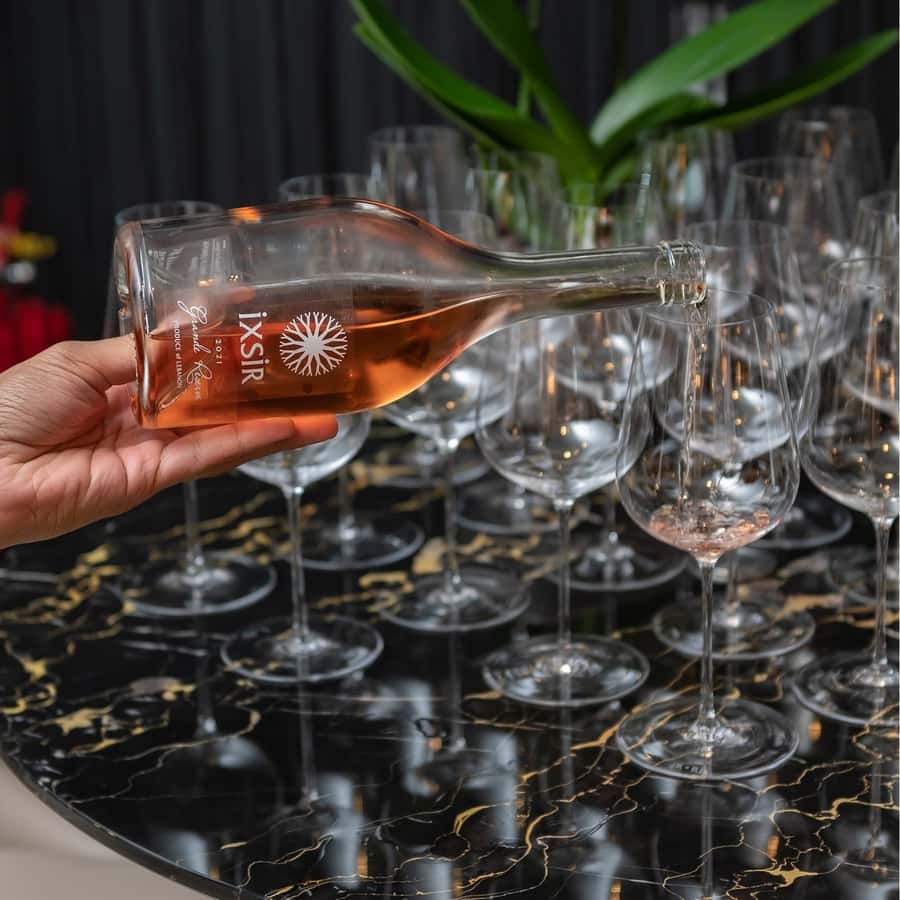
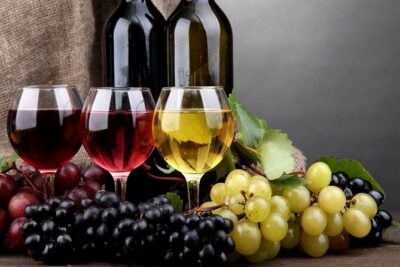
The tasting includes different styles of Lebanese wine, including red, white, and rosé. If you are new to Lebanese wine, this first stop is a good place to compare styles before your palate gets tired. Take small sips, drink water, and use lunch as a proper break rather than treating it as an afterthought.
Kefraya is described among the best-known wineries in the country. That makes it a useful anchor for the day, though it also means the visit may feel more polished and organized than a small family producer. If you prefer intimate cellar visits, pay attention to the smaller stops later in the schedule.
Chateau Rayak and a shorter cellar visit
The next planned stop is Chateau Rayak, with about one hour for a guided tour and tasting. Compared with Kefraya, this is a shorter visit, so you should expect a compact introduction rather than a long appointment with time for every question.
The value here is comparison. Wine can taste very different from one producer to the next even when the tasting format looks similar. Visiting more than one estate lets you compare production styles, presentation, and the way each winery explains its place in Lebanon’s wine industry.
The itinerary also refers to other possible winery names, including Chateau Ksara, Phoenix, and Ixcyr. One supplied account describes Phoenix as a small winery where the presentation was delivered with passion, while Ixcyr was described as a large wine house in an impressive building. Those details suggest that the route may change depending on the operating schedule or the version of the tour being sold.
That is not a minor detail. A small producer and a large estate offer very different experiences. If you want historic caves, ask if Chateau Ksara is included. If you want a smaller, more personal stop, ask about Phoenix. If grand buildings and a large-scale winery appeal to you, ask whether Ixcyr is on the final route.
Lunch in the Bekaa Valley
A traditional Lebanese lunch is included and is scheduled for about one hour at a local restaurant. This is an important part of the day because food gives you time to pause between tastings and experience a part of Lebanese culture beyond the wineries.
The meal is also meant to support the afternoon tastings. A day involving several wine samples, arak, and beer should not be treated like a quick snack stop. The supplied information does not specify the restaurant, menu, or whether drinks beyond the tasting program are included, so ask for those details if they matter to you.
There is one practical warning here. One account of the experience found that lunch did not take place at a winery, even though a winery restaurant was available. If you had pictured a vineyard meal, keep your expectations flexible and confirm the lunch location.
A local restaurant can still be a good choice. It places the meal in an ordinary Lebanese setting rather than making it part of a polished winery package. The tradeoff is that the atmosphere and menu may be less tied to the vineyards.
A few more Beirut trips to weigh up
- Guided Small-Group Tour to Baalbek, Anjar and Ksara with Lunch
★ 5.0 · 511 reviews - Guided Small-Group Tour to Jeita, Harissa, Byblos with Lunch
★ 5.0 · 361 reviews - Anjar, Baalbek & Ksara Day Trip – With Lunch (4G on Board)
★ 4.5 · 181 reviews - Byblos, Jeita Grotto & Harissa Day Trip -With Lunch (4G on Board)
★ 4.5 · 145 reviews
Château St Thomas and the final tasting
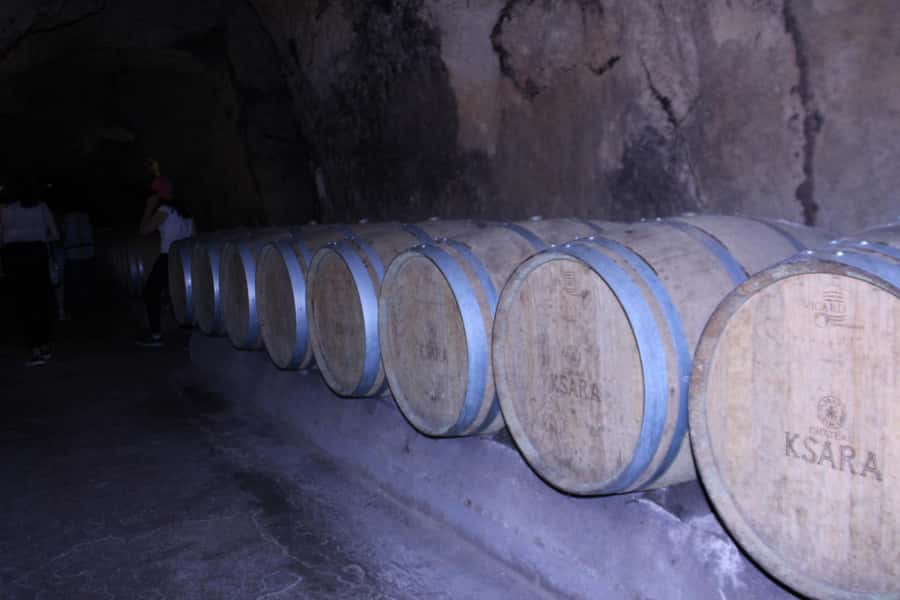
The listed final winery visit is Château St Thomas, with about one hour for a guided tour and tasting. By this point, you’ll have already seen at least two producers, so this stop works best as a final comparison rather than a first introduction.
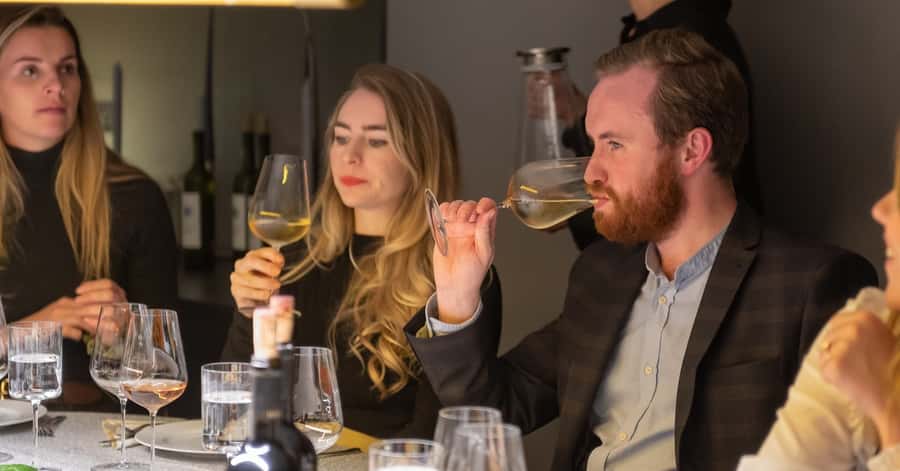
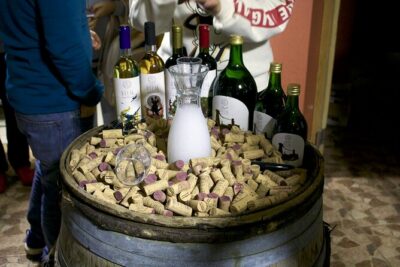
The schedule includes red, white, and rosé wines across the day. You may also taste Lebanese arak, the clear grape spirit often called white milk, and craft beer. Arak is not simply another wine. It is a strong anise-flavored spirit, traditionally associated with Lebanese meals, and it changes the pace of the tasting considerably.
The craft beer element is linked with a brewery visit in the supplied information. One account describes Colonel Brewery as a well-designed overall concept, making it a welcome change from the winery stops. The exact brewery placement is not clearly listed in the step-by-step schedule, so confirm whether it is part of your route and how much time is reserved for it.
Château St Thomas gives you one more chance to ask focused questions. By then, you can compare how different wineries present Lebanon’s wine story, how the tastings are structured, and which styles you prefer. If you are buying bottles, wait until you have completed the full route unless the guide advises otherwise.
Caves, vineyards, and the story behind Lebanese wine
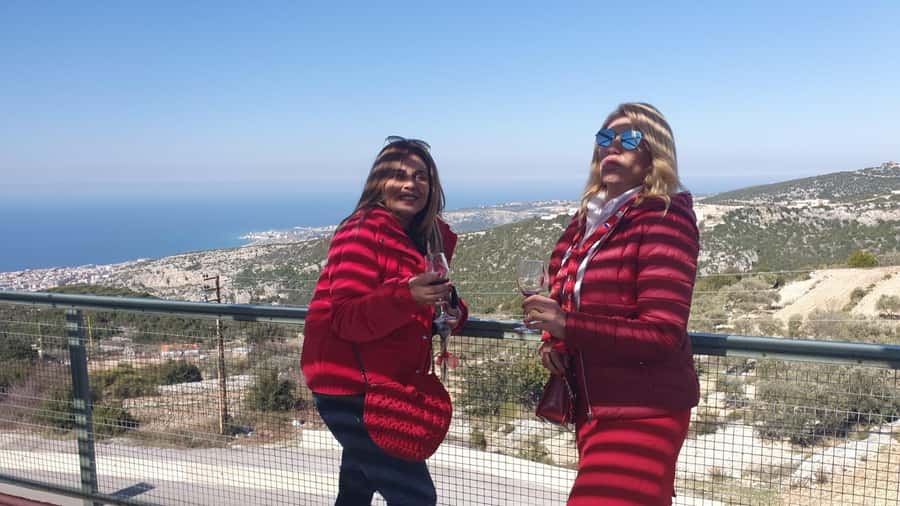
The tour’s most interesting feature is its connection between place and production. Wine tasting alone can be pleasant, but a cellar or vineyard visit explains why Lebanese wine has its own identity.
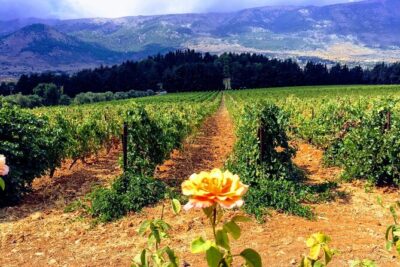
The Bekaa Valley is the center of this experience. You are not visiting random shops in Beirut. You are heading inland to an area associated with vineyards and major wineries. The cave visits are especially useful because they show how underground spaces can form part of a winery’s character and presentation.
Lebanon’s wine industry has had to continue through periods of regional conflict and economic pressure. The country still produces about 600,000 cases a year, and the growth from five wineries in 1998 to more than 30 today shows how quickly the modern sector has expanded.
You should not expect a museum-style history lesson at every stop. The tour is built around visits and tastings, not a dedicated academic lecture. Still, the guide can connect the wines to Phoenician trade, local farming, and the work of more recent winemaking families.
That balance suits you if you want history in manageable portions. If your main goal is a detailed technical study of grapes, fermentation, and aging, you may find the one-hour stops too brief.
How the private format changes the day
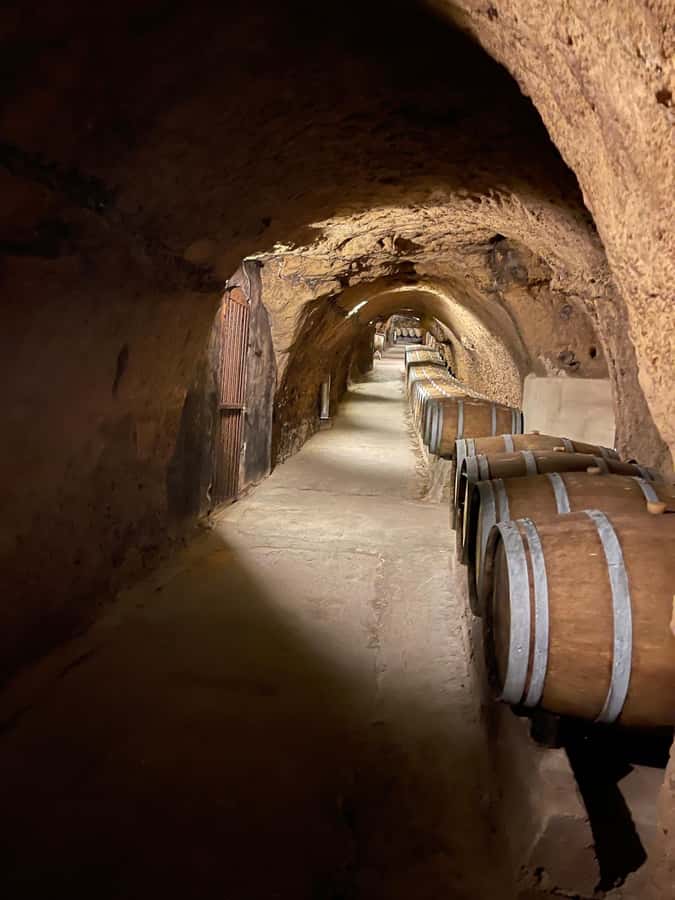
The private group format is a real advantage. You are not sharing the vehicle with a large mixed party, and the guide can adjust the conversation to your interests more easily than on a crowded group excursion.
The available feedback gives the driver particular credit for being an excellent guide to Beirut and for pointing out sights along the road. That suggests the transportation portion can add local orientation rather than feeling like a silent transfer between tasting rooms.
No individual guide name is provided, so you should not book this expecting a particular named host. The confirmed language is English. If you need another language, ask before booking because no other language is specified.
The private format also helps with pacing, but it does not remove the time limits. The planned visits add up to about 3.5 hours before lunch, travel time, and any brewery stop. This is a long day, and the route may feel busy if every stop runs to schedule.
Wheelchair access is listed, which is useful for many visitors, but winery caves and vineyard areas can have different surfaces or routes. Ask the provider how each individual stop handles access if that is important for your group.
Is $140 a fair price?
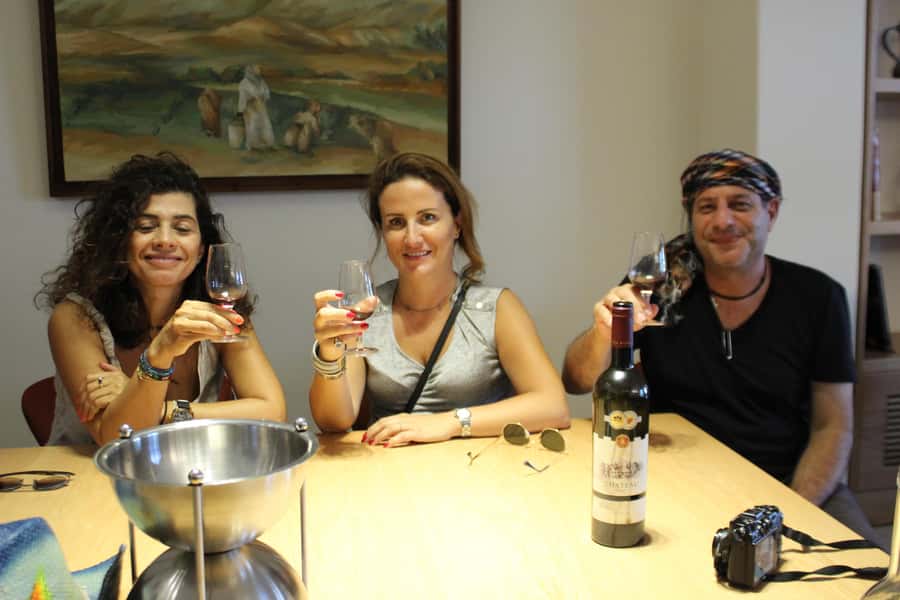
The price is $140 per person. That includes hotel pickup and drop-off, winery admissions, brewery admission, wine tastings, and Lebanese lunch.
For a private full-day trip from Beirut, that package can offer solid value. You are paying for transport, several guided visits, multiple tastings, food, and the convenience of not arranging the route yourself. The price becomes more attractive if you are traveling with others and can share the private vehicle.
Value depends heavily on the final route. Three substantial winery visits plus a brewery and lunch make $140 easier to justify than a day with only two brief tastings. Ask for the confirmed winery names, brewery inclusion, lunch location, and approximate departure and return times before you book.
The price does not appear to include every possible food or drink purchase beyond the arranged tastings and lunch. If you hope to buy bottles, budget separately. The supplied details also do not state the size of the tasting pours or the number of wines, so do not assume an unlimited tasting session.
Who will enjoy this day most?
I would recommend this tour to you if you are staying in Beirut and want a simple way to reach the Bekaa Valley. It suits people who enjoy wine but also want food, scenery along the route, and a bit of Lebanese cultural context.
It is especially useful for first-time visitors. You can sample several producers in one day and gain enough background to decide if you want to return to a particular winery or explore more of Lebanon’s wine region.
The tour also works well for small private groups with mixed interests. One person can focus on wine, another on caves and architecture, and another on craft beer or arak. The English-speaking guide and private vehicle make that combination easier.
You may want a different plan if you prefer a slow, single-estate visit. Three wineries, a possible brewery, lunch, and the drive from Beirut create a packed schedule. You should also think twice if you do not drink alcohol, since tastings are central to the experience, although the cultural and food elements still add value.
What to confirm before booking
The route needs special attention because the supplied information contains two different versions. One lists Chateau Kefraya, Chateau Rayak, and Château St Thomas. Another names Chateau Ksara, Phoenix, Ixcyr, and Colonel Brewery.
Ask these questions before you commit:
- Which wineries are confirmed for your date?
- Is Chateau Ksara included, or is Kefraya the first stop?
- Is the brewery visit included in the same day?
- Where will lunch take place?
- How many wine samples are included?
- What are the planned pickup and return times?
These questions do not take long, and the answers will tell you what kind of day you are actually buying. The tour remains appealing, but the identity of the stops affects the experience more than the headline description suggests.
Should you book the Lebanese wineries tour?
Book it if you want an easy, private introduction to Lebanese wine country with transportation, tastings, lunch, and several different stops handled for you. The strongest features are the English-speaking guide, private format, Bekaa Valley setting, and mix of wine, arak, and craft beer.
I would not book without confirming the winery sequence. The route information differs, and lunch may be at a local restaurant rather than at a winery. Once those points are clear, the $140 price is reasonable for a full day that combines access, transport, food, and a broad taste of Lebanon’s growing wine industry.
FAQ
Where does the Lebanese wineries tour begin?
Pickup is provided from Beirut, with hotel pickup and drop-off included.
How long does the experience last?
The activity is valid for one day. The listed winery visits take about 3.5 hours in total, before travel, lunch, and any brewery visit.
Which wineries are included?
The step-by-step schedule lists Chateau Kefraya, Chateau Rayak, and Château St Thomas. Other supplied details mention Chateau Ksara, Phoenix, and Ixcyr, so confirm the final route before booking.
Is lunch included?
Yes. A traditional Lebanese lunch is included, with about one hour scheduled for the meal.
Is a brewery visit included?
Brewery admission is included in the tour details, and Colonel Brewery is mentioned in the experience information. The exact timing and route placement should be confirmed.
What drinks are included in the tastings?
The experience includes wine tastings, with red, white, and rosé wines. It also highlights Lebanese arak and Lebanese craft beer.
Is the tour private?
Yes. It is offered as a private group experience with a live English-speaking guide.
Is the tour wheelchair accessible?
Yes, the activity is listed as wheelchair accessible. You should still confirm access conditions at individual caves, vineyards, and winery sites.
Can you cancel for a full refund?
Yes. You can cancel up to 24 hours in advance for a full refund, according to the supplied booking conditions.
Just added around Beirut
- Journey Through Time: Half-Day Private Tour to Baalbek★ 5.0 · 3 reviews
- Small Group Tours to Jeita Grotto and Byblos with tickets★ 5.0 · 3 reviews
- Wine Tasting and Culture★ 5.0 · 3 reviews
- Small-Group Tour with Lunch to Jeita Grotto, Byblos and Harissa★ 4.5 · 3 reviews
- Traveling Spoon Lebanese Mezze Private Online Cooking Class★ 5.0 · 4 reviews
- Beirut to Qadisha Valley, Bcharri & Cedar: Daily Tours with Lunch★ 4.5 · 3 reviews
- Small-Group Tour to Sidon, Tyre and Maghdouche with Lunch and Tickets★ 4.5 · 3 reviews
- Small-Group Tour with Lunch to Baalbek, Anjar and Ksara★ 5.0 · 3 reviews
Lebanese Winery Tours, compared.
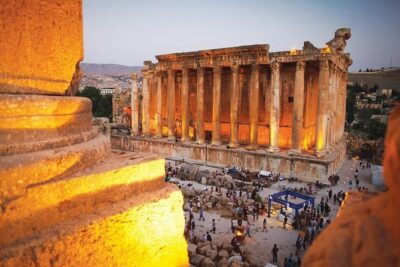
PRIVATE Tour of Baalbek Temples, Umayyad Anjar & Ksara Winery
Read our review →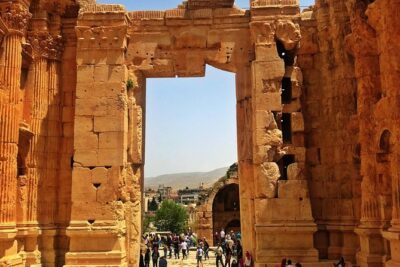
PRIVATE Wine Tasting Tour to the Bekaa Valey Fabulous Wineries
Read our review →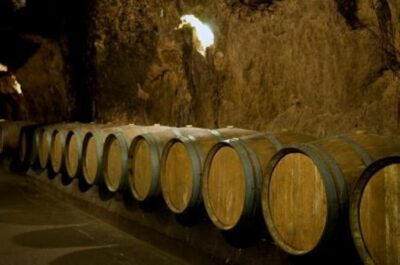
Browse the lists this tour appears in