
Reviewed · BAALBEK AND ANJAR TOURS
Guided Small-Group Tour to Baalbek, Anjar and Ksara with Lunch
Baalbek is the star here: a vast Roman sanctuary where the Temple of Bacchus remains remarkably complete, and the broken columns of the Temple of Jupiter hint at an almost absurd scale. Add the Umayyad city of Anjar, a Lebanese lunch, and a winery, and you get a full day far beyond Beirut’s usual city sights.
I like two things in particular. First, you avoid the strain of driving into the Bekaa Valley, with a driver handling the road while you watch the scenery. Second, the site visits can include local archaeologists, giving Baalbek and Anjar more meaning than a quick walk among old stones. The small group, capped at 15, also helps.
The main drawback is the pace. Nine hours is a long day, and Baalbek involves walking outdoors with limited shade. You should also check the final cost of site admission and wine tasting, since those are not fully covered by the $65 price.
Key points to know before booking
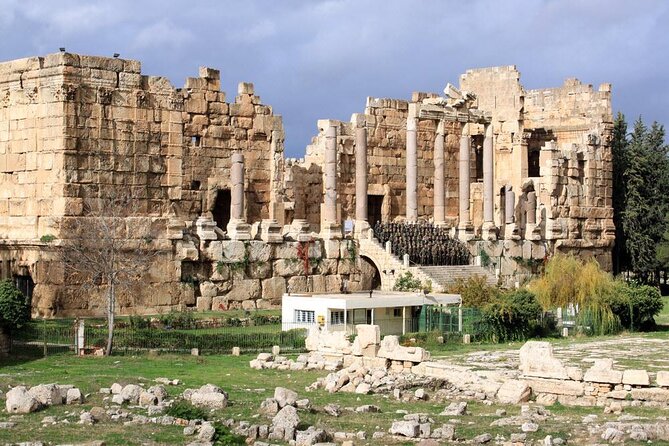
- Baalbek gets the most time: Plan on roughly three hours around the city and temple complex, enough to see the major structures without racing.
- Anjar shows a different Lebanon: Its neat Umayyad street plan and palace ruins contrast sharply with Baalbek’s monumental Roman temples.
- Lunch is part of the value: A Lebanese meal is included, though food and service can vary at the restaurant.
- Local archaeological guides may lead the site visits: This is especially useful at Baalbek, where scale and symbolism are hard to grasp alone.
- Hotel pickup simplifies a long day: Round-trip transfers from central Beirut hotels are included in an air-conditioned vehicle.
- The $65 price is attractive but not all-inclusive: Budget separately for entrance charges where required and for the optional wine tasting.
Leaving Beirut for the Bekaa Valley
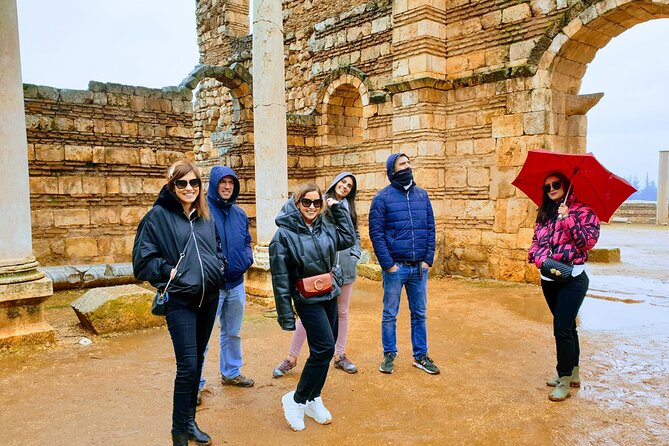
The tour begins at about 8:30 a.m. with pickup from a central Beirut hotel. That early start matters. Baalbek and Anjar are not quick side trips, so a morning departure leaves room for the ruins, lunch, and Chateau Ksara before returning to Beirut.
You ride in an air-conditioned vehicle with a designated driver, tour leader, and guide. That is a sensible choice for this route. You can focus on the changing views and listen to explanations instead of dealing with directions and parking.
The drive also gives your guide time to explain the places you pass and set the day in context. Albert, Hassan, Alfred, Mariana, and Hassane are among the guides praised for clear communication, humor, patience, and local insight. Your guide will depend on the departure date, so do not book on the assumption that one particular person is guaranteed.
A group limit of 15 is a useful middle ground. You get the efficiency of a shared tour without the feel of a large coach excursion. The exact group may be smaller, and some departures have operated almost like private tours when demand was low.
More Baalbek and Anjar tours in Beirut:
- Anjar, Baalbek & Ksara Day Trip – With Lunch (4G on Board)
★ 4.5 · 181 reviews - Baalbek – Anjar – Ksara Trip From Beirut
★ 4.5 · 80 reviews - Private Anjar and Baalbek Tour from Beirut with Departure Ticket
★ 5.0 · 79 reviews
Baalbek and the scale of Roman ambition
Baalbek is the reason many people choose this excursion. At about 1,150 meters, the ancient sanctuary sits at the foot of the Anti-Lebanon range beside the Bekaa plain. Its setting is impressive, but the architecture is what makes the visit unforgettable.
The site was known as Heliopolis during the Hellenistic period and later became a major Roman religious center. Pilgrims came to worship the Heliopolitan Triad: Jupiter, Venus, and Bacchus. Earlier Phoenician religious traditions shaped this cult, so the ruins reflect several layers of the region’s past rather than a single Roman story.
You should expect about an hour and a half in Baalbek itself, followed by about another hour and a half around the temple complex. The schedule gives you time to look carefully, take photographs, and hear the story behind the stones.
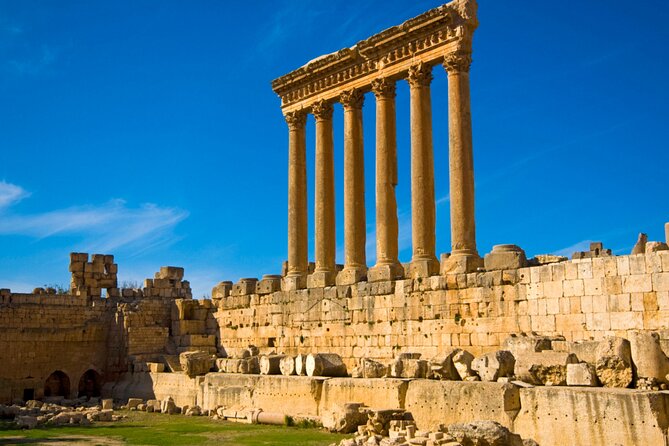
The Temple of Bacchus is the most complete major building. Its carved columns, doorway, and interior details make it easier to imagine the sanctuary as an active place of worship. The Temple of Jupiter is less intact, but its surviving columns and foundations show the enormous ambition of the builders.
This is where a strong guide makes a real difference. Without explanation, Baalbek can seem like a collection of enormous blocks. With an archaeologist or skilled local guide, you begin to see the original plan, the religious function, and the engineering problems behind the construction.
You may also stop at the Mosque of Sayyida Khawla in Baalbek. It is associated with Sayyida Khawla, believed by local people to be the daughter of Imam al-Hussein, grandson of the Prophet Muhammad. The site adds a living religious layer to the ancient city and reminds you that Baalbek is not simply an archaeological park.
Bring comfortable shoes, water, and sun protection. The walking is manageable for most people, but summer heat can make the open areas tiring. One useful advantage of a private driver and guide is flexibility for photographs and short pauses. Hassan, for example, has been praised for waiting while someone took extra pictures.
Anjar, the Umayyad city with a Roman look
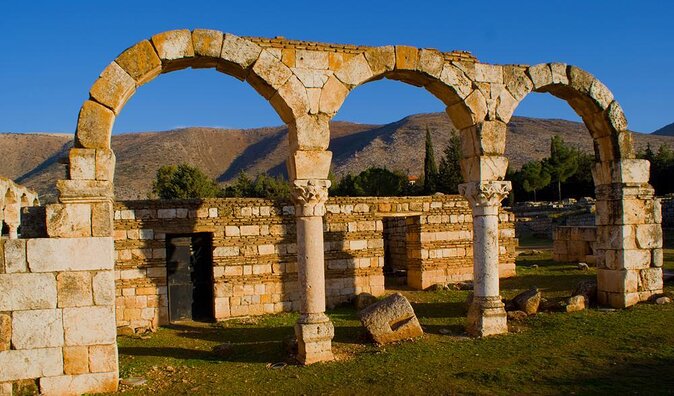
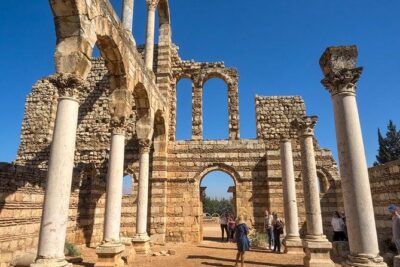
After Baalbek, the tour turns to Anjar. The ruins are smaller and less immediately overpowering, but they reward close attention. The city was founded by Caliph Walid I at the start of the eighth century, during the Umayyad period.
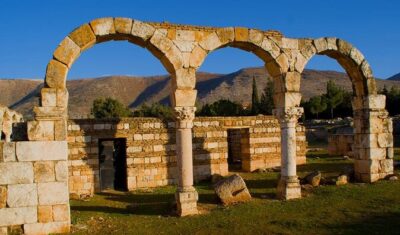
Anjar was built as a planned inland commercial center at the meeting point of routes from Beirut to Damascus and from Homs toward Tiberias. Its regular grid of streets, walls, arcades, palace buildings, mosque, harems, and baths gives the site a very different feel from Baalbek.
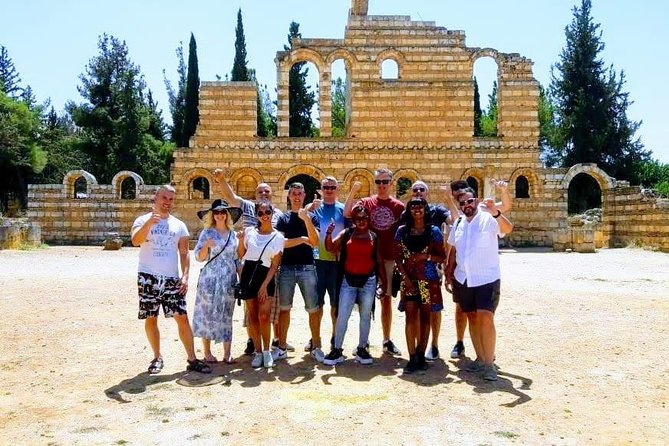
You get roughly 45 minutes at Anjar and another 45 minutes around the Umayyad ruins. That is enough for an introduction, though you may wish for more time if ancient city planning interests you. The clean layout makes the site easy to understand, and the Roman architectural elements show how later builders reused familiar forms.
The ruins were only identified by archaeologists in the late 1940s. That recent discovery adds a nice sense of perspective. Anjar is not as instantly famous as Baalbek, yet it is a key stop because it widens the story from Roman Lebanon to the early Islamic world.
A local archaeological guide can point out how the city was organized and explain the purpose of the main structures. This is one of the strongest features of the day. You are not left to guess which pile of stones was a palace, bath, mosque, or market area.
Anjar is also exposed, so the same practical advice applies: wear shoes with a good grip, use sunscreen, and carry water. The site is shorter than Baalbek, but the sun can still be intense.
A Lebanese lunch that breaks up the ruins
Lunch is included at a local restaurant, and it is more than a small convenience. After several hours outside, a proper meal gives the day a needed pause and lets you experience part of everyday Lebanese food culture.
The meal has been described as generous, with enough food that some diners could not finish it. That fits the spirit of Lebanese dining, where a table may receive several shared dishes rather than one narrow main course.
Still, keep your expectations practical. Food quality and restaurant service are not always consistent. One account praised the lunch highly, while another found both the food and service disappointing. That does not make lunch a reason to avoid the tour, but it is a reminder that the meal is a set part of a shared day, not a restaurant you select yourself.
Your tour leader can also make this stop more enjoyable by explaining what you are eating and helping the group settle in. The lunch is especially valuable because it is included in a tour that already covers transportation and guiding, but it should not be treated as a guaranteed gourmet experience.
More Chateau Ksara wine tours in Beirut:
- Guided Private Full Day Tour to Baalbek, Anjar and Chateau Ksara
★ 5.0 · 60 reviews - Lebanon tour Baalbek ruins & Ksara w/pick-up, lunch,guide+entries
★ 5.0 · 35 reviews - Baalbek Temples & Ksara Caves w/pick-up,guide, entries+lunch
★ 4.9 · 34 reviews - Small Group Tours to Baalbek, Anjar & Chateau Ksara with lunch and Tickets
★ 5.0 · 29 reviews
Chateau Ksara and the optional wine tasting
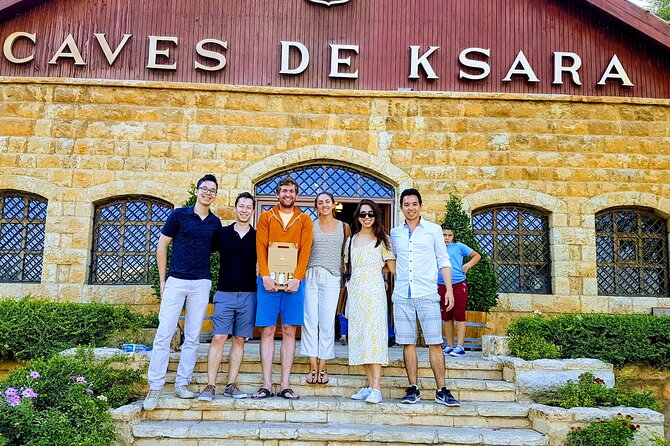
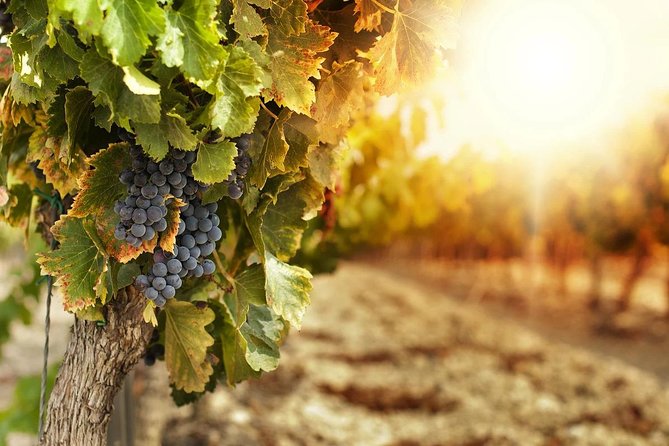
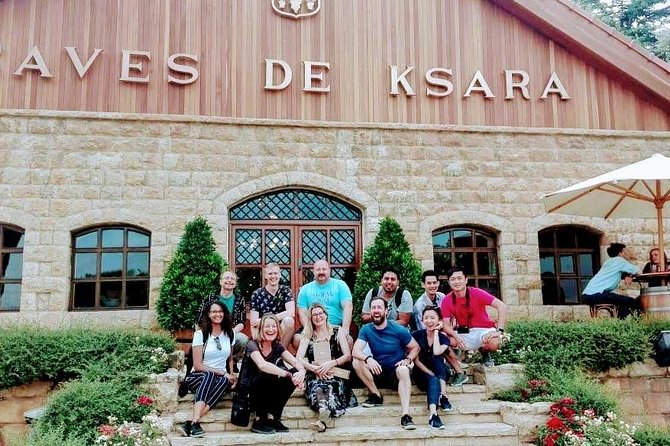
The final major stop is Chateau Ksara, a winery in the Bekaa Valley founded by Jesuit priests in 1857. It developed Lebanon’s first dry wine and now produces about three million bottles a year, with exports to more than 40 countries.
You spend about an hour here. The stop changes the rhythm of the day nicely. After temples and palace ruins, you get a look at a modern Lebanese producer with a long history of its own.
The winery visit is interesting even if wine is not the main reason you came. It shows how the Bekaa Valley supports more than archaeology and gives you a practical connection to local agriculture and production.
The wine tasting costs extra, so ask about the fee before ordering. One person found it worth paying for, but it is not part of the stated $65 package. If you do not drink wine, you can still appreciate the setting and the explanation of the winery, though the stop will naturally be more rewarding for people interested in Lebanese wine.
Because Ksara comes late in a busy schedule, do not expect a long, leisurely cellar visit unless the day runs ahead of time. The tour’s main focus remains Baalbek and Anjar.
What the $65 price really covers
At $65 per person, this is good value for a nine-hour excursion from Beirut. You receive hotel pickup and drop-off, an air-conditioned vehicle, a driver, tour leader, professional guides, and lunch.
The price is particularly fair if you are traveling alone or as a couple. Hiring a private car for the same route would likely cost more, while public transport would require more planning and would not provide the same site explanations.
You should add a small buffer for costs not clearly included. Admission is not included for the temple complex at Baalbek or the Umayyad ruins at Anjar, even though the broader stop descriptions list some admission lines as free. The wine tasting at Ksara is also extra. Ask for the current entrance and tasting charges when you book or before the day begins.
The value improves if the tour uses archaeologists at both major sites. That kind of specialist guidance can turn a sightseeing stop into a useful history lesson. It also saves you from paying separate entrance and guide costs at each location, though site fees themselves remain your responsibility.
How the day feels in practice
This is an action-packed day, not a relaxed countryside outing. You will move between three main stops, eat lunch, walk through open archaeological areas, and spend several hours on the road.
The positive side is variety. Baalbek gives you Imperial Roman scale, Anjar presents early Islamic city planning, lunch offers a local food break, and Ksara adds wine and modern production. You do not spend the whole day looking at similar ruins.
The tradeoff is limited free time. If you want to linger over every inscription, browse at leisure, or take a long café break, this schedule may feel tight. If your goal is to see the major sights efficiently from Beirut, the structure works well.
The guides are a major part of the experience. Albert has been praised for professionalism, warmth, humor, and clear information. Hassan and Hassane have been noted for patience, good spirits, and useful explanations. Alfred has been singled out for careful organization and kindness, while Mariana has been praised for making a smaller departure feel personal.
Those names give you a sense of the operator’s strengths, but guide assignments change. The important point is the model: a general tour leader handles the day, while local specialists or archaeologists may explain the principal ruins.
Who should book this Baalbek day trip
I would choose this tour if you are staying in Beirut and want to see Baalbek without arranging a car. It suits first-time visitors who want history, food, and a little wine in one long day.
It is also a good fit if you value explanation over independence. The ruins are much easier to understand with a guide, especially when several civilizations occupy the same site.
You may prefer a private custom tour if you want to set your own pace, spend extra hours at Baalbek, or skip the winery. Families and people who tire easily should also consider the nine-hour duration and summer heat.
The tour is open to most people, but you should be comfortable walking around outdoor ruins. The supplied information does not give a specific accessibility program, so contact the provider before booking if you need special assistance.
Free cancellation is available when you cancel at least 24 hours before the local start time. Changes or cancellations inside that window are not accepted for a refund.
Should you book it?
Yes, if Baalbek is high on your Lebanon list and you want a practical, well-organized route from Beirut. The combination of archaeological guides, a small group, included lunch, and door-to-door transport makes $65 a strong deal.
Go in with clear expectations: it is a long day, some entry fees and wine tasting cost extra, and lunch quality can vary. Bring water, wear sensible shoes, and ask about extra charges before setting out. For a first look at the Bekaa Valley, this tour covers an impressive amount without forcing you to manage the road yourself.
FAQ
How long is the Baalbek, Anjar, and Ksara tour?
The experience lasts about nine hours.
What time does the tour start?
The stated start time is 8:30 a.m.
Is hotel pickup included?
Yes. Pickup and drop-off from central Beirut hotels are included.
Is transportation provided during the tour?
Yes. You travel in an air-conditioned vehicle with a designated driver and comfortable transportation.
What is the maximum group size?
The group can include no more than 15 people.
Is lunch included?
Yes. A Lebanese lunch at a local restaurant is included.
Are professional guides included?
Yes. Professional guides and a tour leader are included. Local archaeological guides may lead the visits at Baalbek and Anjar.
Are entrance tickets included?
Admission is not included for the Baalbek temple complex or the Umayyad ruins at Anjar. Check the current charges before visiting.
Is wine tasting included at Chateau Ksara?
No. The wine tasting costs extra.
Can I cancel for a full refund?
Yes, if you cancel at least 24 hours before the experience begins. Cancellations made less than 24 hours before the start time are not refunded.
More Lunch Experiences in Beirut
- Guided Small-Group Tour to Jeita, Harissa, Byblos with Lunch
★ 5.0 · 361 reviews - Byblos, Jeita Grotto & Harissa Day Trip -With Lunch (4G on Board)
★ 4.5 · 145 reviews - Semi-Private Tour to Jeita Grotto, Harissa & Byblos with Lunch
★ 5.0 · 52 reviews - Sidon, Tyre & Maghdouche Day Trip – With Lunch (4G on Board)
★ 4.5 · 44 reviews
Just added around Beirut
- Journey Through Time: Half-Day Private Tour to Baalbek★ 5.0 · 3 reviews
- Small Group Tours to Jeita Grotto and Byblos with tickets★ 5.0 · 3 reviews
- Wine Tasting and Culture★ 5.0 · 3 reviews
- Small-Group Tour with Lunch to Jeita Grotto, Byblos and Harissa★ 4.5 · 3 reviews
- Traveling Spoon Lebanese Mezze Private Online Cooking Class★ 5.0 · 4 reviews
- Small-Group Tour to Sidon, Tyre and Maghdouche with Lunch and Tickets★ 4.5 · 3 reviews
- Small-Group Tour with Lunch to Baalbek, Anjar and Ksara★ 5.0 · 3 reviews
- Beirut to Qadisha Valley, Bcharri & Cedar: Daily Tours with Lunch★ 4.5 · 3 reviews
Baalbek and Anjar Tours, compared.
Anjar, Baalbek & Ksara Day Trip – With Lunch (4G on Board)
Read our review →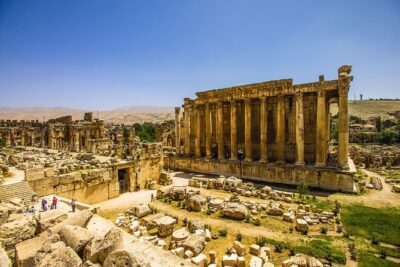
Private Anjar and Baalbek Tour from Beirut with Departure Ticket
Read our review →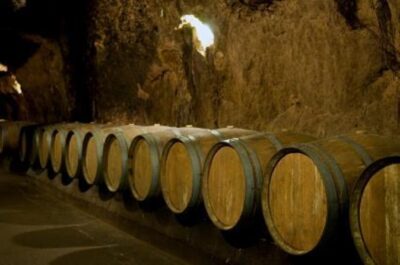
Guided Private Full Day Tour to Baalbek, Anjar and Chateau Ksara
Read our review →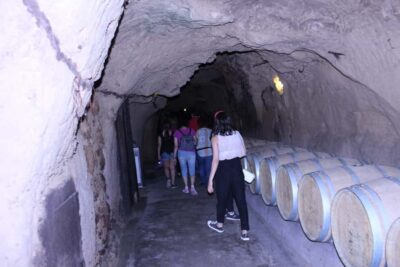
Baalbek Temples & Ksara Caves w/pick-up,guide, entries+lunch
Read our review →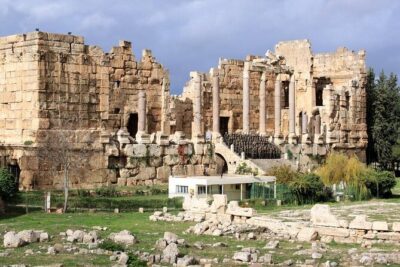
Small Group Tours to Baalbek, Anjar & Chateau Ksara with lunch and Tickets
Read our review →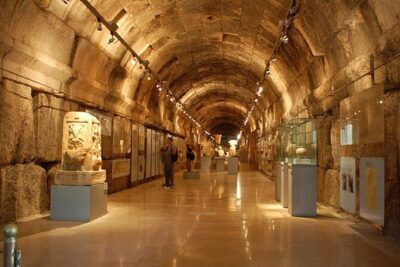
Private Tour: Anjar, Baalbek and Ksara Day Trip from Beirut
Read our review →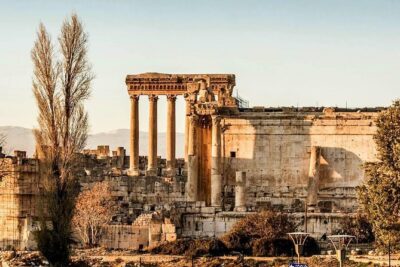
Browse the lists this tour appears in