
Reviewed · JEITA GROTTO TOURS
Full-Day Private Tour to Jeita Grotto, Harissa and Byblos
Jeita Grotto gives this day its wow factor: deep under Lebanon’s hills, water has shaped limestone into huge chambers filled with stalactites, curtains, columns and other strange stone forms. You then move from nature to faith and history, with the Our Lady of Lebanon shrine above Jounieh Bay and ancient Byblos on the coast.
I like the private format and the door-to-door ride. You do not have to herd yourself between three very different sights, and your party can set the pace within the day’s schedule. I also like the range: caves, a cable car and Phoenician ruins make this far more varied than a standard city tour.
The main consideration is cost control. The $50 per person price covers the car, driver, tour leader and hotel transfers, but Jeita Grotto, the Telepherique, and Byblos Castle charge extra, while lunch and gratuity are also on you. The day is full, so expect plenty of road time between stops.
Key points to know before booking
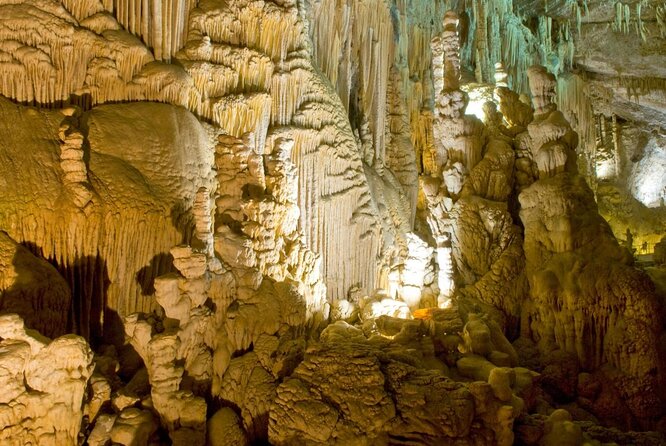
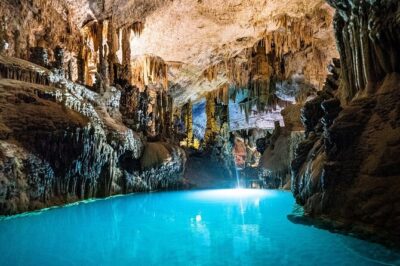
- Jeita Grotto is the natural centerpiece: The upper cave stretches 2,130 meters and is packed with crystallized formations, while the lower gallery follows an underground river and lake.
- Harissa brings the biggest view: The 15-ton bronze statue of Our Lady of Lebanon looks over Beirut and Jounieh Bay from about 650 meters above sea level.
- The Telepherique adds a memorable ride: The gondola travels above steep, pine-forested slopes to Harissa, with ticket cost separate from the tour price.
- Byblos covers several layers of the past: You see Phoenician ruins, a Crusader castle, an old souk and a port linked to timber trade around 3000 BC.
- Private transport keeps the day simple: Hotel pickup, drop-off and an air-conditioned car are included, with only your group taking part.
- Plan for extra expenses: Admission to Jeita Grotto and Byblos Castle is not included, and neither are the cable car, lunch or gratuity.
Why this private Beirut day trip works
This tour is a useful answer to a common Lebanon planning problem: the country’s best-known sights sit outside Beirut, and they are scattered in different directions and settings. Jeita is inland and underground, Harissa rises above Jounieh, and Byblos lies along the coast. A private car connects them without forcing you to arrange separate taxis or transport.
The tour begins at 9:00 a.m. with hotel pickup. From there, you ride in an air-conditioned vehicle with a tour leader who gives brief explanations at each site. That wording matters. This is not presented as a long specialist lecture at every stop. You should expect useful orientation, local context and practical help, then time to look around on your own.
I especially like the private setup for this route. Jeita Grotto rewards a little quiet attention, and Byblos is better when you can linger over a castle view or pause in the old streets rather than march behind a large group. The day remains structured, but it belongs to your party.
The listed visits add up to nearly seven hours before driving, loading, meals and ticket arrangements. In real terms, this is an eight-hour day with a steady rhythm. You will not have unlimited time at any one site, but you will cover a remarkable range of Lebanon in one outing.
More Jeita Grotto tours in Beirut:
- Guided Small-Group Tour to Jeita, Harissa, Byblos with Lunch
★ 5.0 · 361 reviews - Jeita Grotto,Harissa&Byblos Full-Day PRIVATE-CAR Trip from Beirut
★ 5.0 · 222 reviews - Jeita Grotto – Harissa – Byblos Trip
★ 5.0 · 169 reviews
Jeita Grotto, where water built a cathedral of stone
Jeita Grotto is the strongest reason to book this particular combination. It is a system of two separate but connected limestone caves formed over millions of years, about 300 meters above sea level. The complex is described as the longest cave system in the Middle East, and its scale is hard to grasp from a quick photograph.
The upper cave is 2,130 meters long and contains the formations most people come to see. Stalactites hang from the ceiling, stalagmites rise from the floor, and some formations join into columns. You might also see shapes described as mushrooms, curtains, draperies and ponds. The names are plain, but the effect is not. These are slow-made forms, shaped by mineral deposits over immense stretches of time.
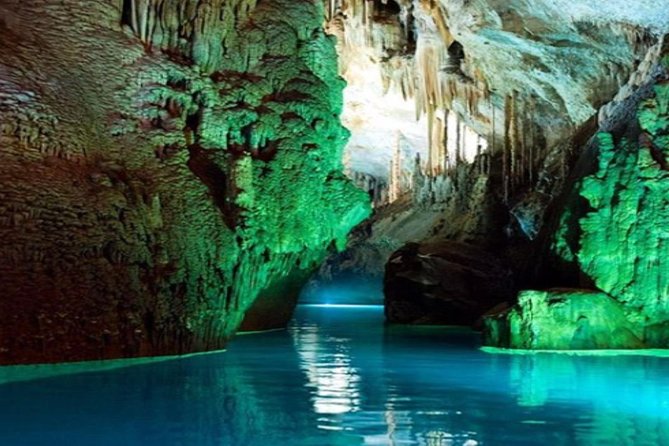
The lower gallery reaches 6,200 meters and sits about 60 meters below the upper level. It is crossed by an underground river and a lake. The tour allocates about 90 minutes to Jeita, which gives you a useful first look at this unusual setting without letting the cave consume the whole day.
Admission is not included, so budget for the entrance ticket before you arrive. The supplied details do not state the current ticket price, and you should check it when booking or at the entrance. The same applies to any transport arrangement within the cave complex if one is required.
Jeita is a place where comfortable shoes and a light layer make sense, though no specific dress or equipment rule is provided. More important is your timing. If you want long, unhurried cave visits, this full-day route may feel brisk. If you want to see Jeita as one part of a larger Lebanon day, the 90-minute stop is sensible.
Harissa and the statue above Jounieh Bay
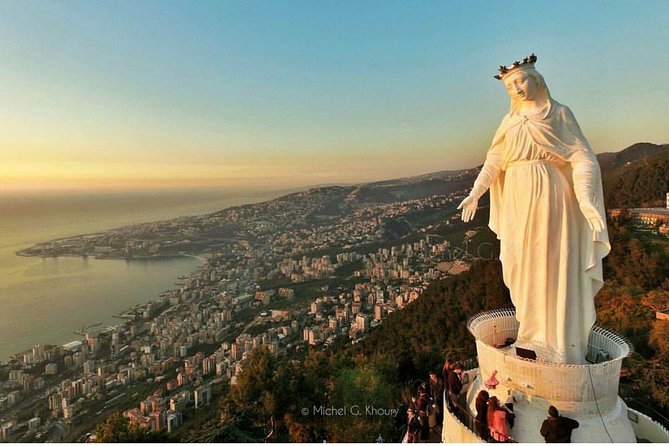
After Jeita, the tour turns toward Harissa, a major Christian pilgrimage site. The Shrine of Our Lady of Lebanon is marked by a huge bronze statue of the Virgin Mary, weighing 15 tons and measuring 8.5 meters high, with a diameter of five meters. Her arms reach toward Beirut, and the site looks across Jounieh Bay.
You receive about 30 minutes at the shrine. That is enough to take in the statue, consider the religious importance of the place and enjoy the panorama. It is not enough for a slow pilgrimage visit or a detailed examination of every nearby church, so keep your expectations realistic.
The shrine’s location is the main visual reward. From here, you can look over Jounieh and toward Beirut from a high position. The view gives the day a welcome change after the enclosed cave. I find that contrast one of the tour’s best features: you move from darkness and stone to open air and a broad coastal outlook within the same morning.
Admission to the shrine is listed as free. The site is important to Christians in Lebanon and to pilgrims from around the world, but you do not need to be religious to appreciate its setting and architecture. Dress and conduct should be respectful at a religious site, even though no specific dress code is supplied.
Harissa’s churches and the Telepherique ride
The nearby churches receive a shorter 15-minute visit. Harissa includes a large cathedral built of concrete and glass, along with churches belonging to several Christian denominations. The Melkite Greek Catholic Basilica of St. Paul, built in a Byzantine style, is one of the notable churches in the area.
This is a brief stop, so think of it as an introduction rather than a church tour. You can see how Harissa serves as more than a single statue or lookout. It is a wider pilgrimage area with different Christian traditions gathered around the shrine.
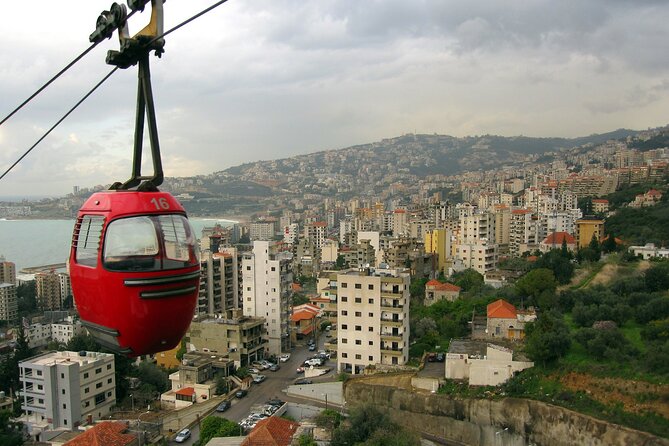
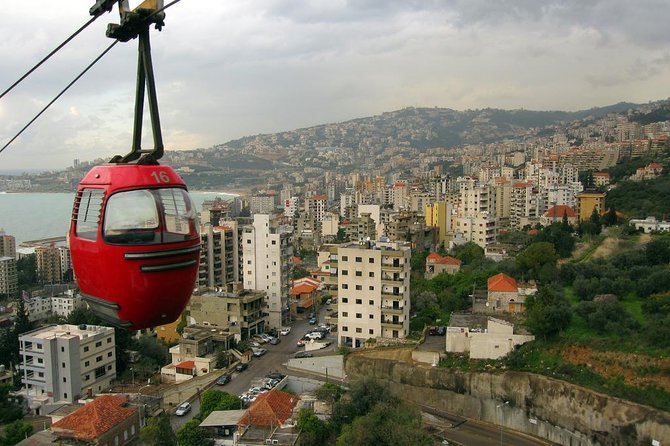
The Telepherique is another highlight, and for many people it may be the most enjoyable part of Harissa. This gondola system carries you from Jounieh up the steep, pine-forested mountain to Harissa, reaching an altitude of about 650 meters. The ride offers views over Jounieh Bay and the surrounding city.
The listed stop is 20 minutes, and the cable car ticket is not included. Confirm how the ride fits into the day when you book, since the tour also includes a private vehicle and may use the cable car as part of the transfer to the shrine. Either way, the attraction is clear: you get a short aerial journey instead of seeing Harissa only from the road.
If you dislike heights, this is the part to consider carefully. The cable car is a gondola lift above a steep mountainside, not a ground-level viewpoint. For everyone else, it adds a memorable change of pace and gives you a different angle on the bay.
More Byblos tours in Beirut:
- Byblos, Jeita Grotto & Harissa Day Trip -With Lunch (4G on Board)
★ 4.5 · 145 reviews - Semi-Private Tour to Jeita Grotto, Harissa & Byblos with Lunch
★ 5.0 · 52 reviews - Small Group Tour to Jeita Grotto, Harisa & Byblos with Hotel pickup
★ 5.0 · 49 reviews - Private Guided Tour to Jeita Grotto through Harissa and Byblos
★ 5.0 · 48 reviews
Byblos, from Phoenician port to old stone streets
Byblos is the cultural heart of the afternoon. It is one of the oldest Phoenician cities and has been inhabited since Neolithic times. The city is linked to the development and spread of the Phoenician alphabet, making it a powerful place to think about how writing and trade moved around the Mediterranean.
The tour allows about two hours for Byblos, followed by a separate hour for Byblos Castle. That is a useful amount of time for a first visit, although the archaeological area contains enough to reward a longer stay. Your tour leader provides a brief explanation, and you can then use the walking time to take in the ruins.
Byblos is not a single monument. Its appeal comes from the layers placed close together: very early settlement, Phoenician temples, later fortifications, medieval buildings, market streets and the harbor. You are not simply checking off one famous building. You are walking through a town where the past appears in sections and fragments.
The route is especially good for people who like history presented through physical remains. The city’s importance is tied to the Mediterranean, shipping and the spread of writing. Even a short visit gives you a clearer sense of how coastal towns connected Lebanon with the wider ancient world.
Byblos Castle and the archaeological site
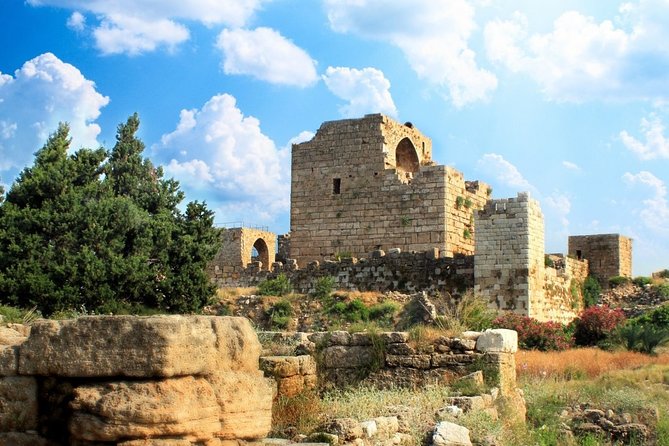
Byblos Castle is a restored 12th-century Crusader fortress surrounded by a dry moat about 10 meters wide. It sits within the archaeological site, near the ruins of the Temple of Baalat Gebal and the Temple of the Obelisks.
The castle’s square keep is worth climbing for the view. From the top, you can look across the archaeological remains and toward the sea. A series of Bronze Age dwellings is visible below the walls, which helps connect the medieval fortress with the much older settlement around it.
Inside the castle, a small museum and information panels explain Byblos’s past. This is valuable because the ruins can otherwise become a blur of stone foundations. A few clear panels can help you place the temples, homes and fortifications in time.
Castle admission is not included. The tour lists free access for the broader Byblos visit, but specifically excludes the castle ticket, so ask your guide which entrance fees apply on the day. If you are watching your budget, this is one of the main extras to factor into the $50 price.
The castle is also where the schedule may feel tight. The listed hour gives you time to see the keep, museum and views, but not to study every ruin at length. I would use the top of the keep as a priority, then spend the remaining time on the museum and the most visible archaeological remains.
The old souk and Byblos Port
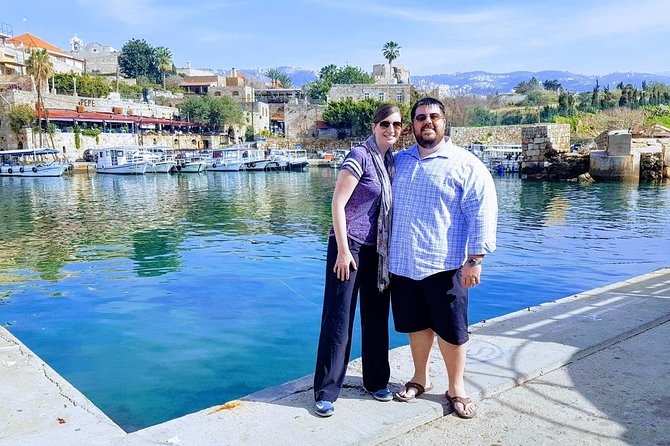
The old souk is a short stop of about 10 minutes. Its cobblestone lanes, old buildings, souvenirs and antiques offer a softer finish to the archaeology. You can stroll, take a few photographs or browse for a small reminder of Byblos.
Ten minutes is not shopping time in the usual sense. If you want to compare antiques or sit over a drink, you will need to do that only if the day allows extra flexibility. On this tour, the souk works best as a quick walk through the town’s historic center.
Byblos Port receives another 10 minutes. It is an ancient harbor and is traditionally regarded by Lebanese people as the oldest port in the world. Around 3000 BC, it was an important timber shipping center in the eastern Mediterranean.
The port helps make the city’s ancient story feel practical. Phoenician history was not only about temples and kings. It was also about ships, timber and trade. Looking toward the water after seeing the ruins gives you a useful final piece of the Byblos picture.
What the $50 price really covers
At $50 per person, this tour offers good value if you are traveling with others and want private transport between several major sites. The price includes a private car, an air-conditioned vehicle, hotel pickup and drop-off, a tour leader and brief explanations at each location.
Group discounts are available, though the exact discount is not provided. Because the tour is private, only your party participates. That matters most when you are traveling with family or friends and want to avoid coordinating separate rides.
The price is not an all-inclusive day rate. Jeita Grotto admission, the Telepherique and Byblos Castle are extra. Lunch is not included, and gratuity is separate. The tour details do not specify a restaurant or meal stop, so plan to ask about lunch timing at the start of the day.
The value comes from what you avoid arranging yourself: three destination transfers, hotel pickup, parking, route planning and the challenge of fitting cave, mountain and coastal sites into one day. If you are only interested in one of these places, a smaller outing could make more sense. If you want all three, the private structure earns its keep.
Who should book this experience
I would recommend this tour to a first-time visitor based in Beirut who wants a broad introduction to Lebanon beyond the capital. It suits couples, families and small groups that value a private vehicle and do not want a fixed large-group format.
It also suits you if your priorities are variety and efficient sightseeing. Jeita provides nature, Harissa provides religious and panoramic interest, and Byblos provides archaeology and coastal history. You get a strong sample of three different sides of the country.
You may want another plan if you prefer slow travel. The schedule includes many stops, and Byblos alone can fill a day for anyone who enjoys detailed archaeology, museums and wandering. The cave visit and cable car also have separate admission costs, so the final spend will be higher than the headline price.
The tour is listed as suitable for most people, but the details do not provide specific accessibility information. Ask before booking if you need step-free access, special vehicle arrangements or help with stairs at the castle and other sites.
Confirmation is provided at booking, and free cancellation is available if you cancel at least 24 hours before the 9:00 a.m. start. Changes or cancellations within 24 hours are not refunded.
Should you book the Jeita, Harissa and Byblos tour?
Book it if you want an easy, private day from Beirut that covers Lebanon’s most famous cave, a major hilltop shrine and one of its oldest coastal cities. The strong point is the combination, not just any single stop. You get memorable views, unusual geology and thousands of years of human history in one well-packed outing.
Before paying, confirm the current admission costs, how the Telepherique ride is scheduled, and when lunch can fit into the day. If those extras suit your budget and you are happy with a brisk pace, the $50 per person base price is a practical way to see a lot without arranging the transport yourself.
FAQ
What time does the tour start?
The tour starts at 9:00 a.m. Hotel pickup and drop-off are included.
Is this a private tour?
Yes. Only your group participates, and the tour includes a private car, an air-conditioned vehicle and a tour leader.
Are entrance tickets included?
No. Admission to Jeita Grotto and Byblos Castle is not included. The Telepherique ticket is also separate. Admission to the Shrine of Our Lady of Lebanon, the Harissa churches, Byblos and the old souk is listed as free.
Is lunch included?
No. Lunch and gratuity are not included in the tour price.
How long does the tour last?
The experience lasts approximately eight hours. The scheduled stops include Jeita Grotto, Harissa, the Telepherique, Byblos, Byblos Castle, the old souk and Byblos Port.
Can I cancel for a full refund?
Yes, if you cancel at least 24 hours before the experience start time. Cancellations or changes made less than 24 hours before the start are not refunded.
More Full-Day in Beirut
- Guided Private Full Day Tour to Baalbek, Anjar and Chateau Ksara
★ 5.0 · 60 reviews - Beirut Full Day Walking Tour
★ 5.0 · 14 reviews - Guided Full-Day Private Trip to Cedars, Baalbek and Chateau Ksara
★ 5.0 · 10 reviews - Full-Day Private Trip to Jeita Grotto, Baalbek and Chateau Ksara
★ 5.0 · 8 reviews
More Harissa Tours in Beirut
- New Guided Semi-Private Tour to Jeita Grotto, Harissa & Byblos
★ 5.0 · 47 reviews - Lebanon Tour Jeita-Harissa & Byblos w/pickup,lunch,entries +guide
★ 5.0 · 27 reviews - Jeita Grotto – Harissa – Byblos Tour (All Inclusive)
★ 4.5 · 27 reviews - Jeita Grotto, Byblos and Harissa Full-Day Tour from Beirut
★ 5.0 · 23 reviews
Just added around Beirut
- Journey Through Time: Half-Day Private Tour to Baalbek★ 5.0 · 3 reviews
- Small Group Tours to Jeita Grotto and Byblos with tickets★ 5.0 · 3 reviews
- Wine Tasting and Culture★ 5.0 · 3 reviews
- Small-Group Tour with Lunch to Jeita Grotto, Byblos and Harissa★ 4.5 · 3 reviews
- Traveling Spoon Lebanese Mezze Private Online Cooking Class★ 5.0 · 4 reviews
- Beirut to Qadisha Valley, Bcharri & Cedar: Daily Tours with Lunch★ 4.5 · 3 reviews
- Small-Group Tour to Sidon, Tyre and Maghdouche with Lunch and Tickets★ 4.5 · 3 reviews
- Small-Group Tour with Lunch to Baalbek, Anjar and Ksara★ 5.0 · 3 reviews
Jeita Grotto Tours, compared.
Guided Small-Group Tour to Jeita, Harissa, Byblos with Lunch
Read our review →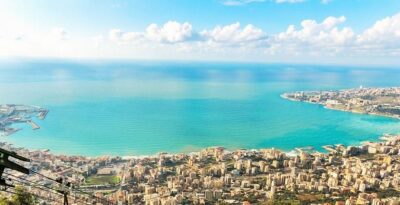
Jeita Grotto,Harissa&Byblos Full-Day PRIVATE-CAR Trip from Beirut
Read our review →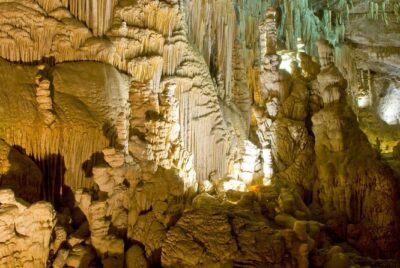
Byblos, Jeita Grotto & Harissa Day Trip -With Lunch (4G on Board)
Read our review →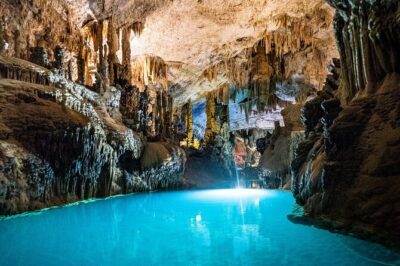
Semi-Private Tour to Jeita Grotto, Harissa & Byblos with Lunch
Read our review →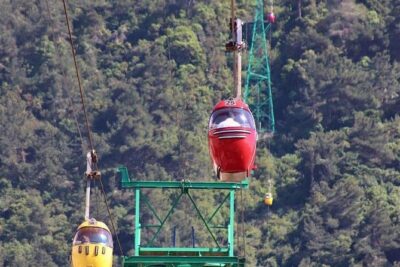
Small Group Tour to Jeita Grotto, Harisa & Byblos with Hotel pickup
Read our review →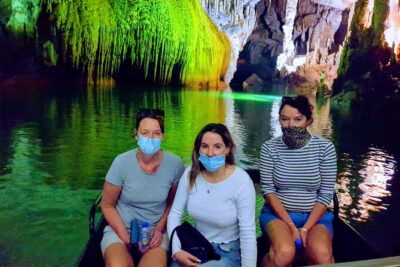
Private Guided Tour to Jeita Grotto through Harissa and Byblos
Read our review →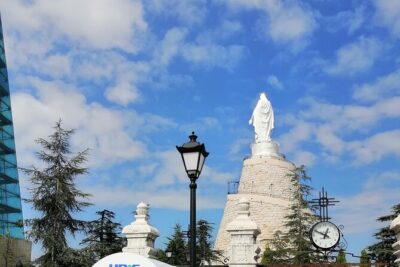
New Guided Semi-Private Tour to Jeita Grotto, Harissa & Byblos
Read our review →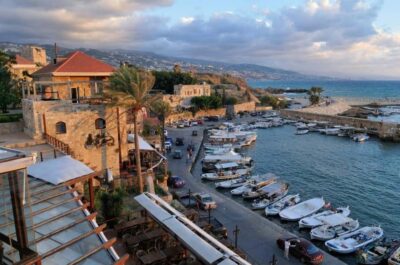
Browse the lists this tour appears in