
Reviewed · TRIPOLI TOURS
Guided Small-Group Tour to Tripoli and Batroun with Lunch
Tripoli is the real prize here. Its old center packs Mamluke mosques, covered souks, former caravanserais, Ottoman baths, and a working soap tradition into streets that feel far removed from Beirut. Add the Phoenician sea wall at Batroun, and you get a full day of northern Lebanon without taking on the country’s difficult driving yourself.
I like the maximum group size of 15, which gives you a better chance to ask questions and hear the guide in crowded old streets. I also like the practical design: hotel pickup, an air-conditioned vehicle, and an authentic Lebanese lunch are all included. The tradeoff is time. With 14 listed stops across about eight hours, several visits are brief, and Tripoli deserves far more than a quick pass.
Key things to know before booking
- Tripoli’s old city is the main event: Expect mosques, khans, baths, souks, a soap factory, and a sweet shop tied to the city’s food culture.
- The Citadel visit costs extra: Admission to Citadel Saint Gilles is not included, while most other listed stops have no admission charge.
- Lunch is included: The meal gives you a chance to try Lebanese food without arranging another stop during a tightly scheduled day.
- Batroun is a short finale: You’ll see the city and its ancient Phoenician sea wall, but only about 50 minutes is assigned to both.
- Pickup saves serious effort: The tour begins at 8:30 am and picks up and returns you directly to your Beirut hotel.
- Albert may be your guide: He has led tours for this operator, and the company has received especially strong praise for welcoming guides and clear explanations.
Why Tripoli is worth the long day from Beirut
Tripoli sits about 80 kilometers north-northeast of Beirut, at the mouth of the Abu Ali River. It is one of Lebanon’s oldest cities, with roots reaching back to the Phoenician era. Its old quarters contain dozens of historic buildings, including mosques from the Mamluke and Ottoman periods.
The appeal is not one single monument. It is the way religious buildings, market streets, workshops, baths, and old commercial inns fit together. You move from a prayer hall to a tailor’s khan, then into a lane filled with food smells and shopfronts. That mix gives you a better sense of how the city worked than a visit to an isolated museum would.
The tour allows about three hours for Tripoli itself, with additional short stops around the city. That is enough to get a strong introduction, but not enough for slow wandering. I would treat the day as an overview with carefully chosen highlights rather than a relaxed old-town exploration.
More Tripoli tours in Beirut:
- PRIVATE city Tour of authentic Tripoli and vibrant Batroun
★ 5.0 · 51 reviews - Full day Tripoli private great guide/all-in + rustic meal
★ 5.0 · 7 reviews - Tripoli City Lebanon Trip
★ 5.0 · 7 reviews
The Citadel of Saint Gilles and Tripoli from above
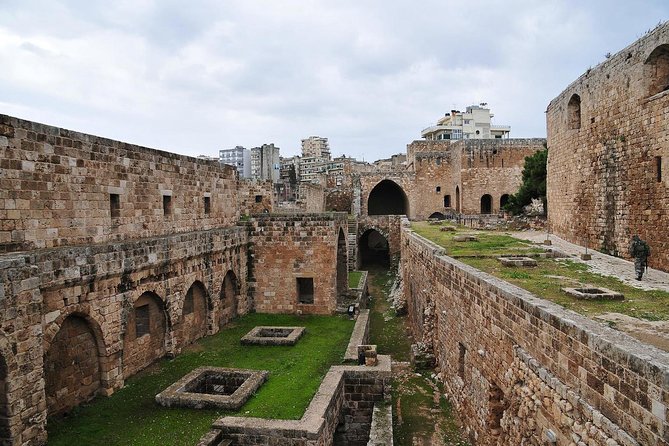
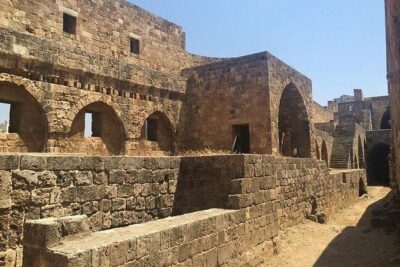
Citadel Saint Gilles, also called Qal’at Sinjil, overlooks Tripoli and gives the city a useful geographic introduction. The fortress measures roughly 140 meters long by 70 meters wide, and its present form reflects several periods of construction and repair.
Look for traces of Fatimid, Crusader, Mamluke, and Ottoman work. An octagonal Fatimid structure was converted into a church during the Crusader period, while later rulers added their own sections. Much of what you see today also reflects restoration carried out under Mustafa Barbar Agha, Tripoli’s governor in the early 19th century.
The scheduled visit lasts about 30 minutes. That should be enough to see the main areas and take in the view, though history fans may want more time among the walls. Admission is not included, so carry money for the entrance fee. The tour description does not state the current amount.
Two mosques, two layers of the city
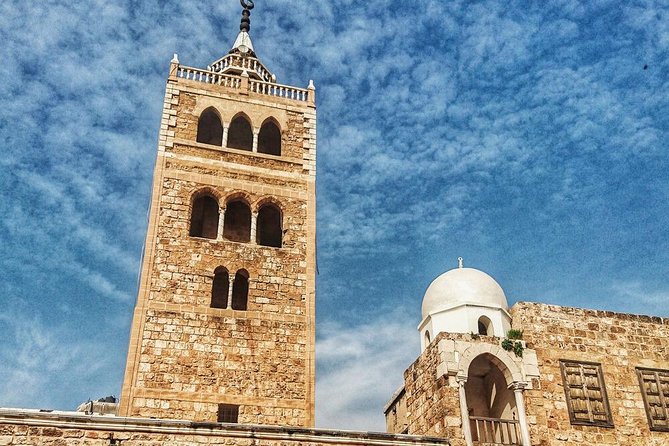
Al Mansouri Great Mosque dates from the late 13th and early 14th centuries. It was built on the remains of a Crusader cathedral, and that earlier building still shows through in the architecture. The northern entrance and a Lombard-style bell tower, later turned into a minaret, are especially useful clues to the site’s mixed past.
You’ll have about 20 minutes here. The courtyard and prayer hall are the key spaces, while foundation plaques and inscriptions offer a glimpse into Mamluke government and daily life. Dress and behave respectfully in this religious setting, and follow the guide’s instructions about where you may enter.
Taynal Mosque provides another example of a mosque built on an earlier Crusader site. Constructed in 1336, it includes reused granite columns with late Roman capitals. The second prayer hall has an unusual decorated entrance, described as a distinctive example of Mamluke-era design in Tripoli.
Again, the planned visit is only about 20 minutes. These stops are valuable because you are not seeing just one era of Lebanese history. You are seeing earlier structures reused, adapted, and given new meaning over time.
The souks: the part that rewards attention
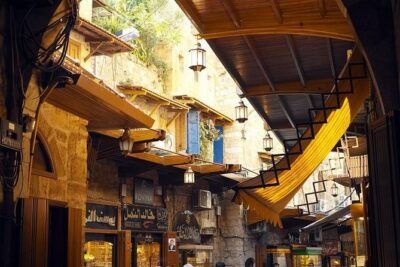
Tripoli’s souks are likely to be your most sensory stop. Nine traditional markets cover different trades, including Attareen, Bazerkan, Haddadin, Haraj, Kameh, Koundarjiyeh, Nahhasin, Samak, and Sayyaghin. There is also a food market selling produce, meat, fish, and other everyday goods.
The route allows about an hour in Souk Al-Harajb. That is a useful amount of time, but the market is the place where you may feel the schedule most sharply. You’ll pass through covered lanes, narrow alleys, and small shops, but you may not have time to browse every corner or shop at length.
I like that the tour treats the souk as more than a shopping stop. These markets show how old trades remain tied to the city’s daily life. The colors, smells, sounds, and changing shopfronts tell you as much about Tripoli as the formal monuments do.
A few more Beirut trips to weigh up
- Guided Small-Group Tour to Baalbek, Anjar and Ksara with Lunch
★ 5.0 · 511 reviews - Guided Small-Group Tour to Jeita, Harissa, Byblos with Lunch
★ 5.0 · 361 reviews - Anjar, Baalbek & Ksara Day Trip – With Lunch (4G on Board)
★ 4.5 · 181 reviews - Byblos, Jeita Grotto & Harissa Day Trip -With Lunch (4G on Board)
★ 4.5 · 145 reviews
Khans, soap, and old public baths
Khan Al-Khayyatin is a long rectangular building with a covered central courtyard. Tailors and related trades, including sellers of needles, thread, and sewing machines, have traditionally used the khan. The visit is listed at only five minutes, so expect a quick look rather than a full workshop experience.
The soap factory at Khan al-Masriyen gives the tour a more unusual angle. Khan As Sabon was built in the early 17th century as an Ottoman military barracks. Its two-story arcades surround a courtyard with a fountain, and the building later became associated with Tripoli’s soap-making tradition.
You’ll also pass several hammams, or public bathhouses. Hammam Al Jadid, also called Hammam El-Abed in the details provided, is described as the only functioning hammam in Tripoli. Its pierced domes, central fountain, cushions, and traditional fittings make it a living example of the old bathhouse design.
Hammam al-Jadid was built around 1740 and has not operated since the 1970s. Its faded condition is part of the story, but you should expect an exterior or very brief visit rather than a long indoor tour. Ezzeddine Hammam, founded by a Mamluke governor and once in continuous use, is now under restoration.
All three bath stops are assigned about five minutes each. That is enough for orientation and photographs if access allows, but not enough to study the architecture in detail. If hammams are a major interest, ask the guide questions while moving between stops.
A quick look at modern Tripoli
The Rachid Karami International Fair introduces a very different side of the city. Brazilian architect Oscar Niemeyer designed its 15 structures in 1963. The project was abandoned during the civil war in 1975, leaving the exhibition center unfinished.
The stop lasts about five minutes, so do not expect an extensive architectural visit. Still, it is a worthwhile contrast to the old souks and mosques. Tripoli is not only a medieval city. Its 20th-century plans and unfinished modern structures also form part of its identity.
Hallab 1881 gives you a taste of another local tradition. The Tripoli-based company has been making Lebanese sweets since 1881, and its Kasr El Helou is one of the city’s best-known landmarks. The scheduled 15 minutes should allow a brief look and possibly time to consider purchasing sweets, though the included lunch is the main meal on the tour.
El Mina and the route toward Batroun
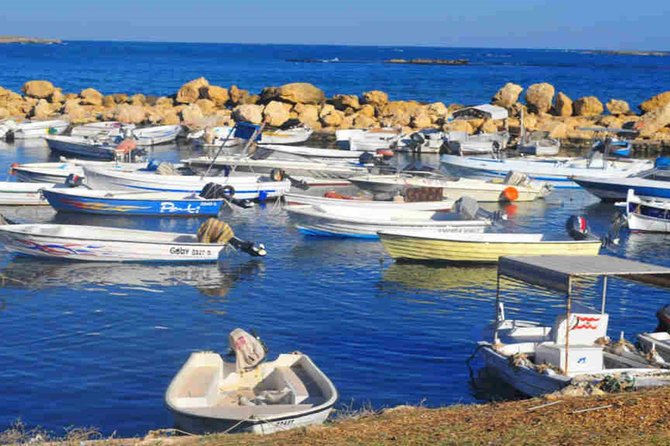
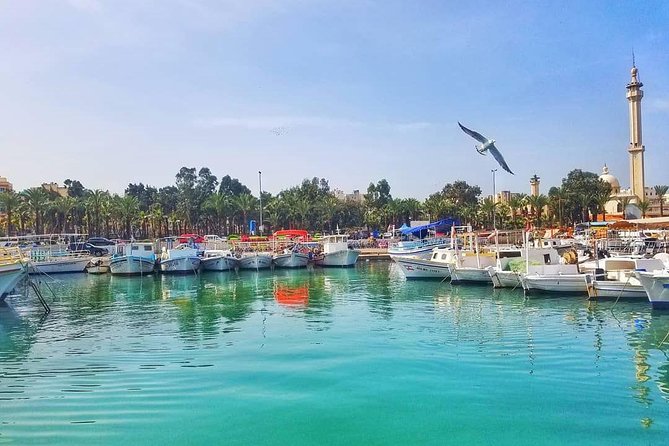
El Mina is Tripoli’s coastal town and harbor. It occupies the site of the old Phoenician city and includes nine islands, four of which are protected as natural reserves for fish and wildlife.
The visit is listed at 15 minutes. That makes it a short coastal orientation, not a full port or island excursion. Still, it helps connect modern Tripoli with its Phoenician roots before you continue south toward Batroun.
The driving itself is an important part of the tour’s value. Self-driving in Lebanon can be stressful, and this experience removes the need to handle navigation, parking, and the route between several scattered sites. An air-conditioned vehicle matters on a long day, especially when the schedule includes outdoor walks and old-city streets.
Batroun and the Phoenician sea wall
Batroun is one of the world’s oldest cities, with Phoenician roots reaching back more than three millennia. Today it is known for ancient churches and fortifications, citrus fruit, beaches, and modern nightlife, but this tour focuses on the old coastal setting.
You have about 30 minutes in Batroun and another 20 minutes at the Phoenician Wall. That is enough to see the main point of interest, but not enough to explore the city at an easy pace. If you want a full Batroun day, this tour is too broad. If you want a first look after a substantial Tripoli visit, the balance makes sense.
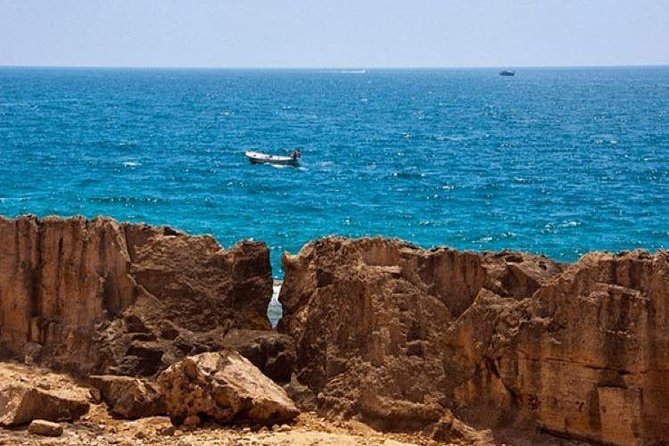
The sea wall is about 225 meters long and between one and one and a half meters thick. It began as petrified sand dunes, then was reinforced by the Phoenicians with rocks. The wall protected the ancient city from storms and attackers, and the Romans later used parts of it as a quarry.
What remains is simple but memorable: old stone meeting the sea. You may appreciate this stop most after the dense streets and elaborate buildings of Tripoli. It is a chance to slow down, take in the coast, and see how practical Phoenician engineering shaped the city.
Lunch and the value of $65
At $65 per person, this tour offers solid value if you want transportation, guiding, hotel pickup and drop-off, and lunch in one package. A private car for the same route would cost more, and driving yourself would add rental costs, fuel, parking, navigation, and the strain of Lebanese roads.
The lunch is described as authentic Lebanese cuisine at a local restaurant. The exact dishes and restaurant are not specified, so you should not book expecting a particular menu. Still, including the meal is useful: you do not need to spend part of the day finding a restaurant, and Lebanese food is one of the pleasures of a northern city visit.
The price does not include admission to the Citadel. Most other listed stops have no admission charge, but you should keep a little extra money available for the entrance and any sweets or souvenirs you choose to buy.
What the eight-hour schedule feels like
The tour begins at 8:30 am and lasts about eight hours. Pickup and drop-off at your Beirut hotel save time and make the morning easier, particularly if you are staying outside the central meeting area.
The maximum of 15 people is small enough for guide interaction, but it is not a private tour. In a crowded souk or mosque, you may need to stay close to the group. The short five-minute stops also mean that punctuality matters. If you wander off for a purchase, you could miss the next departure.
The company has been praised for welcoming service and clear explanations. Albert is one guide connected with the operator, and one especially useful feature of his tours is the chance to discuss both the sites and current conditions in Lebanon. Guide quality matters on this route because the old city can be confusing without someone to explain what you are seeing.
Who should book this tour
I would recommend it to you if you are based in Beirut and want to see northern Lebanon without renting a car. It suits first-time visitors who want a wide sample of Tripoli’s architecture, markets, religious buildings, food traditions, and coast in one day.
It is also a good fit if you value context. The route links Phoenician, Roman, Crusader, Mamluke, Ottoman, and modern Lebanese stories instead of presenting each stop as an isolated sight.
You may want another option if your priority is slow photography, extended shopping, or a full Batroun visit. The schedule is broad and efficient, not leisurely. Anyone who dislikes early starts, group timing, or frequent short stops should think carefully before booking.
Free cancellation is available if you cancel at least 24 hours before the 8:30 am start. Changes or cancellations inside that window are not accepted for a refund.
Should you book it?
Book this tour if you want the simplest practical way to reach Tripoli and Batroun from Beirut, with lunch and a guide included. The best parts are Tripoli’s souks, mosques, khans, and hammams, plus the chance to see the Phoenician sea wall without arranging your own transport.
Skip it if you want to spend a whole day in either city. At $65, the value is strongest for an introduction to northern Lebanon, not for deep exploration of every historic building.
FAQ
Where does the tour begin?
The tour begins with pickup from your Beirut hotel.
What time does the tour start?
The stated start time is 8:30 am.
How long does the tour last?
The experience lasts approximately eight hours.
How many people can join the group?
The group has a maximum of 15 travelers.
Is hotel drop-off included?
Yes. Hotel pickup and drop-off are included.
Is lunch included?
Yes. An authentic Lebanese restaurant lunch is included.
Is transportation provided?
Yes. The tour uses an air-conditioned vehicle, with transportation included.
Is admission to the Citadel included?
No. Admission to Citadel Saint Gilles is not included.
Does the tour visit both Tripoli and Batroun?
Yes. The itinerary visits Tripoli and Batroun, including the Phoenician Wall.
Can I cancel for a full refund?
Yes, if you cancel at least 24 hours before the experience starts. Cancellations made less than 24 hours before the start time are not refunded.
Just added around Beirut
- Journey Through Time: Half-Day Private Tour to Baalbek★ 5.0 · 3 reviews
- Small Group Tours to Jeita Grotto and Byblos with tickets★ 5.0 · 3 reviews
- Wine Tasting and Culture★ 5.0 · 3 reviews
- Small-Group Tour with Lunch to Jeita Grotto, Byblos and Harissa★ 4.5 · 3 reviews
- Traveling Spoon Lebanese Mezze Private Online Cooking Class★ 5.0 · 4 reviews
- Beirut to Qadisha Valley, Bcharri & Cedar: Daily Tours with Lunch★ 4.5 · 3 reviews
- Small-Group Tour to Sidon, Tyre and Maghdouche with Lunch and Tickets★ 4.5 · 3 reviews
- Small-Group Tour with Lunch to Baalbek, Anjar and Ksara★ 5.0 · 3 reviews
Tripoli Tours, compared.
PRIVATE city Tour of authentic Tripoli and vibrant Batroun
Read our review →
Full day Tripoli private great guide/all-in + rustic meal
Read our review →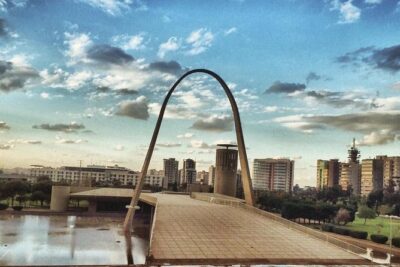
Private Full-Day Tour to Byblos and Tripoli from Beirut
Read our review →Browse the lists this tour appears in