
Reviewed · CITY TOURS
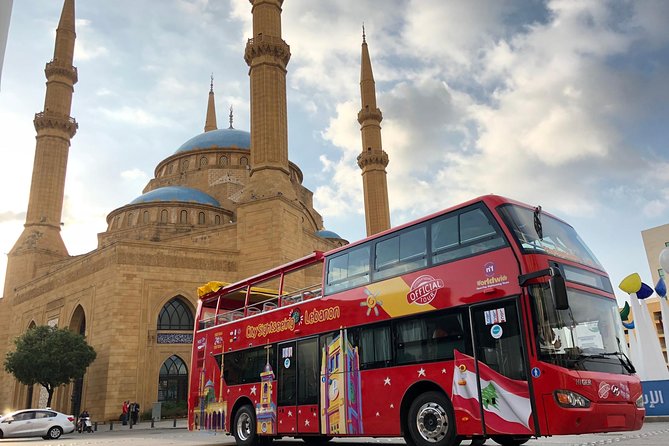
City Sightseeing Beirut Hop-On Hop-Off Bus Tour
Beirut’s hop-on hop-off bus links ancient ruins, museums, churches, mosques, shopping districts, and the Mediterranean coast in one easy circuit. The best moment comes at Raouche, or Pigeon’s Rock, where the open upper deck gives you a clear view of the famous offshore formation.
I like the included museum access and the chance to get your bearings before exploring on foot. I also like the multilingual commentary and helpful guides such as Simon, who has been praised for allowing time at good photo stops. The main caution is practical: the service may not operate as a true hop-on hop-off bus every day, and departure times can change.
Key points to know before you book
- Raouche delivers the best view: The stop at El Delie gives you an open view of Pigeon’s Rock and the Mediterranean.
- The ticket lasts 24 or 48 hours: Choose the longer option if you want to visit museums and return to the bus later.
- Museum access needs checking: The tour information refers to entry at the National Museum in one place and the MIM Mineral Museum in another, so confirm exactly what is included.
- The timetable can be thin: Buses are listed from 10:00 a.m. to 5:00 p.m., generally every 60 to 90 minutes, but actual departures may change.
- Commentary helps make sense of Beirut: Multilingual translation adds useful background as you pass churches, mosques, museums, and archaeological sites.
- A day-trip upgrade is available: You can add Jeita Grotto, Byblos, and Harissa if you want to see more of Lebanon beyond central Beirut.
Start at Martyrs’ Square and Beirut’s historic core
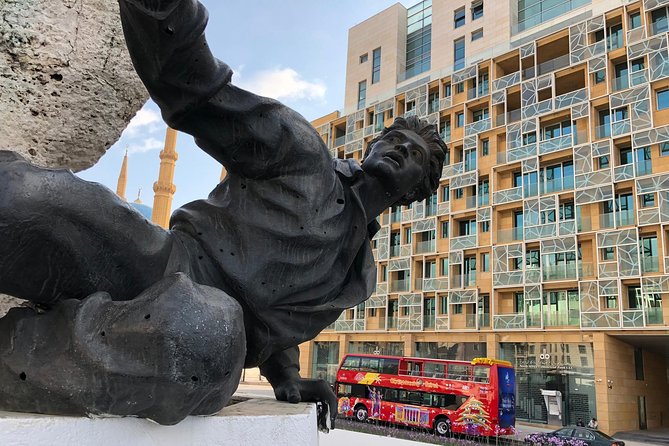
Martyrs’ Square is the natural starting point. It sits in the heart of Beirut and gives you an immediate sense of the city’s layered past, with a historic monument and an opera house nearby.
I would use this stop in two ways. First, take the full circuit without getting off if you want a quick overview. Then return to Martyrs’ Square, or another central stop, and begin exploring on foot. That approach helps you see how close several major sights are before you commit to a walking route.
The bus is especially useful if Beirut is new to you. You can watch the city change from central public spaces to older religious quarters, museums, shopping districts, and the coast without spending the first part of your visit deciphering streets and directions.
The next stop is the Saint Elias and Saint Gregory the Illuminator Armenian Catholic Cathedral. It adds a religious and cultural note to the route and reminds you that Beirut’s central districts contain several Christian traditions alongside its mosques and other places of worship.
At St. Nicolas Stairs, look for one of the city’s more distinctive urban details. Stairways are practical parts of Beirut’s terrain, but they also give neighborhoods a strong local character. You may prefer to stay on the bus if the weather is hot, yet this is a worthwhile place to hop off if you enjoy seeing how the city connects its streets and older quarters.
A few more Beirut trips to weigh up
- PRIVATE city Tour of authentic Tripoli and vibrant Batroun
★ 5.0 · 51 reviews - Private Baalbek City Tour
★ 5.0 · 14 reviews - PRIVATE tour to Jeita Grottos, Harissa Shrine & Byblos City
★ 5.0 · 12 reviews
Mosaic, museums, and Achrafieh
Villa Audi Mosaic Museum is one of the more unusual stops. Its focus gives the route a quieter artistic side, away from the large public monuments and major archaeological collections.
I would not rush this part of the circuit. If you enjoy decorative arts, the museum may deserve more time than the standard bus loop allows. Since buses may be 60 to 90 minutes apart, check the next departure before leaving the bus. A missed departure can turn a short museum visit into a long wait.
ABC Achrafieh shifts the mood again. It is a modern shopping stop in one of Beirut’s well-known districts. This will appeal to you if you need a break, a meal, or a convenient indoor stop, but it is not the reason I would book a sightseeing tour. Treat it as a useful pause rather than a major cultural highlight.
Beit Beirut, the Museum and Urban Cultural Center, offers a more serious look at the city. The stop connects Beirut’s urban life with its difficult recent past. You may want to allow extra time here, depending on current opening arrangements, because the bus schedule does not promise frequent service.
These early stops show the value of the route. Beirut is not a city that fits neatly into one theme. You move from religious architecture to stairways, decorative art, shopping, and urban memory within a few stops.
The National Museum stop and the ticket confusion
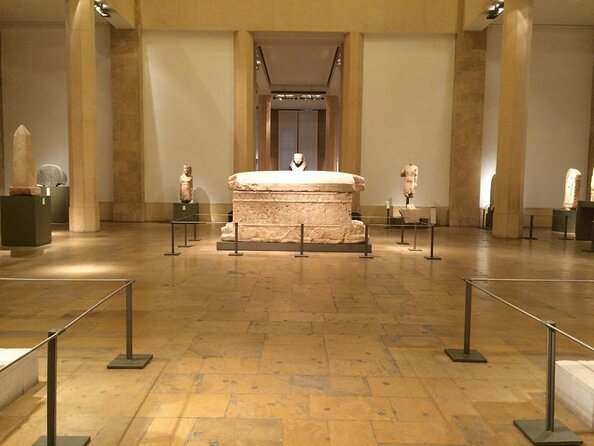
The National Museum of Beirut is one of the strongest reasons to consider this bus. Its collection covers thousands of years of Lebanese and Middle Eastern history, with archaeological objects that are difficult to see anywhere else.
If museum access is included with your ticket, that can improve the value considerably. A separate museum visit gives the bus ride a clear purpose, rather than making it only a transport loop.
But check the inclusion carefully before you pay. The tour details state that entry to the National Museum is included, while the included-items section names the MIM Mineral Museum instead. A French-language booking experience also raised concern about not receiving the expected National Museum entry. This is not a small distinction, since the two museums offer very different visits.
I would contact the operator before departure and ask exactly which museum entry your ticket covers. The published contact number is +961 76 910165. This simple check could prevent disappointment, especially if museum access is the main reason you choose this tour.
The National Museum stop itself is still valuable even if admission is not included. You can decide whether to pay separately, depending on the current arrangement and your schedule. Plan enough time for the exhibits, then confirm the next bus departure before going inside.
From Verdun to Raouche and Pigeon’s Rock
ABC Verdun is another modern shopping stop. Like ABC Achrafieh, it works best as a practical break rather than a central sightseeing target. If you need food or a short rest, it may fit your day. If your time in Beirut is limited, I would stay on the bus and save your hours for the museums, old center, and coast.
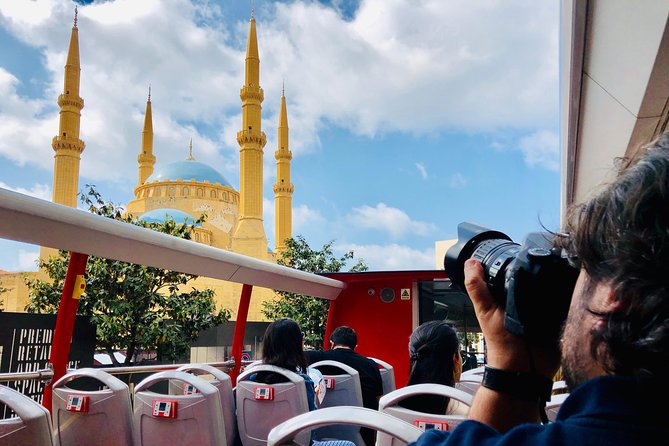
El Delie, also called Raouche, is the route’s visual high point. From the open-top deck, you can see the Mediterranean and the large offshore rock formation known as Pigeon’s Rock.
This is where the bus format earns its keep. You get a broad view without searching for the right road or walking a long distance to the shore. If weather is clear, sit upstairs for the approach and have your camera ready. The view is best treated as a stop, not just something to glimpse through a window.
You should also plan around the weather. The upper deck offers the best sight lines but little protection from strong sun. Bring water, and consider sitting below if conditions are uncomfortable. Food and drinks are not included, so carry your own provisions or plan a stop in town.
The Raouche stop is one of the two places where the service has at times allowed passengers to get off and back on during limited operations. That detail matters. Do not assume you can leave the bus at every marked point and return whenever you like. Confirm the day’s operating pattern first.
Same mountains and coast, a completely different kind of day:
- Guided Small-Group Tour to Baalbek, Anjar and Ksara with Lunch
★ 5.0 · 511 reviews - Guided Small-Group Tour to Jeita, Harissa, Byblos with Lunch
★ 5.0 · 361 reviews - Paragliding Trip Over Lebanon – Jounieh Bay
★ 5.0 · 257 reviews - Jeita Grotto,Harissa&Byblos Full-Day PRIVATE-CAR Trip from Beirut
★ 5.0 · 222 reviews
AUB’s archaeological collection and Beirut’s waterfront
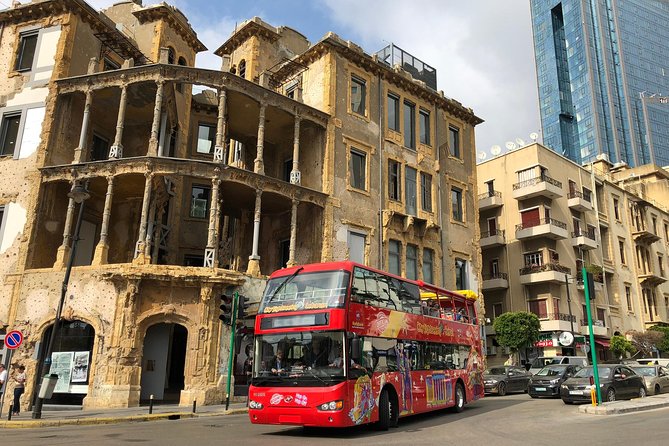
The American University of Beirut Archaeological Museum adds another museum option to the route. It can suit you if you want a smaller collection and a more focused look at archaeological material.
Because the bus makes a broad city circuit, this stop may be more convenient than arranging a separate ride. Still, the long interval between buses means you should keep an eye on time. If you stop at both the National Museum and the AUB museum, the 24-hour ticket becomes more useful than a quick one-hour circuit.
Zaytouna Bay brings you to Beirut’s modern waterfront. The setting is a contrast to the Roman remains, old cathedrals, and archaeological collections earlier in the day. It is a pleasant place to pause, walk, or find food, though dining costs are separate from the ticket.
Al Majidieh Mosque gives you another view of Beirut’s religious mix. The stop is part of the route’s larger strength: you are not seeing only one version of the city. The bus connects Christian churches, Islamic architecture, museums, business districts, and the coast in a single ride.
Cathedrals, Roman baths, and Mohammad Al Amin Mosque
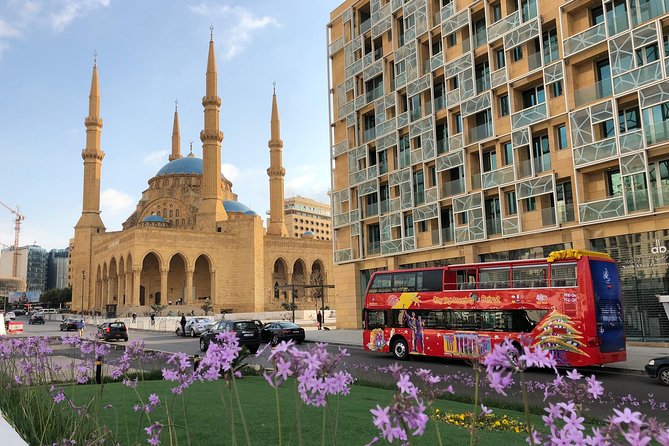
Saint George Greek Orthodox Cathedral is both a place of worship and a historical site with a museum. If you get off here, allow time to understand the building rather than treating it as a quick photograph.
Parking Roman Baths is one of the most important archaeological stops in central Beirut. The remains offer a direct link to the Roman city beneath the modern capital. You may not need a long visit, but this stop helps explain why Beirut can feel ancient even when surrounded by contemporary streets and offices.
The final stop, Mohammad Al Amin Mosque, is among the city’s most recognizable buildings. Its scale and prominent position make it a strong closing point for the central route. It also sits near several important sights, so you can continue on foot if your energy and schedule allow.
The route’s religious stops are best appreciated as part of the whole. You are not simply checking off buildings. You are seeing how several faiths and periods share the same compact center.
How the bus actually operates
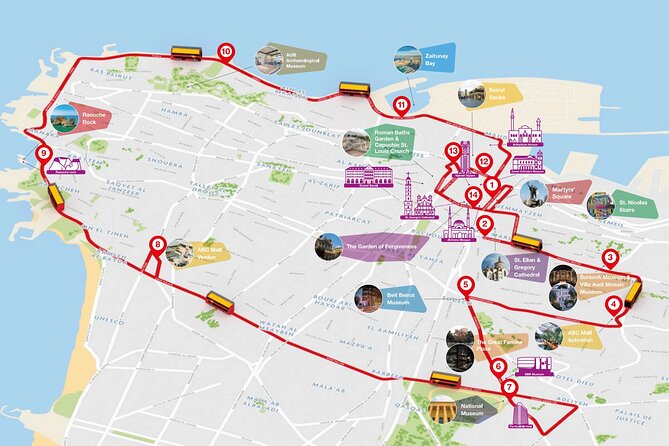
The tour is advertised with 24- or 48-hour access, unlimited rides, and a double-decker bus. On a fully functioning hop-on hop-off service, that would let you build your day around museums and neighborhoods, returning to the bus when you are ready.
The published operating window is 10:00 a.m. to 5:00 p.m., with buses generally every 60 to 90 minutes. Another timing description gives the full ride as about 120 minutes, while the tour summary describes a ride of roughly one hour. Treat both figures as estimates. Traffic, stops, and the day’s operating plan can affect the actual time.
The most important point is that the service may be reduced. Limited tourism and current conditions in Lebanon have, at times, meant only two departures in a day, with boarding and exit permitted at just two stops, including MIM Mineral Museum and Raouche Rocks.
That changes the product completely. It becomes closer to a scheduled panoramic city ride than a flexible bus network. Call +961 76 910165 on the day you plan to ride and ask:
- How many departures are running?
- Which stops allow you to get off?
- Where is the bus currently boarding?
- Is the National Museum or MIM Mineral Museum entry included?
- What time does the final bus leave?
The voucher can be shown on a phone or on paper, and it can be redeemed at any stop on the route. Flexible access is available for up to 12 months from the selected travel date, which is useful if your plans change, but it does not solve the problem of a reduced service during your current visit.
What the $23 price really buys you
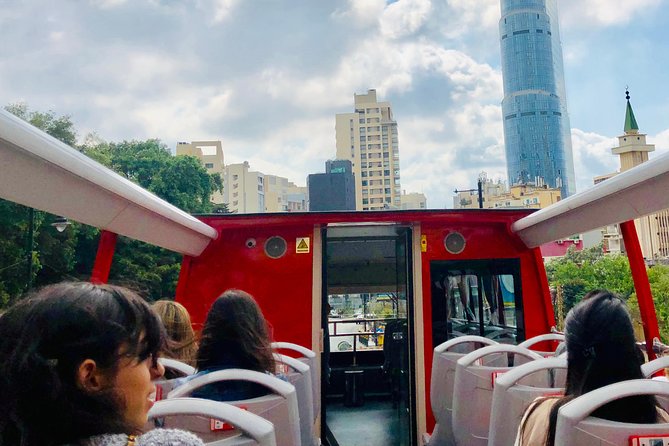
At $23, the tour is reasonably priced if you use it for a full circuit, museum access, and at least one or two return rides. The value is strongest for a first day in Beirut, when you want orientation without arranging several taxis or studying the city map.
The price is less attractive if only one or two departures operate. In that case, you are paying for the route and the view, but not the freedom usually associated with hop-on hop-off sightseeing.
The 48-hour option makes sense if you want to split the route. You could use one day for the full circuit and Raouche, then spend another day on the National Museum, AUB Archaeological Museum, Villa Audi Mosaic Museum, or Beit Beirut. The 24-hour ticket suits a short stay, provided the schedule works.
Food, drinks, and attraction entry are generally separate, so budget for those costs. The museum inclusion is the one item I would verify before booking.
The optional Jeita, Byblos, and Harissa day
You can upgrade the bus experience to include a day trip to Jeita Grotto, Byblos, and Harissa. This is useful if you want to combine Beirut with three well-known destinations outside the city and have limited time in Lebanon.
Keep the two experiences mentally separate. The city bus is an orientation ride with stops in central Beirut. The upgrade is a longer excursion beyond the capital, so it should be judged by its wider itinerary rather than by the convenience of the city loop.
The supplied details do not state the upgrade’s exact duration, departure schedule, or admission arrangements. Confirm those points before booking, especially for Jeita Grotto and any other attraction where entry may not be covered.
Guides, commentary, and the human side
The strongest service comes from the people running the bus. A guide named Simon has been praised for being sure passengers had time to leave the bus and take photos at the best places. That sort of practical help matters when the schedule is not obvious.
A friendly guide and professional driver can turn a basic city circuit into a useful introduction. Multilingual translation is also available, which helps you follow the story even if you do not speak Arabic, French, or English fluently.
Still, commentary cannot replace a reliable timetable. You need both clear explanations and accurate departure information. If the bus is running infrequently, listen closely to the guide’s instructions and ask where and when to reboard.
Who should book this Beirut bus tour?
I would recommend it most strongly to a first-time visitor who wants a broad look at Beirut before choosing which areas deserve more time. It also suits you if you prefer not to navigate the city by taxi or if you want a simple route between the center, museums, and Raouche.
Families and older visitors may appreciate the reduced walking, although the available information does not give detailed accessibility specifications. Museum fans can gain good value from a 24- or 48-hour ticket, but only after confirming the admission arrangement.
I would be cautious if you need a tightly timed sightseeing day. The changing schedule and possible reduction to two departures make this a poor choice for anyone who cannot tolerate waiting or altering plans.
Free cancellation is available if you cancel at least 24 hours before the local start time. Inside that window, the fare is not refunded, and changes are not accepted.
Should you book it?
Book this tour if you want a simple first look at Beirut, value the open-top view toward Pigeon’s Rock, and can stay flexible about timing. The museums, Roman baths, cathedrals, mosques, and waterfront make the route far more useful than a basic drive around the center.
Before paying, call the operator on the day of the ride. Confirm the bus departure, the stops where you can get off, and which museum entry is included. If the service is running normally, $23 can be a fair way to organize your first day. If only two departures are operating, treat it as a panoramic sightseeing ride, not a fully flexible hop-on hop-off system.
FAQ
How long does the Beirut bus tour take?
The full ride is described as approximately one to two hours. Published information gives both an approximate one-hour duration and a 120-minute operating duration, so allow extra time for traffic and stops.
What are the bus operating hours?
The bus is listed as operating from 10:00 a.m. to 5:00 p.m. Departures are generally every 60 to 90 minutes, but times can change. Call +961 76 910165 on the day of your tour.
Can I use a mobile voucher?
Yes. Mobile and paper vouchers are accepted. The voucher can be redeemed at any stop along the route.
Is museum admission included?
The tour information is inconsistent. One section states that National Museum of Beirut entry is included, while the included-items section names MIM Mineral Museum entry. Confirm the exact museum access with the operator before departure.
Does the ticket allow unlimited rides?
The 24- and 48-hour tickets are described as allowing unlimited rides. However, service may be reduced on some days, with only two departures and limited stops available for boarding and exiting.
Can I cancel the booking?
You can receive a full refund if you cancel at least 24 hours before the experience start time. Cancellations or changes made within 24 hours are not refunded or accepted.
Just added around Beirut
- Journey Through Time: Half-Day Private Tour to Baalbek★ 5.0 · 3 reviews
- Small Group Tours to Jeita Grotto and Byblos with tickets★ 5.0 · 3 reviews
- Wine Tasting and Culture★ 5.0 · 3 reviews
- Small-Group Tour with Lunch to Jeita Grotto, Byblos and Harissa★ 4.5 · 3 reviews
- Traveling Spoon Lebanese Mezze Private Online Cooking Class★ 5.0 · 4 reviews
- Beirut to Qadisha Valley, Bcharri & Cedar: Daily Tours with Lunch★ 4.5 · 3 reviews
- Small-Group Tour to Sidon, Tyre and Maghdouche with Lunch and Tickets★ 4.5 · 3 reviews
- Small-Group Tour with Lunch to Baalbek, Anjar and Ksara★ 5.0 · 3 reviews
City Tours, compared.
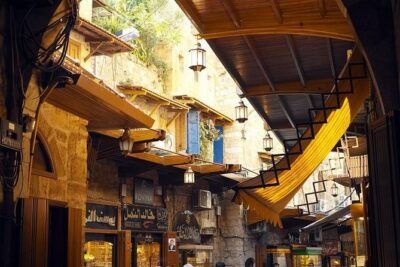
PRIVATE city Tour of authentic Tripoli and vibrant Batroun
Read our review →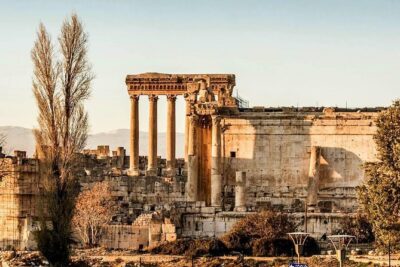
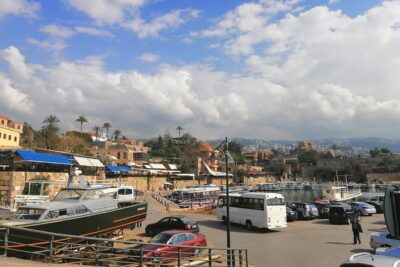
PRIVATE tour to Jeita Grottos, Harissa Shrine & Byblos City
Read our review →
Private Beirut City Tour with Boat Ride at Raouche Rock
Read our review →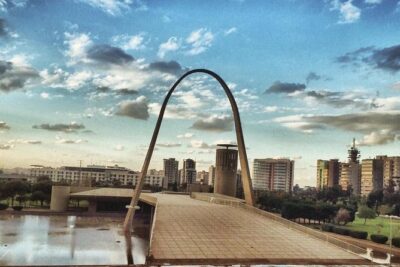
Browse the lists this tour appears in