
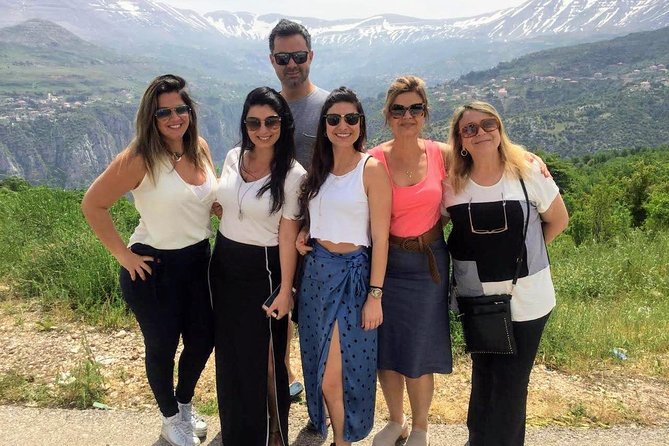
Reviewed · CEDARS OF LEBANON TOURS
Guided Small-Group Tour to Qadisha, Bcharee & Cedars with Lunch
The best part of this day is how much northern Lebanon you see in one sweep: steep Qadisha Valley, old monasteries, Bcharre’s mountain setting, Kahlil Gibran’s museum, and the ancient Cedars of God. This is a scenery-and-culture tour, not just a quick forest stop.
I like the small group, capped at 15, and the fact that lunch, hotel pickup, and drop-off are included. I also like the range of voices and places: guides such as Mike and Georgette bring the sites to life, while the itinerary moves from Christian monastic history to Lebanese literature and national symbols.
The main drawback is the pace. Nine hours covers a lot of ground, but the listed stops are fairly short, and the Gibran Museum admission is not included. You will see several major sights, but you will not have a full day for long walks or extended museum time.
Key points to know before booking
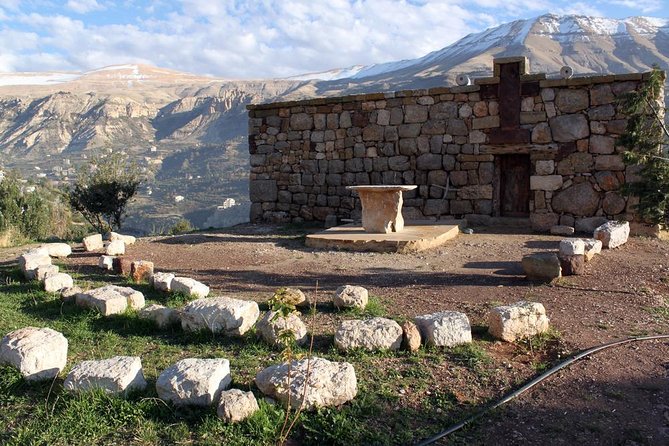
- Qadisha Valley gives the day its sense of place: You pass caves, monasteries, and cultivated terraces tied to some of the earliest Christian monastic settlements.
- Bcharre connects mountain life with Lebanese art: The town is linked to Kahlil Gibran, skiing, and a remarkable number of churches.
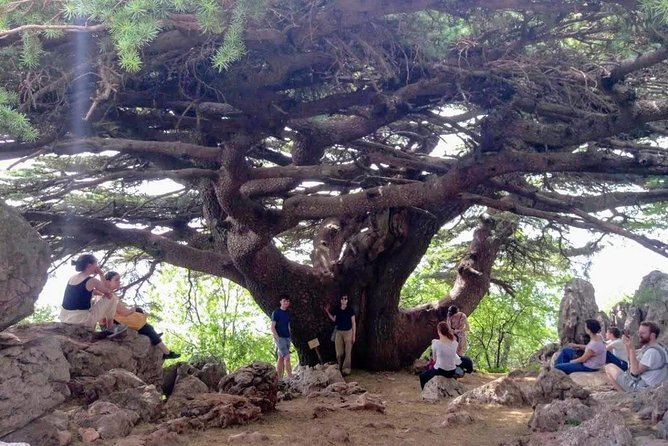
- The Cedars of God are more than a photo stop: The 375-tree forest is one of the few remaining areas where Lebanon’s famous cedar still grows.
- Deir Qozhaya adds a powerful religious site: The monastery sits at about 950 meters and has origins associated with hermits from the fourth century.
- The $65 price covers the practical essentials: You get transportation, lunch, hotel transfers, a guide, and a full day of sightseeing.
- Expect a compact group rather than a private tour: With up to 15 people, the vehicle should feel more personal than a large coach, but you still follow a shared schedule.
Why this northern Lebanon day trip works
From Beirut, this tour takes you into a very different part of Lebanon. The city gives way to mountain roads, deep valleys, old religious sites, and highland towns. You are not visiting one isolated attraction. You are tracing a connected story about faith, timber, art, and mountain communities.
The itinerary is especially useful if you have limited time in Lebanon. Qadisha Valley, Bcharre, the Cedars of God, and Deir Qozhaya each deserve more time than a single stop allows, but seeing them together gives you a strong first look at the region.
I also like the way the day balances famous sights with places that explain why the area matters. The cedars are the national symbol, but the monastery sites show how people lived in the mountains. Bcharre adds a modern cultural figure in Gibran, while the valley provides the older setting behind it all.
The tour begins at 8:30 am and lasts about nine hours. That makes it a full day, so you should expect a long outing rather than a relaxed half-day drive. The air-conditioned minibus matters here. Mountain roads and a full schedule are much easier when you can sit back between stops.
More Cedars of Lebanon tours in Beirut:
- Cedars of Lebanon, Qozhaya, & Bcharre – With Lunch (4G on Board)
★ 4.5 · 34 reviews - Cedars, Bsharre & Kozhaya Day Tour
★ 5.0 · 15 reviews - Small-Group Tour with Lunch to Qadisha Valley, Bcharre and Cedars
★ 5.0 · 12 reviews
Qadisha Valley and the first Christian monasteries
Qadisha Valley is the setting that gives this tour its strongest emotional pull. Its caves, monasteries, and cultivated terraces are linked to the early Christian communities that settled in the mountains. The valley is rugged, steep, and full of signs that people have used these remote places for worship and shelter for centuries.
You should pay attention to the relationship between the natural setting and the religious sites. The monasteries are not placed in a tidy historic center. They are associated with cliffs, caves, wooded slopes, and narrow parts of the valley. That makes the visit feel less like checking off a monument and more like seeing why hermits chose difficult places for a life apart.
The itinerary does not promise a long hike through the valley. Instead, the day uses the drive and monastery visits to introduce the area. This is good for you if you want broad coverage without committing to a strenuous walking day. If your main goal is a deep hiking experience, you may find the scheduled stops too brief.
The guide’s explanations are important here. Qadisha contains religious and historical details that are not always obvious from the road. A guide such as Mike or Georgette can help connect the caves, monasteries, and terraces to the wider story of Christianity in Lebanon.
Bcharre, a mountain town with 37 churches
The stop in Bcharre lasts about 30 minutes, with no admission charge listed. That is enough to get a feel for the town and its setting, but not enough for a long independent exploration.
Bcharre is known as the birthplace of Kahlil Gibran, the Lebanese poet, painter, and sculptor. It is also associated with the Cedars Ski Resort and Lebanon’s first ski lift, built in 1953. That combination gives the town more range than a simple mountain village. It connects literature, art, winter sports, and local religious life.
The town is sometimes called the city of churches because it has about 37 churches. Even with a short visit, that detail helps explain the area’s character. Bcharre is part of a region where Christian traditions are visible in the built environment, not just in museum displays or guidebook descriptions.
You should treat this stop as an introduction rather than a full town tour. The value comes from the context your guide provides and from the chance to see the place tied to Gibran and the cedar forests. If you want time for cafés, shopping, or a longer look at local streets, the schedule may feel tight.
The Gibran Museum and Kahlil Gibran’s work
The Gibran Museum is located in what was formerly the Monastery of Mar Sarkis. It is dedicated to Kahlil Gibran and includes 440 original paintings and drawings, along with his tomb, furniture, personal belongings, and private manuscripts.
For many people, this will be the most focused cultural stop of the day. The cedars and monasteries give you the broad setting, while the museum lets you spend time with one person whose writing and art made Bcharre famous far beyond Lebanon.
The collection also has a personal angle. You are not looking only at finished artworks. The museum includes material from Gibran’s studio in New York City, as well as his manuscripts and possessions. That makes the visit useful for anyone interested in how his public work connects with his private life.
The scheduled visit is about 30 minutes, and admission is not included in the tour price. That is the clearest extra cost to keep in mind. Thirty minutes can work for a focused visit, but you will need to move at a steady pace if you want to see the collection properly.
I would pay attention to the time here. The museum is a distinct experience from the valley and forest, and it is easy to wish for longer once you begin looking at the artwork. Still, its inclusion gives the day a welcome change of subject.
More Qadisha Valley tours in Beirut:
- Small Group Tours to Qadisha Valley, Bcharre and Cedars with lunch and all fees
★ 5.0 · 9 reviews - Private Trip to Qadisha Valley, Cedars Forest of God and Baalbek Temples
★ 4.5 · 6 reviews - Private Trip to Qadisha Valley, Bcharri and Cedars of God
★ 5.0 · 6 reviews - Beirut to Qadisha Valley, Bcharri & Cedar: Daily Tours with Lunch
★ 4.5 · 3 reviews
Cedars of God, Lebanon’s national symbol
The Cedars of God forest is one of the tour’s central stops, with about 45 minutes set aside for the visit. Admission is included, so you do not need to budget a separate ticket here.
The forest contains 375 trees and is described as one of the last remaining sections of Lebanon’s old cedar forests. The cedar is more than a scenic tree in Lebanon. It is a national symbol, appears on the Lebanese flag, and has long been prized as a building material.
The cedar’s importance reaches back to ancient times. It was used in major religious buildings and is cited 103 times in the Bible. Your guide can help put the trees in context, so you understand why this small remaining forest carries such weight.
Forty-five minutes is enough for a meaningful look and photographs. It is not a long forest walk, and you should not expect a full nature excursion. The stop works best if you take your time with the trees themselves rather than rushing from one viewpoint to another.
I especially like that this visit is paired with Qadisha and Deir Qozhaya. The cedar forest can seem like a stand-alone attraction, but the surrounding religious sites show how timber, mountain settlement, and faith have been connected in this part of Lebanon.
Deir Qozhaya and centuries of hermit life
Deir Qozhaya, also known as the Monastery of Saint Anthony the Great, sits at about 950 meters above sea level in the Qozhaya Valley. The stop lasts around 45 minutes and has no admission charge listed.
The monastery is associated with hermits who may have occupied the site as early as the beginning of the fourth century. It was looted, burned, and destroyed several times, yet remains connected with traces dating to the seventh century. That history gives the visit a serious, weathered quality.
The setting matters as much as the buildings. Pine and oak trees cover the hills around the monastery, while fruit trees grow along the valley. Qozhaya extends toward Qannubin and forms part of the wider Qadisha Valley, so this stop reinforces the geographical and religious links introduced earlier in the day.
You will have enough time for a focused visit, but not for an extended study of every feature. The tour is designed to show you the place and explain its role, not to offer a specialist architectural examination. That is a fair trade if your goal is to understand the region as a whole.
This was the kind of stop I would value most if I wanted to connect Lebanon’s mountain scenery with its religious past. The monastery is not simply old. It represents a long tradition of people seeking solitude and spiritual life in difficult terrain.
Lunch and the practical value of the $65 price
At $65 per person, this tour offers solid value for a full day in northern Lebanon. The price includes an air-conditioned vehicle, hotel pickup and drop-off, lunch, a guide, and access to the Cedars of God. Deir Qozhaya and Bcharre have no admission charge listed.
The Gibran Museum is the main stated extra. Its admission is not included, so check the current ticket cost when you book or before you set out. That small addition does not change the overall value much, but it is better to know about it in advance.
Lunch is another useful inclusion. A full-day trip through mountain areas is easier when you do not have to arrange your own midday meal. The food is described as a fresh, authentic Lebanese lunch, and one account places the meal in a beautiful mountain restaurant where the setting felt unusually still and removed from daily noise.
Do not choose this tour because you expect a long gourmet meal. The purpose is to keep the day moving while giving you a taste of local food. The meal is part of the experience, not a separate culinary tour.
The hotel transfers also add real value in Beirut. You do not need to arrange transport to a distant meeting point, and you can return to your hotel after a long day. Pickup is offered, with the scheduled start at 8:30 am.
Small-group transport and the pace of the day
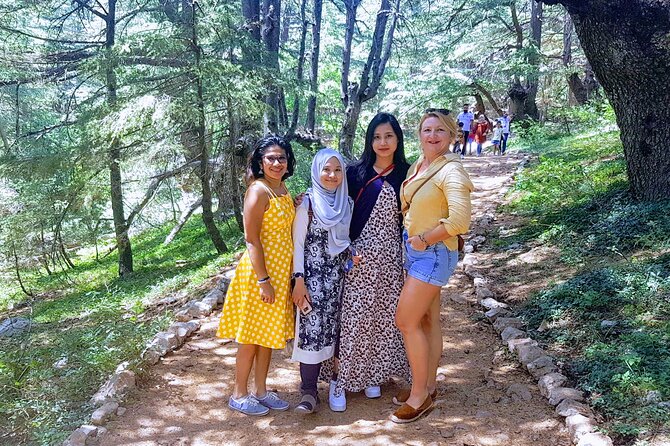
The group is limited to 15 people and travels by air-conditioned private minibus. That is a useful middle ground. You get a shared tour with a guide, but you avoid the scale of a large bus group.
A smaller group can also make explanations easier to hear and stops less awkward. It may be possible to ask more questions, especially on subjects such as Gibran, the monasteries, or Lebanon’s cedar forests. Still, 15 people is not the same as a private guide. You will follow the group timetable.
The day runs for about nine hours, and the listed stop lengths show the pace clearly:
- Qadisha Valley forms the wider route and historical setting.
- Bcharre receives about 30 minutes.
- The Gibran Museum receives about 30 minutes.
- Cedars of God receives about 45 minutes.
- Deir Qozhaya receives about 45 minutes.
- Lunch fits into the full-day schedule.
The schedule is well suited to first-time sightseeing. You see the main highlights without having to plan multiple transfers. The tradeoff is that independent visitors who prefer long walks, quiet reflection, or detailed museum visits may want more time at each site.
The vehicle’s climate control is especially welcome on a full-day mountain trip. You can focus on the views and conversation instead of worrying about the practical strain of getting between scattered sites.
Who will get the most from this experience
I would recommend this tour if you want a broad, well-organized introduction to northern Lebanon. It is a strong match for you if you are interested in religious history, mountain scenery, Lebanese literature, and national symbols all at once.
It should also suit you if you are staying in Beirut and do not want to arrange a complicated day of transport. Hotel pickup, lunch, and a guide remove much of the planning work.
The tour is less suitable if you want a quiet private outing or a serious hiking day. The group can reach 15 people, the schedule is full, and several stops are limited to 30 or 45 minutes. You also need to be comfortable spending most of the day on the road and moving between sites.
Most people can participate, according to the tour information, but specific mobility details are not provided. If you have concerns about walking, uneven ground, or access at the monasteries and forest, ask the provider before booking.
The experience has received a 4.9 rating from 39 reviews, with 97 percent recommending it. I would read those figures as a sign that the tour delivers well on its main promise: a memorable day linking Qadisha, Bcharre, and the cedars.
Should you book this Qadisha and Cedars tour?
Book it if you want to see the major northern Lebanon sights in one manageable day and value transportation, lunch, and a guide. The combination of Qadisha Valley, Bcharre, Gibran’s museum, Cedars of God, and Deir Qozhaya is hard to arrange as neatly on your own.
The strongest parts are the mountain scenery, the religious sites, and the chance to understand why the cedar matters to Lebanon. Guides such as Mike and Georgette have been singled out for clear, engaging explanations, which is important at places where the meaning is not obvious from the view alone.
Skip it if you need long visits, extensive walking, or a private schedule. For most people looking for a practical first look at northern Lebanon, though, $65 is a fair price for a full day with hotel transfers, lunch, and a small group.
FAQ
What time does the tour start?
The tour starts at 8:30 am.
How long does the tour last?
The experience lasts approximately nine hours.
Is hotel pickup included?
Yes. Hotel pickup and drop-off are included.
How many people can join the tour?
The group has a maximum of 15 participants.
Is lunch included?
Yes. Lunch is included, with food described as a fresh and authentic Lebanese meal.
Is admission to the Gibran Museum included?
No. Admission to the Gibran Museum is not included in the tour price.
Can I cancel for a full refund?
Yes. You can cancel at least 24 hours before the local start time for a full refund. Changes or cancellations made less than 24 hours before the start time are not accepted for a refund.
More Lunch Experiences in Beirut
- Guided Small-Group Tour to Baalbek, Anjar and Ksara with Lunch
★ 5.0 · 511 reviews - Guided Small-Group Tour to Jeita, Harissa, Byblos with Lunch
★ 5.0 · 361 reviews - Anjar, Baalbek & Ksara Day Trip – With Lunch (4G on Board)
★ 4.5 · 181 reviews - Byblos, Jeita Grotto & Harissa Day Trip -With Lunch (4G on Board)
★ 4.5 · 145 reviews
Just added around Beirut
- Journey Through Time: Half-Day Private Tour to Baalbek★ 5.0 · 3 reviews
- Small Group Tours to Jeita Grotto and Byblos with tickets★ 5.0 · 3 reviews
- Wine Tasting and Culture★ 5.0 · 3 reviews
- Small-Group Tour with Lunch to Jeita Grotto, Byblos and Harissa★ 4.5 · 3 reviews
- Traveling Spoon Lebanese Mezze Private Online Cooking Class★ 5.0 · 4 reviews
- Beirut to Qadisha Valley, Bcharri & Cedar: Daily Tours with Lunch★ 4.5 · 3 reviews
- Small-Group Tour to Sidon, Tyre and Maghdouche with Lunch and Tickets★ 4.5 · 3 reviews
- Small-Group Tour with Lunch to Baalbek, Anjar and Ksara★ 5.0 · 3 reviews
Cedars of Lebanon Tours, compared.
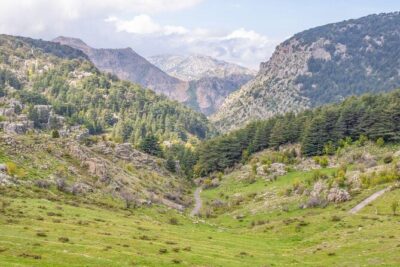
Cedars of Lebanon, Qozhaya, & Bcharre – With Lunch (4G on Board)
Read our review →
Cedars Shouf & Beiteddine w/pick-up, guide, entries+lunch
Read our review →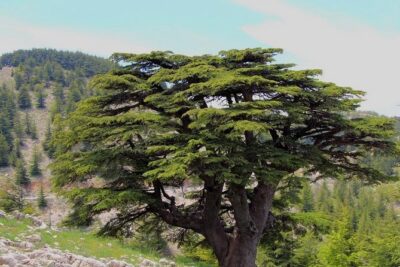
Guided small group to Cedars Reserve & Beiteddine w/lunch+entries
Read our review →
Small-Group Tour with Lunch to Qadisha Valley, Bcharre and Cedars
Read our review →
Guided Full-Day Private Trip to Cedars, Baalbek and Chateau Ksara
Read our review →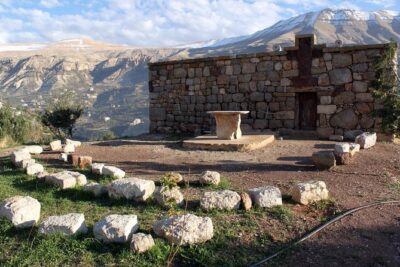
Small Group Tours to Qadisha Valley, Bcharre and Cedars with lunch and all fees
Read our review →
Private Trip to Qadisha Valley, Bcharri and Cedars of God
Read our review →Browse the lists this tour appears in