
Reviewed · WINE TOURS
Journey Through Lebanese Wine: A Private Tour in the Beqaa Valley
Lebanon’s Beqaa Valley gives you a different view of the country, one shaped by vineyards, mountain air, and a winemaking tradition that reaches back well before modern tourism. This private day trip takes you from Beirut to three wineries, with a driver, air-conditioned vehicle, hotel pickup, and a guide to keep the day moving.
I like the private format, since your group can travel at its own pace instead of sharing a vehicle with strangers. I also like the mix of wineries: Château Ksara brings long-established scale, Château Kefraya offers a large hillside vineyard, and Château St Thomas adds a family-run story tied to arak and wine. The main consideration is that the $65 price does not include lunch or winery admission fees, so you should budget for those extras.
Key points to know before you book
- Three very different wineries: See Lebanon’s oldest and largest winery, a 300-hectare estate, and a family wine producer founded in 1990.
- A full day from Beirut: The tour begins at 9:00 am and lasts about eight hours, including the drive to and from the Beqaa Valley.
- Private transport included: Your group gets hotel pickup, hotel drop-off, an air-conditioned vehicle, and a driver.
- Wine tastings are part of the day: You sample different Lebanese wines while learning about local production.
- Guide Imad has earned special praise: His history-focused storytelling and ability to tailor the day were singled out as a major strength.
- Extra costs need planning: Lunch and admission tickets are not included in the $65 price.
Why the Beqaa Valley makes this more than a winery outing
The Beqaa Valley is the setting that gives this trip its character. You leave Beirut and spend the day in one of Lebanon’s main wine-producing areas, learning how altitude, soil, temperature, and family tradition shape the bottle in your glass.
That setting matters because Lebanese wine is not simply an imported style made in a warm climate. The wineries on this route use local conditions in different ways. Château Kefraya’s vines grow on terraced slopes about 1,000 meters above the Mediterranean Sea. Day and night temperatures vary sharply there, helping the grapes ripen under conditions the winery considers well suited to harvesting.
You also get a useful sense of scale. Château Ksara produces about three million bottles each year and exports to more than 40 countries. Château St Thomas, by contrast, is a 65-hectare estate built around the work of one family. Seeing both helps you understand that Lebanese wine includes large, established producers as well as smaller operations with a strong personal link to the land.
I appreciate that the tour does not reduce Lebanon’s wine story to modern tasting rooms. Château Ksara was founded in 1857 by Jesuit priests and developed the country’s first dry wine. Château St Thomas carries a different tradition through its connection with arak, Lebanon’s national drink, and the Touma family’s long experience with distillation and fermentation.
A few more Beirut trips to weigh up
- Lebanon Wine Tasting Tour From Beirut
★ 4.5 · 25 reviews - PRIVATE Tour of Baalbek Temples, Umayyad Anjar & Ksara Winery
★ 5.0 · 12 reviews - Anjar, Baalbek & Ksara Winery
★ 5.0 · 11 reviews
Leaving Beirut in a private vehicle at 9:00 am
The day starts with pickup from your Beirut hotel at 9:00 am. Since transport is private, only your group takes part, and you do not need to find a meeting point across the city or manage a rental car on your own.
That arrangement is especially useful for a wine tour. You can focus on the scenery and tastings rather than directions, parking, or deciding who has to drive back. The vehicle is air-conditioned, which is a practical comfort on a full day that includes road time and three winery visits.
The tour includes a driver and a tour leader. Guide Imad has been praised for explaining Lebanese history throughout the trip and for shaping the day around the group. If he is assigned to your outing, you can expect the guide’s role to be more than pointing out the next tasting room. The strongest part of this format is the chance to connect wine production with Lebanon’s past, local customs, and the Beqaa Valley itself.
The private setup also gives you room to ask questions. You might want to compare grape varieties, ask how arak differs from wine, or spend more time discussing the history of one producer. The supplied details do not promise a custom number of tastings or a fixed lunch stop, so ask the operator what the day’s exact schedule will be when you book.
Château Ksara and the start of Lebanon’s modern wine story
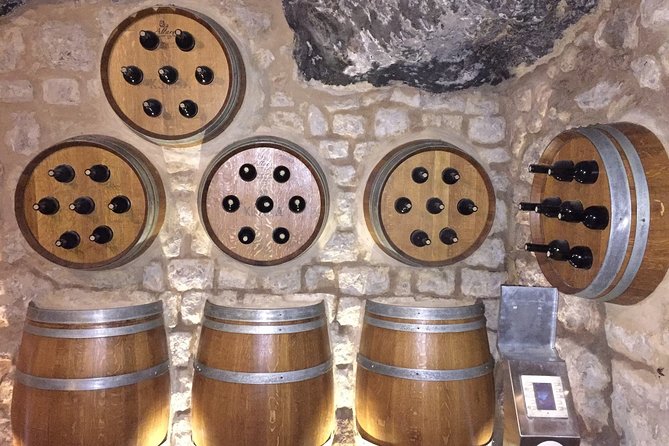
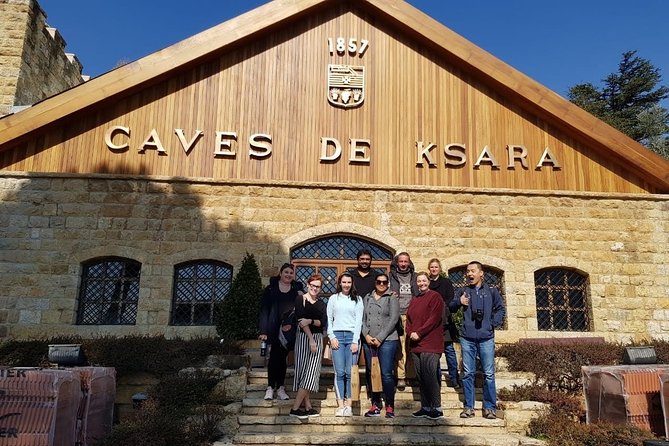
Your first winery is Château Ksara, founded in 1857 by Jesuit priests. It is described as Lebanon’s oldest and largest winery, and it developed the first dry wine in Lebanon.
This is a strong opening stop because it gives you historical context before the day moves into vineyard details. You are not starting with an unknown producer. You are beginning with a company that helped shape Lebanese wine and remains the country’s most popular winery.
Château Ksara produces roughly three million bottles a year and sends its wines to more than 40 countries. That export reach gives you a useful point of comparison later in the day. At Ksara, you see the scale and reach of a major Lebanese wine company, then compare it with the more focused production at the other two estates.
The visit lasts about one hour. Admission is not included, so keep that separate from the tour price. The available information does not specify exactly how many wines you taste, the format of the cellar visit, or the admission charge. I would confirm those details in advance rather than assume the tasting fee is covered.
The possible drawback is that a large, well-known winery may feel less intimate than a family estate. Still, its long connection to Lebanese winemaking makes it an important stop, particularly if you want historical background rather than three nearly identical tastings.
Château Kefraya at 1,000 meters above the Mediterranean
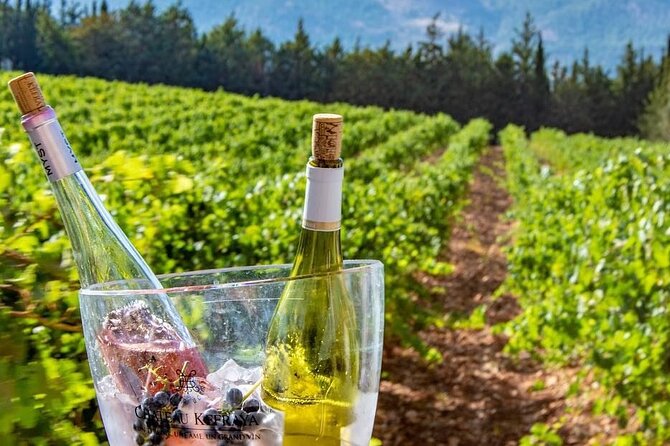
The second stop is Château Kefraya, where the vineyard covers 300 hectares of terraced slopes. The estate sits about 1,000 meters above the Mediterranean Sea, giving you a different physical setting from a lowland winery or an urban tasting room.
The vineyard’s design and scale are part of the appeal. The vines are mainly trellised, with a planting density of about 4,000 vines per hectare. Those details may sound technical, but they help explain why the estate feels like a serious agricultural operation rather than a small cellar with a few vines outside.
Château Kefraya works with a broad range of grape varieties in its blends. The estate also points to varied soil and major day-to-night temperature changes as key parts of its growing conditions. For you, that means this stop is a good place to ask how altitude and temperature affect ripening and the final character of the wine.
The visit lasts about an hour, and admission is not included. The information provided does not state which specific wines are served or whether vineyard access changes with the season, so treat the stop as a guided winery visit with tastings rather than expecting a particular bottle or harvest activity.
I like Kefraya’s place in the route because it follows Ksara with a different lesson. Ksara shows historic importance and large production. Kefraya lets you think about terrain, vineyard planning, grape selection, and the conditions needed to bring grapes to full ripeness.
Same mountains and coast, a completely different kind of day:
- Guided Small-Group Tour to Baalbek, Anjar and Ksara with Lunch
★ 5.0 · 511 reviews - Guided Small-Group Tour to Jeita, Harissa, Byblos with Lunch
★ 5.0 · 361 reviews - Paragliding Trip Over Lebanon – Jounieh Bay
★ 5.0 · 257 reviews - Jeita Grotto,Harissa&Byblos Full-Day PRIVATE-CAR Trip from Beirut
★ 5.0 · 222 reviews
Château St Thomas and the Touma family tradition
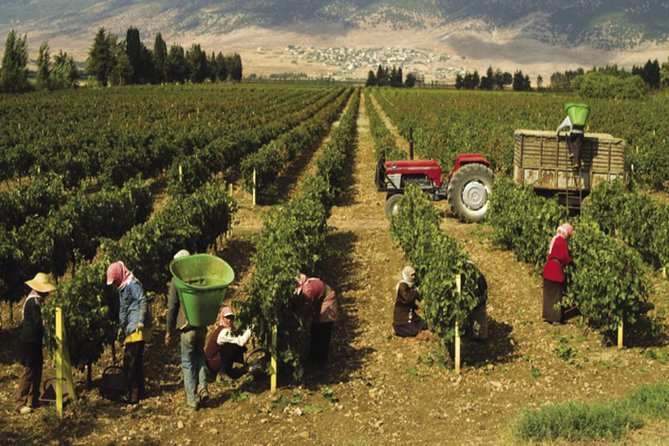
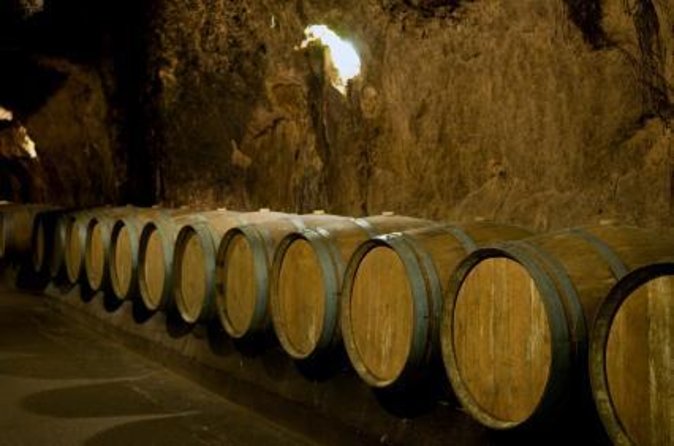
The final winery is Château St Thomas, a 65-hectare vineyard and wine storehouse for fermentation and ageing. The estate was founded in 1990 by Saïd Touma and his family on a hill overlooking the Beqaa Valley.
This stop adds a personal thread to the day. Saïd Touma had more than 55 years of experience in distillation and grape-juice fermentation, and he inherited the family tradition of producing arak. He passed that legacy to his son, Joe-Assaad. The winery therefore connects wine with a wider Lebanese drinks tradition instead of treating each product as a separate story.
The site includes facilities for fermentation and ageing, so you can consider what happens after grapes leave the vineyard. As with the other stops, the visit is planned for about one hour and the admission ticket is not part of the tour price.
Château St Thomas may be the stop that gives the day its most human scale. You have already seen the large output of Ksara and the broad vineyard acreage of Kefraya. Here, the family’s history and experience help show how wine production can remain tied to a particular household and its skills.
The details do not specify the exact wine lineup, the availability of arak tastings, or the number of bottles served. Do not assume that an arak tasting is included simply because the family has a long arak tradition. Ask before booking if that is important to you.
What the private format adds to an eight-hour day
A wine tour can become tiring when every stop follows the same script. This one has a better chance of feeling varied because the wineries differ in age, size, setting, and family background. The private vehicle also removes much of the stress that can come with a full-day outing beyond Beirut.
You get hotel pickup and drop-off, which is worth more than it first appears. Beirut traffic and unfamiliar roads can make a self-drive day awkward, especially when the itinerary reaches the Beqaa Valley. With a driver handling the route, you can give your attention to the guide and the tastings.
The private format is also good for groups with different interests. One person might care about grape varieties, another about Lebanese history, and another about the views or the tasting itself. A guide such as Imad can adjust the conversation instead of giving a fixed speech to a large busload.
The tradeoff is that you are paying for a private experience, but the base price still leaves out lunch and admissions. At $65 per person, the value is strongest if you want transport and a dedicated group arrangement without organizing three separate winery visits yourself. The final cost will be higher once you add entrance fees and food.
Group discounts are offered, though the amount is not specified. If you are traveling with several people, ask how the discount works before booking. A private trip can become a good deal for a small group, especially when the cost is divided among several participants.
Food, timing, and practical planning
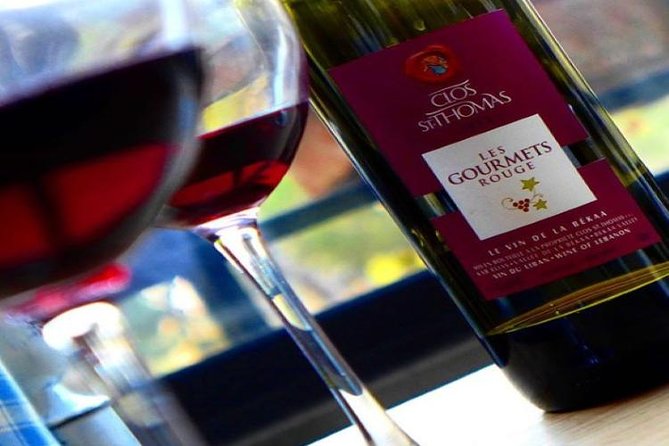
Lunch is not included. The tour lasts about eight hours, and the route includes three one-hour winery visits, so you should clarify when and where lunch fits into the day. The provided details do not name a restaurant or promise a meal stop.
I would start the morning with a proper breakfast and carry water. You may also want to ask if you can bring snacks in the vehicle, since no food arrangement is listed. Those are simple questions, but they matter on a full-day trip outside Beirut.
The start time is fixed at 9:00 am. Pickup and drop-off are included at your Beirut hotel, but the information does not say how long the drive takes or provide an exact return time. Plan for a full day rather than scheduling a tight evening commitment immediately afterward.
Wine tasting also calls for a little restraint. Three wineries in one day can be enjoyable, but the amount you sample and your own tolerance will shape the experience. The private vehicle means you do not need to drive, which is a major benefit, but it does not make overindulgence a good idea.
Confirmation is provided at booking, and most people can participate. If you have a concern about walking, hills, or the amount of time spent on your feet, ask the operator directly because the available details do not describe specific accessibility arrangements.
Who will get the most from this Beqaa Valley tour
I would choose this outing if you want to see more of Lebanon than Beirut and have a real interest in wine, agriculture, or local history. It suits couples, families, and small groups who value a private vehicle and direct attention from a guide.
It is also a good fit if you prefer a structured day. The route already includes three wineries, so you do not need to research producers, negotiate transport, or work out how to connect the estates. Hotel pickup and drop-off make the day easy to add to a Beirut stay.
You may want a different kind of outing if you dislike long road days, have little interest in wine, or want a relaxed lunch-centered experience. The tour visits three producers in one day, and each stop lasts about an hour. That gives you variety, but not unlimited time at any one estate.
The tour is less suited to someone looking for a detailed cellar course or a guaranteed focus on one grape variety. The information promises tastings and historical explanation, but it does not provide a technical tasting syllabus, a named wine list, or exact admission details.
Is $65 a fair price?
At $65 per person, the tour covers private transport, hotel pickup and drop-off, a tour leader, and an air-conditioned vehicle for about eight hours. That is a reasonable package for anyone who would otherwise need to arrange a private car and driver for a full day in the Beqaa Valley.
The price is not all-inclusive. Lunch and admission tickets are extra, and the amount of those fees is not stated. If you are comparing this with a group excursion, calculate the likely add-ons before deciding. The private nature of the trip may justify the cost for a group, while a solo visitor should look closely at the final total.
The value also depends on how much you care about context. If all you want is a single tasting, this is more time and money than necessary. If you want three contrasting producers plus a guide who can explain Lebanon’s wine story, the package makes better sense.
Cancellation and booking details to keep in mind
You can cancel for a full refund if you do so at least 24 hours before the experience begins. Cancellations made within 24 hours are not refunded, and changes within that period are not accepted.
The cutoff uses local time. Confirmation arrives when you book, and the activity is private, so only your group participates. Mobile tickets are offered, and group discounts may be available.
Should you book this private wine day?
Book it if you want a straightforward way to reach the Beqaa Valley, visit three established Lebanese wineries, and learn about wine from a guide rather than simply tasting without context. The combination of Château Ksara’s 1857 origins, Château Kefraya’s high terraced vineyards, and Château St Thomas’s Touma family story gives the day a clear sense of variety.
I would be especially inclined to book for a small group that can share the private vehicle cost. Guide Imad’s ability to explain history and tailor the outing is another reason this experience can feel more personal than a standard bus tour, though you should confirm who will lead your date.
Before paying, ask for the current admission charges, lunch plan, expected return time, and whether arak is included at Château St Thomas. If those extras fit your budget, this is a practical and engaging way to pair Beirut with a very different side of Lebanon.
FAQ
Where does the tour start?
Pickup is offered from your Beirut hotel. The stated start time is 9:00 am.
How long does the tour last?
The experience lasts approximately eight hours.
Which wineries are included?
The route includes Château Ksara, Château Kefraya, and Château St Thomas.
Is transportation included?
Yes. The tour includes transport in a private, air-conditioned vehicle, along with hotel pickup and drop-off.
Is lunch included?
No. Lunch is not included in the tour price.
Are winery admission tickets included?
No. Admission tickets for the winery visits are not included.
Can I cancel for a full refund?
Yes, if you cancel at least 24 hours before the experience start time. Cancellations made less than 24 hours in advance are not refunded.
Just added around Beirut
- Journey Through Time: Half-Day Private Tour to Baalbek★ 5.0 · 3 reviews
- Small Group Tours to Jeita Grotto and Byblos with tickets★ 5.0 · 3 reviews
- Wine Tasting and Culture★ 5.0 · 3 reviews
- Small-Group Tour with Lunch to Jeita Grotto, Byblos and Harissa★ 4.5 · 3 reviews
- Traveling Spoon Lebanese Mezze Private Online Cooking Class★ 5.0 · 4 reviews
- Beirut to Qadisha Valley, Bcharri & Cedar: Daily Tours with Lunch★ 4.5 · 3 reviews
- Small-Group Tour to Sidon, Tyre and Maghdouche with Lunch and Tickets★ 4.5 · 3 reviews
- Small-Group Tour with Lunch to Baalbek, Anjar and Ksara★ 5.0 · 3 reviews
Wine Tours, compared.
PRIVATE Tour of Baalbek Temples, Umayyad Anjar & Ksara Winery
Read our review →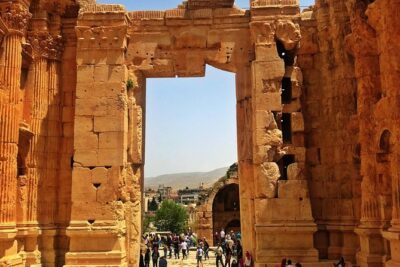
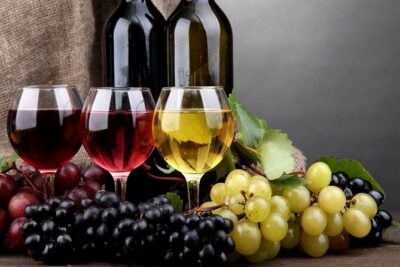
PRIVATE Wine Tasting Tour to the Bekaa Valey Fabulous Wineries
Read our review →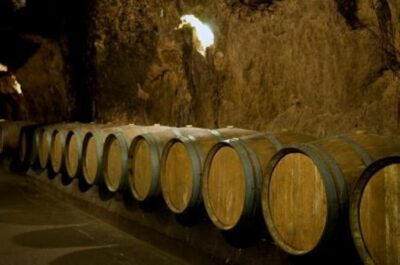
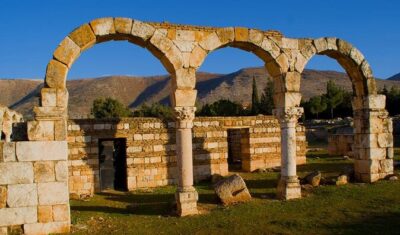
Baalbek, Anjar & Wine: A Journey Through Lebanon’s Heritage
Read our review →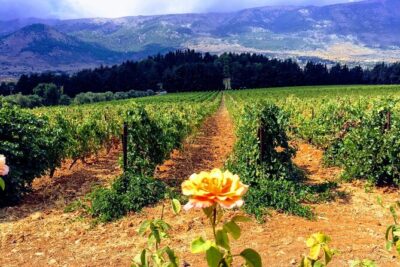
Browse the lists this tour appears in