
Reviewed · BAALBEK AND ANJAR TOURS
Baalbek Temples & Ksara Caves w/pick-up & multilingual guide
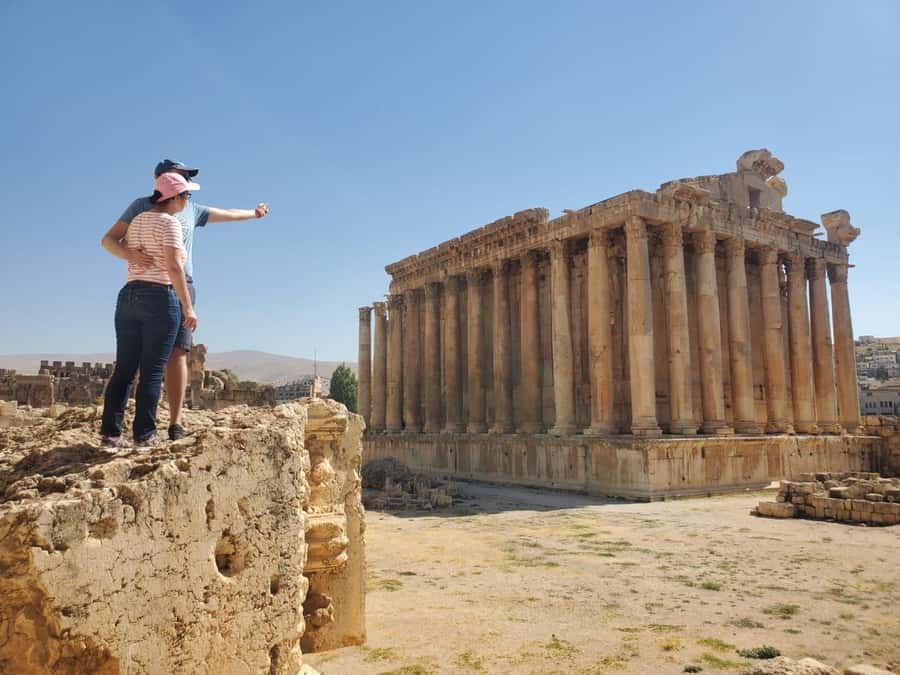
Baalbek is the star here: its Roman ruins are so massive that even a short visit leaves a strong impression. You’ll walk among the Temple of Jupiter’s enormous columns and the better-preserved Temple of Bacchus before heading to Château Ksara, where old underground caves add a completely different side of Lebanon.
I like the pairing of ancient archaeology and living wine tradition, and I like the ease of hotel pickup from Beirut in a comfortable vehicle. The main drawback is time. Baalbek gets about two hours, and one past guest found the visit rushed, especially after a later-than-ideal start.
Key points
- Baalbek’s Temple of Jupiter and Temple of Bacchus: See some of the largest and most striking Roman remains in the region.
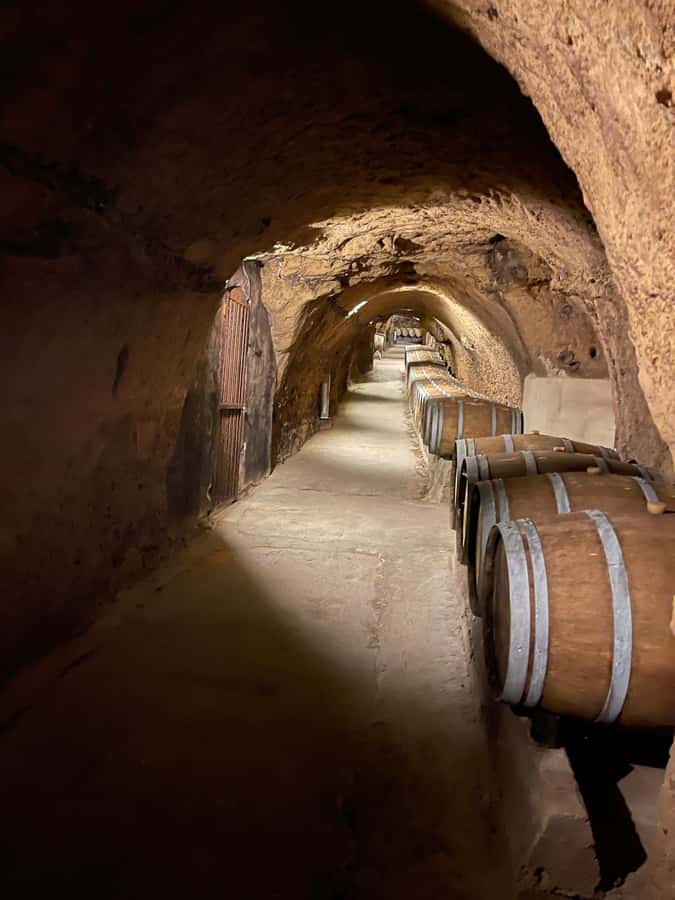
- Château Ksara caves: Walk through historic wine-storage tunnels at one of Lebanon’s oldest wineries.
- Zahle food stop: Break up the drive with a traditional Lebanese brunch, with lunch paid separately.
- Beirut hotel pickup: Avoid arranging an intercity taxi or rental car for the Beqaa Valley.
- Multilingual guiding: Tours are offered in English, French, Arabic, Italian, and Spanish.
- Eight-hour schedule: A full day with useful flexibility, but not an unhurried archaeological tour.
Why Baalbek deserves the long ride from Beirut
The trip takes you from Beirut into the Beqaa Valley, where the day shifts from city traffic to open countryside and historic towns. The destination is Baalbek, famous for Roman temple ruins built on a scale that can be hard to grasp from photographs.
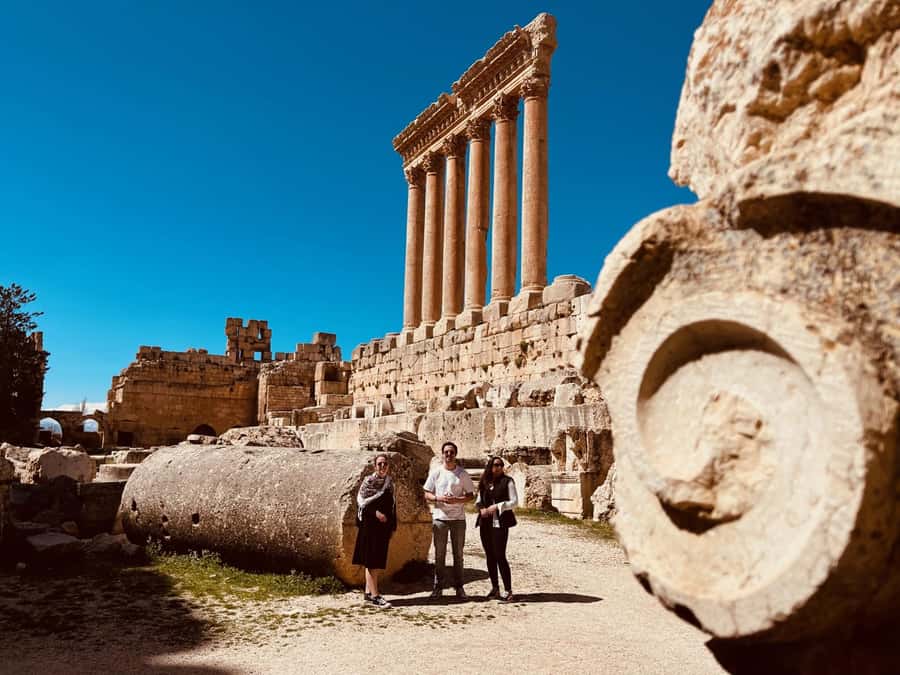
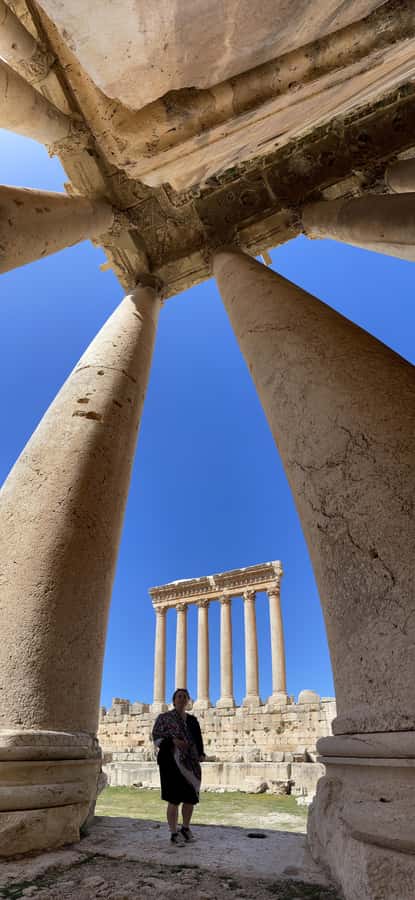
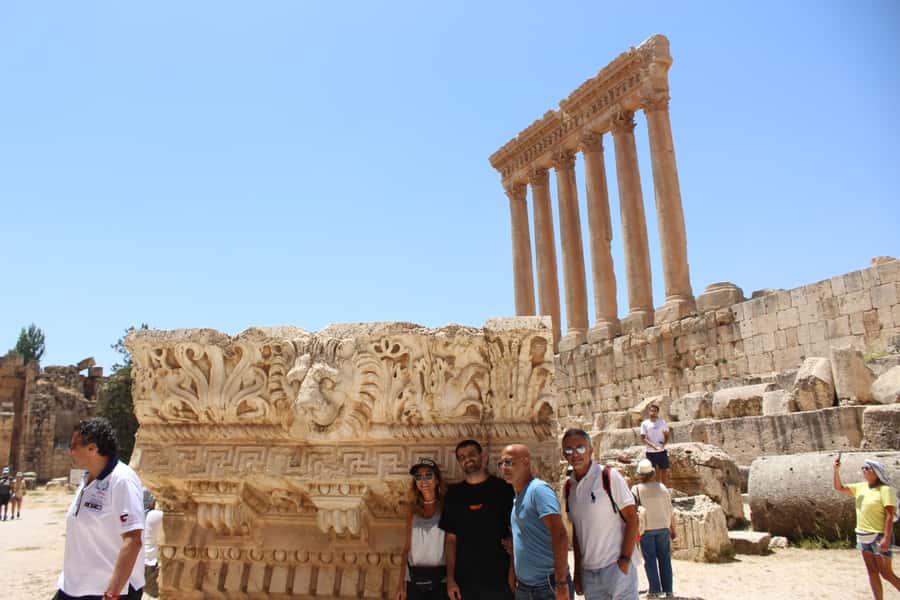
The Temple of Jupiter is the dramatic first lesson. Its surviving columns and huge stonework give you a feel for the ambition behind the Roman sanctuary. Your guide can help turn the scattered walls and carved fragments into a readable site, explaining what you are looking at rather than leaving you to wander among stones without context.
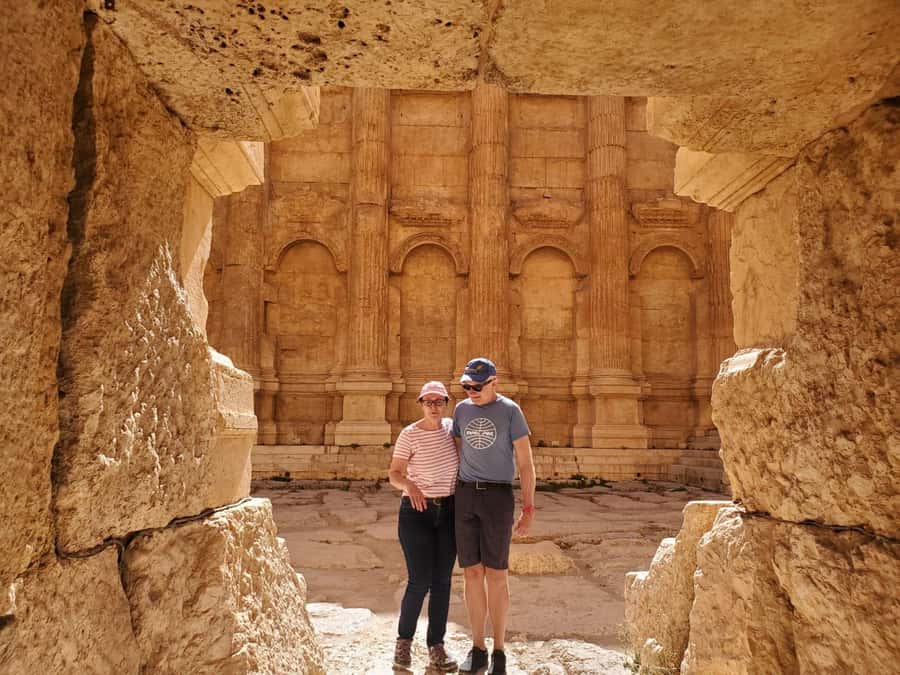
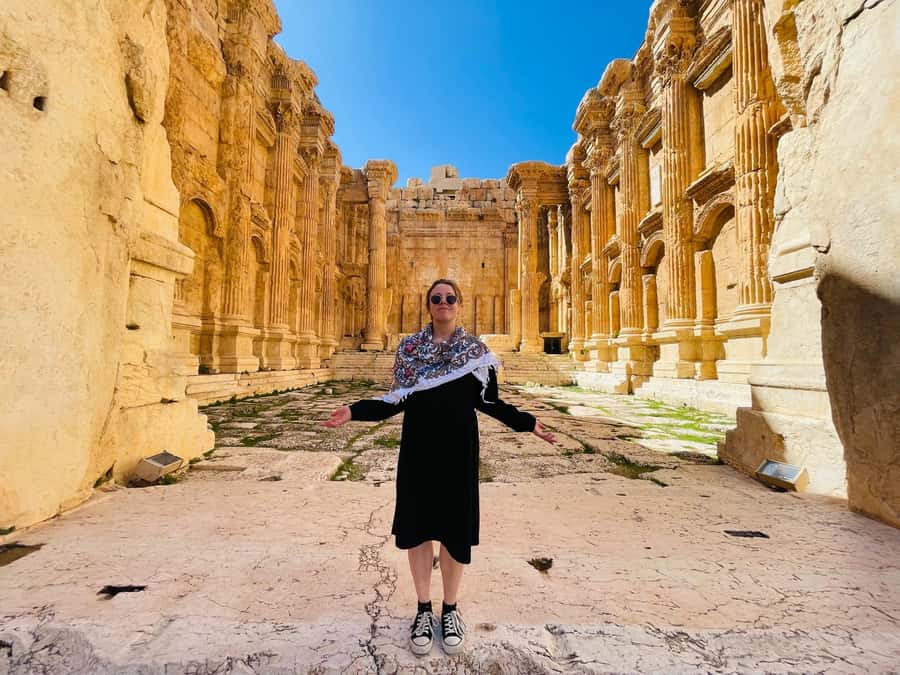
The Temple of Bacchus is often the more immediately satisfying stop. Its walls and carved details are remarkably well preserved, and the structure gives you a clearer sense of what a Roman temple looked like than the more fragmentary remains nearby. The complex also includes the Temple of Venus, which one recent visitor singled out along with Jupiter as a highlight.
A guided visit matters at Baalbek. The ruins are large, and the most impressive details can be easy to miss if you do not know where to look. The experience has included guides such as Fahmi, praised for clear English and helpful photography, and Ameen, who added local insight while explaining the historic places.
The planned guided visit lasts about two hours. That is enough to see the major monuments and get a useful introduction, but it is not enough for a slow archaeological study. If you want time for every carved stone, museum display, and side path, you may feel pressed.
One practical warning: a museum closure caused by a power outage affected one visit. Since site operations can change, do not treat every indoor display as guaranteed. The major outdoor temples are the main reason to book this day, and they remain the central experience.
More Baalbek and Anjar tours in Beirut:
- Guided Small-Group Tour to Baalbek, Anjar and Ksara with Lunch
★ 5.0 · 511 reviews - Anjar, Baalbek & Ksara Day Trip – With Lunch (4G on Board)
★ 4.5 · 181 reviews - Baalbek – Anjar – Ksara Trip From Beirut
★ 4.5 · 80 reviews
What the Baalbek visit feels like on the ground
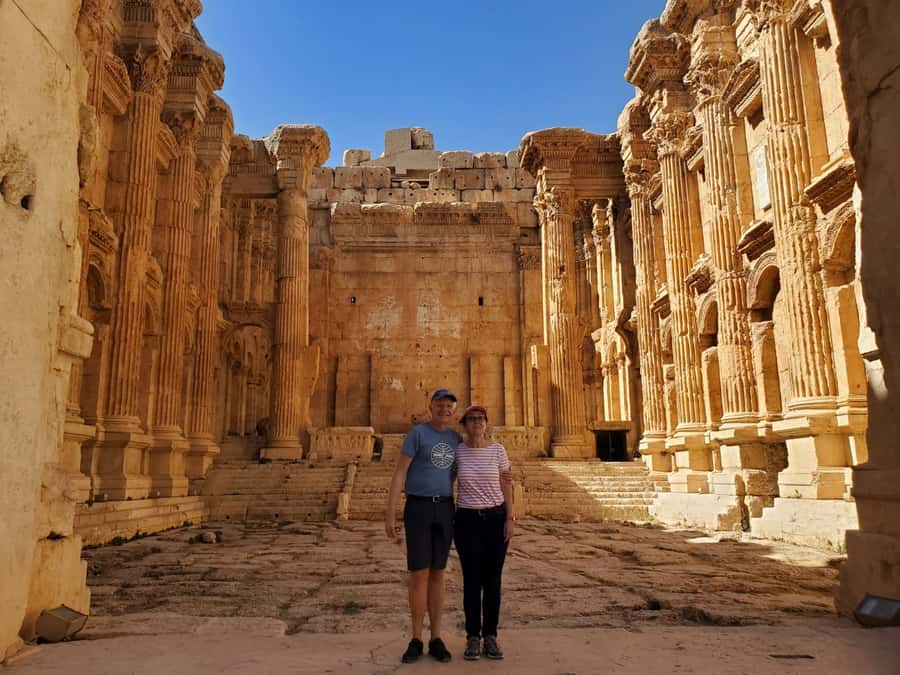
This is not a small ruin tucked into a quiet corner. Baalbek is monumental, and the scale is the point. You will spend much of the visit looking upward at columns, walls, carved surfaces, and the remains of a vast Roman religious complex.
Wear footwear that you can walk in comfortably. The tour includes a guided walk, and the site visit is active rather than a quick photo stop. The information supplied for the activity says the tour is wheelchair accessible, but the exact route through the archaeological complex can vary, so it is sensible to confirm access arrangements before booking if you need a fully step-free path.
The guide makes the biggest difference here. A good explanation gives meaning to the Temple of Jupiter’s surviving pieces and the decoration on the Temple of Bacchus. The strongest guide feedback has focused on clear explanations, local stories, friendly help, and excellent English.
Photography is part of the fun. Fahmi was specifically praised for taking good photos, and Ameen was noted for sharing local insights. You should still allow time to look beyond your camera. Baalbek rewards a few quiet minutes simply standing among the ruins and judging their scale.
The tour uses a luxury vehicle and includes a water bottle and biscuit. That sounds minor, but the Beqaa Valley outing is a long day, and small provisions help between stops. Hotel pickup and return also remove the need to negotiate transport in Beirut or plan the route yourself.
Zahle brings food and wine into the day
After Baalbek, the tour continues to Zahle, the capital of the Beqaa Valley. The stop is designed as a break for a traditional Lebanese brunch, with the meal paid separately.
This is a useful part of the schedule because Baalbek is not the only reason to visit the valley. Zahle gives you a taste of local food culture and keeps the day from becoming a nonstop sequence of monuments. Past visitors have singled out the restaurant meal as excellent, and one described it as a delicious part of an otherwise history-focused outing.
Do not mistake the brunch for an included feature. Lunch is not covered in the $115 price, so plan for an additional personal expense. The supplied information does not give a fixed menu or restaurant price, meaning you should ask the operator if you need to budget precisely.
The meal also acts as a sensible pause before the winery visit. You get a chance to sit down, eat, and reset before walking through the caves at Château Ksara. Since the entire tour lasts eight hours, that pause has real value.
Château Ksara’s caves offer a different kind of history
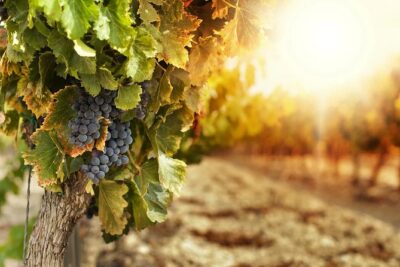
Château Ksara is one of Lebanon’s oldest wineries, and the visit shifts the mood from Roman grandeur to local wine production. You will take a guided tour through the historic caves, then have the option of a wine tasting.
The caves are the most distinctive part of this stop. Instead of only looking at bottles or hearing a short presentation, you walk through the underground spaces used in the winery’s tradition. That physical setting makes the visit more memorable and gives you a clearer sense of how wine storage has long been tied to cool underground rooms.
The scheduled visit lasts about one hour. That is enough for a guided cave walk and an introduction to winemaking methods, but it leaves little room for a leisurely tasting or extended shopping stop. If wine is your main interest, the archaeological portion of the day will naturally limit how much time you receive at Ksara.
The tasting is optional. That makes the stop workable for people who do not drink wine, while still giving wine enthusiasts a chance to sample regional flavors. Admission fees to all sites are not included in the tour price, and the supplied details do not clearly separate the cave admission from the tasting charge. Confirm the exact fee before you go.
The winery adds balance to the day. Baalbek shows Lebanon through its ancient Roman past; Ksara shows a continuing craft tradition in the present. You get two very different ways to understand the Beqaa Valley without booking separate excursions.
More Chateau Ksara wine tours in Beirut:
- Guided Private Full Day Tour to Baalbek, Anjar and Chateau Ksara
★ 5.0 · 60 reviews - Lebanon tour Baalbek ruins & Ksara w/pick-up, lunch,guide+entries
★ 5.0 · 35 reviews - Baalbek Temples & Ksara Caves w/pick-up,guide, entries+lunch
★ 4.9 · 34 reviews - Small Group Tours to Baalbek, Anjar & Chateau Ksara with lunch and Tickets
★ 5.0 · 29 reviews
How the eight-hour schedule works
The listed route begins with pickup in Beirut, continues to Baalbek, moves on to Château Ksara near Zahle, and returns to Beirut. The total duration is about eight hours.
That sounds generous, but the schedule includes long transfers, the two-hour Baalbek visit, a meal stop, and the one-hour Ksara visit. You should think of this as a well-organized overview rather than a slow day with open-ended time at each place.
The clearest timing advice comes from a past booking that suggested starting earlier. The Baalbek visit felt rushed when the departure was not early enough. If you care most about the ruins, ask about the earliest available pickup and try to protect the full two hours at the site.
The operator offers pickup and drop-off at your Beirut hotel. This is especially useful for a day that crosses into the Beqaa Valley, since you do not need to arrange a driver, compare taxi fares, or manage the return journey after lunch and wine tasting.
The vehicle has received strong praise for comfort and quality. Drivers including John have been singled out for being punctual, professional, friendly, and helpful. That matters on a full-day road trip. A courteous driver can make the transfers feel like part of the outing instead of dead time.
Departure times depend on availability, so check the schedule before paying. The activity also offers free cancellation up to 24 hours in advance and a reserve-now, pay-later option, which can help if your Beirut plans are still changing.
The guide and language can shape the whole day
The tour includes a live multilingual guide, with English, French, Arabic, Italian, and Spanish listed as available languages. Select your preferred language when booking and confirm that it is available on your date.
Names attached to especially positive experiences include Ameen, Fahmi, and John. Ameen was praised for arriving on time and adding local information, while Fahmi was noted for excellent English, helpfulness, and photography. John received repeated praise as a superb driver who handled the day with professionalism and warmth.
The exact guide may vary, so do not book solely expecting one named person. What you can reasonably look for is a guide who explains the Roman site clearly, keeps the day moving, and helps with practical details at the restaurant and winery.
The guide is most valuable at Baalbek. At Ksara, the cave tour has its own specialist explanation, but your main guide still helps connect the winery stop to the rest of the day. A multilingual guide is also useful if people in your group have different language needs.
Is $115 a fair price?
At $115 per person, this tour is not the cheapest way to reach Baalbek. You also need to add entrance fees, lunch, the optional tasting if charged separately, and personal purchases.
Still, the price covers several costly and useful pieces: hotel pickup and return from Beirut, luxury transportation, a full-day route, a live guide, and two major stops. For a solo visitor or anyone who does not want to organize a private driver, that convenience can make the total reasonable.
The value is strongest if you want a single day that combines Baalbek, Zahle, and Ksara. Booking separate transport to the Beqaa Valley could require more planning and leave you responsible for timing the return to Beirut.
The value is weaker if you want to spend half a day at Baalbek alone. Two hours is a practical introduction, but serious archaeology fans may prefer a longer private visit. You should also budget carefully because the advertised price does not include all admissions or lunch.
The experience has received a perfect 5 rating from 12 listed ratings, with praise centered on punctual pickup, friendly drivers, comfortable transport, clear explanations, good food, and the quality of the sites. The one recurring practical concern in the supplied feedback is the rushed Baalbek timing, so that is the point I would raise before booking.
Who will enjoy this day most
I would recommend this tour to you if you are staying in Beirut and want to see Baalbek without arranging intercity transport. It suits first-time visitors who want the main Roman monuments explained in plain language and who like adding food and wine to a history day.
It is also a good fit for couples, families, and small groups seeking an easy full-day outing. Hotel pickup, multilingual guiding, water, and a comfortable vehicle remove many small travel hassles.
You will get the most from it if you enjoy variety. The day moves from Roman temples to a Lebanese meal and then to underground wine caves. If you want only ruins, the winery may feel like a detour. If you dislike wine-related visits, the tasting is optional, and the cave tour itself remains the focus.
The pace may be less suitable for anyone who needs long rest periods or wants to explore every section of Baalbek. The activity is wheelchair accessible according to the provided details, but anyone requiring specific access support should confirm the route and vehicle arrangements before booking.
Should you book Baalbek and Ksara together?
Book it if you want a convenient, guided introduction to the Beqaa Valley and value having transport, commentary, and a planned route handled for you. The combination of Baalbek’s enormous Roman temples, a Zahle meal, and Château Ksara’s caves gives you more range than a ruins-only trip.
Before committing, ask about the departure time, site admission costs, and the price of the optional tasting. Request an early start if Baalbek is your priority. With those details clear, the $115 fee offers a practical way to see two of Lebanon’s most distinctive attractions in one long day.
FAQ
Where does the tour begin and end?
The tour includes pickup in Beirut and returns you to Beirut at the end of the day.
How long does the experience last?
The full activity lasts about eight hours.
What places are included in the route?
The route includes Baalbek, Château Ksara Caves, and a stop in Zahle for a traditional Lebanese brunch.
How long is the guided visit at Baalbek?
The planned guided tour at Baalbek lasts about two hours.
How long is the Château Ksara visit?
The guided cave visit, walk, and related winery activities last about one hour.
Is lunch included in the price?
No. Lunch is not included, and personal expenses are paid separately.
Are entrance fees included?
No. Admission fees to the sites are not included.
Is wine tasting included?
Wine tasting is optional. The supplied activity details do not state a separate tasting price, so confirm the cost before booking.
Which languages are available?
The live guide may speak English, French, Arabic, Italian, or Spanish.
Is hotel transportation included?
Yes. Hotel pickup and drop-off from Beirut are included, along with luxury transportation and a water bottle with a biscuit.
Just added around Beirut
- Journey Through Time: Half-Day Private Tour to Baalbek★ 5.0 · 3 reviews
- Small Group Tours to Jeita Grotto and Byblos with tickets★ 5.0 · 3 reviews
- Wine Tasting and Culture★ 5.0 · 3 reviews
- Small-Group Tour with Lunch to Jeita Grotto, Byblos and Harissa★ 4.5 · 3 reviews
- Traveling Spoon Lebanese Mezze Private Online Cooking Class★ 5.0 · 4 reviews
- Beirut to Qadisha Valley, Bcharri & Cedar: Daily Tours with Lunch★ 4.5 · 3 reviews
- Small-Group Tour to Sidon, Tyre and Maghdouche with Lunch and Tickets★ 4.5 · 3 reviews
- Small-Group Tour with Lunch to Baalbek, Anjar and Ksara★ 5.0 · 3 reviews
Baalbek and Anjar Tours, compared.
Guided Small-Group Tour to Baalbek, Anjar and Ksara with Lunch
Read our review →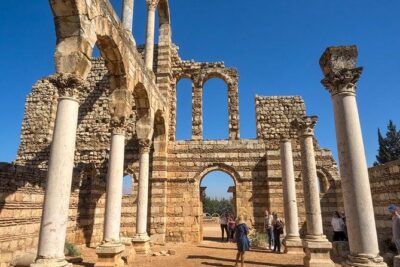
Anjar, Baalbek & Ksara Day Trip – With Lunch (4G on Board)
Read our review →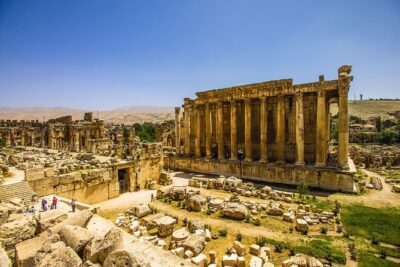
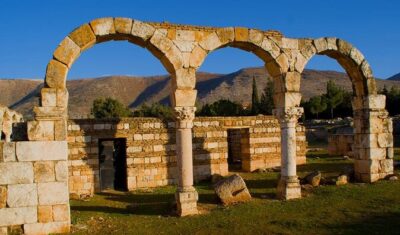
Private Anjar and Baalbek Tour from Beirut with Departure Ticket
Read our review →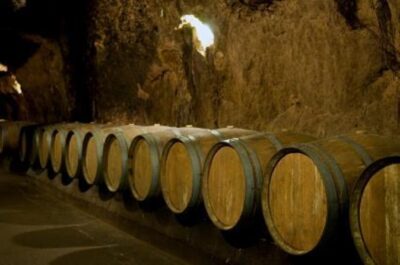
Guided Private Full Day Tour to Baalbek, Anjar and Chateau Ksara
Read our review →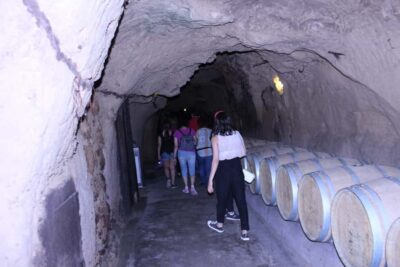
Baalbek Temples & Ksara Caves w/pick-up,guide, entries+lunch
Read our review →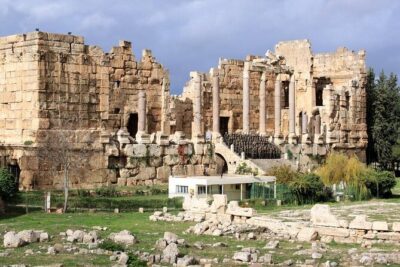
Small Group Tours to Baalbek, Anjar & Chateau Ksara with lunch and Tickets
Read our review →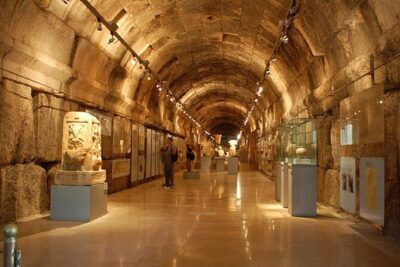
Private Tour: Anjar, Baalbek and Ksara Day Trip from Beirut
Read our review →Browse the lists this tour appears in