
Reviewed · SIDON AND TYRE TOURS
Small Group Tour to Sidon, Tyre & Maghdouche with lunch
Sidon’s crusader sea castle rises from the harbor, Tyre spreads its ancient Roman remains across a wide archaeological site, and Maghdouche adds a quiet religious stop above the coast. This day trip gives you all three places without the work of arranging transport between them.
I like the door-to-door hotel transfers and the included local lunch, which keep an ambitious route fairly simple. I also like the small-group format, capped at 20 people, and the chance of receiving extra archaeological insight in Tyre. The main drawback is pace: eight hours is enough for an introduction, but not for a slow exploration of every souk, museum, and ruin.
Key points to know before booking
- Sidon combines major sights in a compact old quarter: See the sea castle, Khan al-Franj, the Soap Museum, and the souks in one walkable section of town.
- Tyre gets the longest stop: You have about two hours in town, plus a separate hour at the Al-Bass archaeological site.
- An archaeologist may join you in Tyre: Guide Hassane arranged this for at least one departure, adding useful detail at the ancient sites.
- Lunch is part of the package: You eat at a local restaurant in Tyre, so the midday meal does not become another planning task.
- Some admission fees are extra: Tickets are not included for the Sidon Sea Castle, Soap Museum, or Al-Bass site.
- The route suits first-time visitors: Hotel pickup, an air-conditioned minivan, and a local guide make this a practical way to cover southern Lebanon from Beirut.
Three historic cities in one long day
This tour is built around contrast. Sidon gives you a port, a medieval fortress, old commercial buildings, and working souks. Tyre offers Phoenician roots, Roman remains, a seaside setting, and a second old market. Maghdouche provides a short, peaceful stop centered on a Marian shrine.
The route is attraction-packed, so you should think of it as a well-organized introduction rather than an unhurried archaeological study. You will see a lot, but some stops are brief. That tradeoff is useful if you have limited time in Lebanon and want to put Sidon and Tyre on the same day.
Pickup begins at about 8:00 am. The air-conditioned minivan matters here because the route includes several towns and outdoor sites, and the day can involve plenty of walking. Hotel pickup and drop-off also save you from arranging separate transport in Beirut.
The group can reach up to 20 people. That is still more personal than a large coach tour, though it is not an intimate private excursion. Your experience will depend partly on the guide assigned to your departure. Hassane is one named guide associated with the tour, and he is described as personable, professional, and strong on local history.
More Sidon and Tyre tours in Beirut:
- Small-Group Adventure Tour to Sidon Tyre & Maghdouche-Day Trip
★ 5.0 · 45 reviews - Sidon, Tyre & Maghdouche Day Trip – With Lunch (4G on Board)
★ 4.5 · 44 reviews - Guided Small-Group Tour to Sidon, Tyre & Maghdouche with Lunch
★ 5.0 · 41 reviews
Sidon Sea Castle, a fortress in the harbor
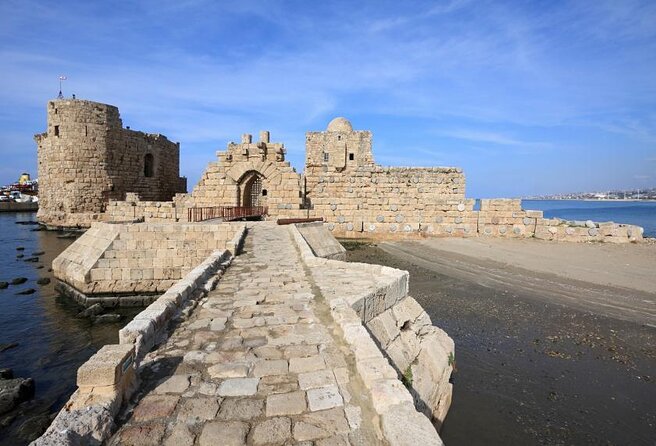
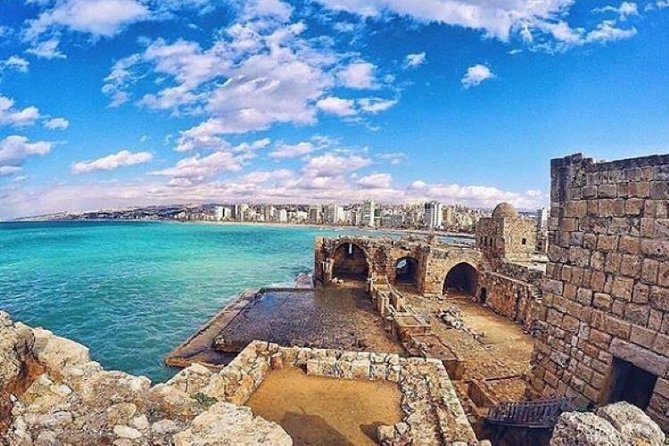
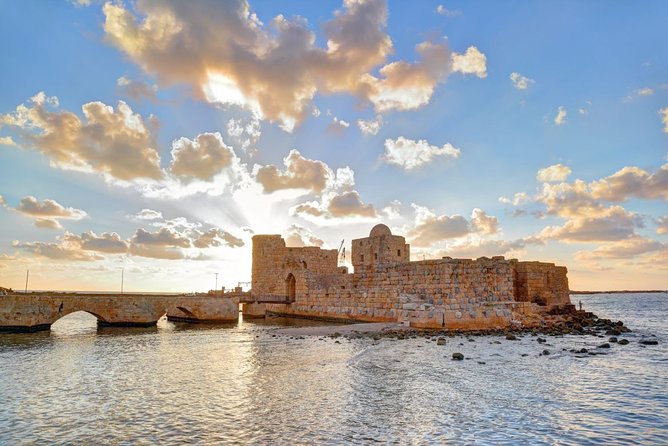
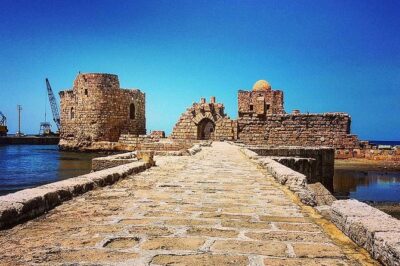
Your first major sight is Sidon’s Sea Castle. The crusaders built the fortress in the 13th century on a small island linked to shore by a causeway. Its setting is the real draw: the castle sits directly in the harbor, with water around its remaining towers and walls.
The structure was largely destroyed by the Mamluks in 1291 and later restored by Fakhr el-Dine Maan II in the early 17th century. Do not expect a fully intact medieval fortress. Old prints show a far more decorated building, while the ruins today are simpler and more weathered.
You have about 30 minutes here. That is enough to see the main remains and take in the harbor position, but it limits time for a careful look at every wall. Admission is not included, so budget for a separate ticket. The short visit works well as an opening stop, especially if you want a striking photograph and a quick sense of Sidon’s military past.
Khan al-Franj and Sidon’s old commercial life
Khan al-Franj is a very different kind of historic building. Emir Fakhreddine II built it in the early 17th century as a hotel for ambassadors and a place where Lebanon and France could conduct business. Over time, it also became a center for literature, religion, diplomacy, industry, and learning.
The building follows the classic khan pattern: a large rectangular courtyard, a central fountain, and covered galleries around the edges. I like this stop because it helps you picture how trade and official travel worked before modern hotels and offices. It is less about a single dramatic object and more about the shape of an old city built around exchange.
The visit lasts about 15 minutes, and entry is free. That is a quick look, not a full architectural tour. Still, its location and compact layout make it an efficient stop between the sea castle and Sidon’s other sights.
The Soap Museum and an old craft
Sidon’s Soap Museum occupies a former soap factory built by the Hammoud family in the 17th century. Parts of the building may date as far back as the 13th century, giving the museum a layered feel rather than a modern exhibition-hall atmosphere.
Inside, you learn how traditional olive-oil soap was made and see a demonstration of the process. The museum also explains the role of the hammam, or public bath, in local culture. This is a useful stop because it connects an everyday product with trade, hygiene, craft, and domestic life.
The museum includes archaeological material found during work on the site, including clay pipe heads from the 17th to 19th centuries and pottery fragments. Admission is not included, and you have about 30 minutes. That should be enough for the main displays and demonstration, though not for a slow museum visit.
If you prefer museums with a clear human story, this may be one of Sidon’s most rewarding stops. The subject is specific, practical, and tied to a craft that shaped the city’s economy. If you mainly want open-air ruins, the visit may feel less essential than the castle or Tyre’s Roman remains.
More Our Lady of Maghdouche tours in Beirut:
- Sidon – Tyre – Maghdouche Trip, From Beirut
★ 5.0 · 25 reviews - Private Guided Tour to Sidon, Tyre and Maghdouche from Beirut
★ 4.5 · 9 reviews - Sidon, Tyre, Maghdouche
★ 5.0 · 7 reviews - Southern Lebanon Day Trip: Exploring Sidon, Maghdouche and Tyre
★ 5.0 · 4 reviews
A short walk through Sidon’s souks
The Sidon souks form the commercial center of the old city. Narrow lanes lead past kiosks, cafés, food shops, butchers, grocers, shoemakers, tailors, and jewelers. This is where the tour shifts from monuments to daily activity.
The scheduled stop is only about 10 minutes, so you should not expect a long shopping session. Use it to get your bearings, observe the street life, and note places you might want to return to if you have extra time in Sidon.
That short timing is a limitation. A souk is best enjoyed slowly, and this visit is more of a taste than a full exploration. Still, it adds texture to the day and keeps the tour from becoming a string of formal sites.
Maghdouche and Our Lady of Mantara
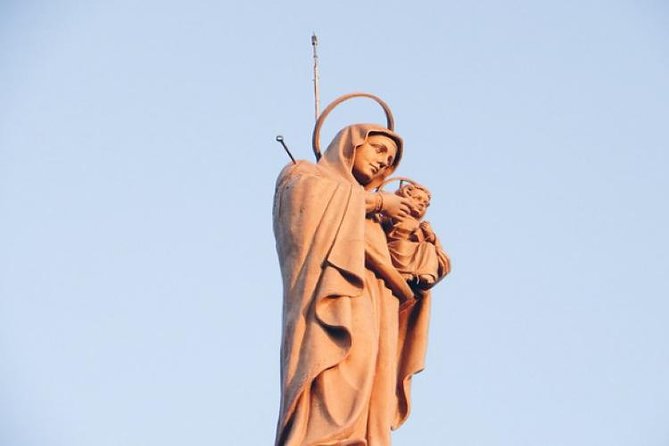
The stop at Our Lady of Awaiting, also called Our Lady of Mantara, takes you to Maghdouche. This Melkite Greek Catholic shrine is linked to a story in which the Virgin Mary waited in a sacred cave while Jesus traveled nearby.
The shrine was discovered on September 8, 1721, by a young shepherd. Today the site includes a tower topped by a statue of the Virgin and Child, a cathedral, a cemetery, and the cave associated with Mary’s stay.
You have about 30 minutes, and admission is free. This is a quieter interlude after Sidon’s harbor and souks. The site will appeal most if you enjoy religious history, local traditions, and places that remain meaningful to the community.
You should not expect a long religious tour or a large museum program. The visit is brief and focused on the shrine itself. Even so, it breaks up the drive to Tyre and gives the route a different tone.
Tyre, Phoenician port and Roman city
Tyre is the centerpiece of the day. The city’s foundations reach back to about 2750 BC, and its story includes Phoenician, Egyptian, Assyrian, Neo-Babylonian, Greek, Seleucid, Roman, Byzantine, Arab, Crusader, Mamluk, and Ottoman rule.
Tyre is linked with Elissar, the Phoenician princess associated with the founding of Carthage. It was also famous for purple dye made from murex sea snails, a costly color that helped give the city an international reputation in the ancient world.
The town has a seaside setting and is also known for its beaches. The tour, however, is aimed at history rather than a beach day. You have about two hours in Tyre, followed by a separate hour at Al-Bass. That gives you time to understand the city, eat lunch, and see key areas, but not to cover every corner.
Lunch at a local restaurant is included. This is good value in practical terms: you do not lose time choosing a restaurant during a tightly timed day, and you get a traditional-style meal in the place you are visiting. The exact menu is not specified, so do not book this expecting a particular dish.
One especially useful feature is the possibility of an archaeologist joining the Tyre portion. Hassane arranged this for one departure, and the added specialist offered extra explanation at the sites. It is not stated as a guaranteed part of every tour, so treat it as a possible bonus rather than a promise.
Al-Bass, Roman roads and a huge hippodrome
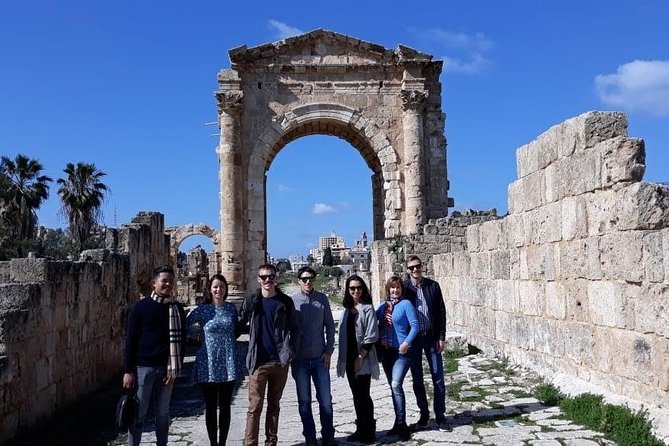
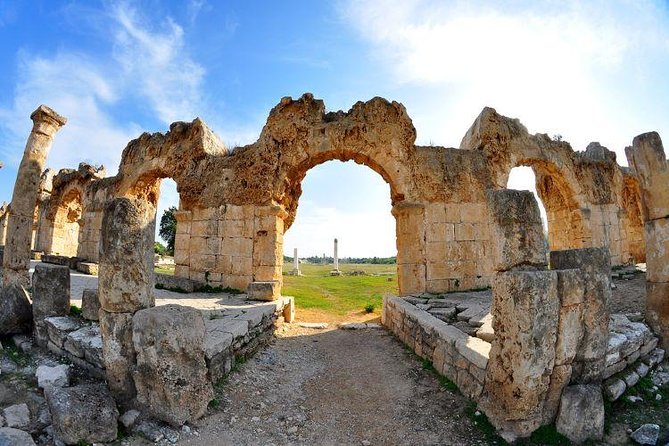
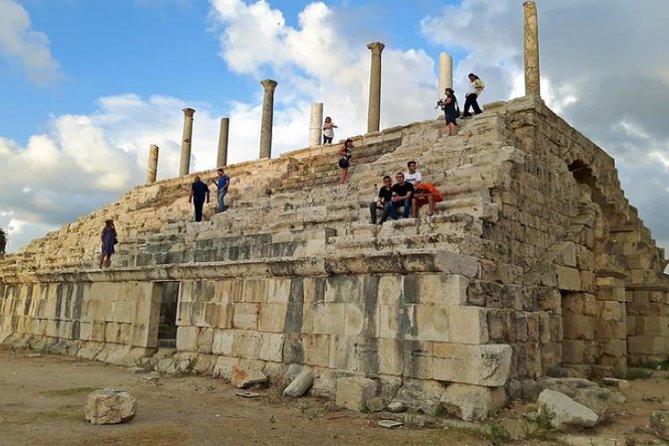
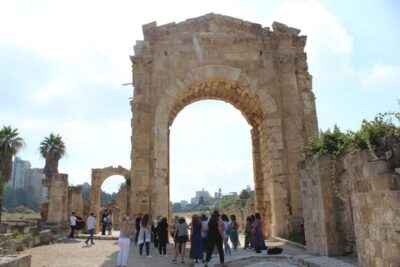
The Al-Bass archaeological site is where Tyre’s Roman scale becomes easiest to grasp. The ancient entrance included a broad monumental causeway, a Roman triumphal arch from the second century AD, a necropolis, an aqueduct, and a long Roman road.
The site also contains one of the largest and best-preserved Roman hippodromes. This was not a small local track. Its size helps you picture the public spectacles and crowds that once gathered in Tyre.
The necropolis contains several hundred preserved sarcophagi. Along with the aqueduct and arch, these remains make Al-Bass more than a single monument. You are reading the layout of an ancient city, from its entrance and burial grounds to its water supply and entertainment space.
The scheduled visit lasts about an hour. Admission is not included, so keep some money aside for the ticket. Wear practical shoes and expect an outdoor visit across an archaeological area. The guide’s explanation matters here, since scattered stones and foundations can be hard to interpret without context.
This is likely the strongest stop for anyone drawn to Roman archaeology. The drawback is the same one found at several stops: an hour gives you the main story, but not the leisure to study every sarcophagus or architectural detail.
Tyre’s Old Souk and the last taste of town life
The Old Souk of Tyre is a compact final look at the modern town. Shops sell gold, copper, vegetables, fish, meat, clothing, and antiques. Food stalls and small eateries offer sandwiches, foul, and hummus.
The scheduled stop is about 15 minutes. That is enough to pass through the Heritage Square area and get a feel for the market, but not enough for serious shopping. If you see something you want, ask the guide about the timing before stopping for a purchase.
I like ending with the souk because it brings you back from ancient monuments to the town as it is now. Tyre is not only a Phoenician name or a Roman ruin. It is also a place where people shop, eat, work, and live.
What the $99 price really covers
At $99 per person, the package is strongest when you value convenience. The price includes hotel pickup and drop-off, an air-conditioned vehicle, a local guide, a tour leader, and lunch. Getting to both Sidon and Tyre independently would require more planning, and transport costs could reduce the savings of doing it alone.
The price does not cover admission to the Sea Castle, Soap Museum, or Al-Bass archaeological site. The tour data does not give the ticket costs, so you should allow extra money for those three stops. Khan al-Franj, Maghdouche, Sidon’s souks, and Tyre’s Old Souk are listed as free.
The route also packs several stops into about eight hours. I see this as good value for a first visit, particularly if you have only a short stay in Beirut. It is less suitable if your priority is lingering over lunch, spending hours in one archaeological site, or browsing every market lane.
The 4.9 rating from 11 reviews and the 100 percent recommendation figure suggest a strong record, but the sample is small. The praise centers on the guide’s care, clear background, and professionalism. One booking specifically praised Hassane for arranging an archaeologist in Tyre, which is a useful detail to keep in mind when you meet your guide.
Who should book this day trip
I would choose this tour if you want a broad first look at Lebanon’s southern heritage and prefer a planned day to public transport or multiple taxi arrangements. It suits couples, solo visitors, and small groups who want a guide to handle the route.
It is also a good match for anyone interested in several kinds of history at once: Crusader fortifications, Ottoman-era commercial buildings, soapmaking, religious tradition, Phoenician culture, and Roman urban life.
You may want another plan if your main goal is the beach, extended shopping, or a specialist archaeological visit. The tour gives you introductions to many places, not long blocks of free time. A private tour could offer more flexibility, but this small-group option should cost less and still keeps the group size below 20.
Free cancellation is available when you cancel at least 24 hours before the start time. Changes or cancellations made inside that window are not accepted for a refund, so check your plans before the cutoff.
Should you book the Sidon, Tyre and Maghdouche tour?
Book it if you want three major southern Lebanon stops in one organized day, with lunch and hotel transport included. The combination is the real strength: Sidon’s harbor fortress and old trades, Maghdouche’s shrine, then Tyre’s Phoenician and Roman remains.
Go in with sensible expectations. You will not have unlimited time at the museums or souks, and several entry fees are extra. But for $99, the air-conditioned ride, guide, lunch, and tightly planned access to Sidon and Tyre make this a practical choice for a first visit from Beirut. If possible, ask whether an archaeologist will be available in Tyre, since that can add a useful layer to the Roman sites.
FAQ
What is included in the tour price?
The price includes lunch at a local restaurant, hotel pickup and drop-off, an air-conditioned vehicle, a local guide, and a tour leader.
What time does the tour start?
The tour starts at 8:00 am.
How long does the tour last?
The experience lasts about eight hours.
Are entrance fees included?
No. Admission is not included for the Sidon Sea Castle, the Soap Museum, or the Al-Bass Archaeological Site. Khan al-Franj, Our Lady of Mantara, Sidon’s souks, and Tyre’s Old Souk are listed as free.
How many people can join the tour?
The group has a maximum of 20 travelers.
Can I cancel for a full refund?
Yes, if you cancel at least 24 hours before the experience starts. Cancellations or changes made less than 24 hours before the start time are not accepted for a refund.
More Lunch Experiences in Beirut
- Guided Small-Group Tour to Baalbek, Anjar and Ksara with Lunch
★ 5.0 · 511 reviews - Guided Small-Group Tour to Jeita, Harissa, Byblos with Lunch
★ 5.0 · 361 reviews - Anjar, Baalbek & Ksara Day Trip – With Lunch (4G on Board)
★ 4.5 · 181 reviews - Byblos, Jeita Grotto & Harissa Day Trip -With Lunch (4G on Board)
★ 4.5 · 145 reviews
Just added around Beirut
- Journey Through Time: Half-Day Private Tour to Baalbek★ 5.0 · 3 reviews
- Small Group Tours to Jeita Grotto and Byblos with tickets★ 5.0 · 3 reviews
- Wine Tasting and Culture★ 5.0 · 3 reviews
- Small-Group Tour with Lunch to Jeita Grotto, Byblos and Harissa★ 4.5 · 3 reviews
- Traveling Spoon Lebanese Mezze Private Online Cooking Class★ 5.0 · 4 reviews
- Beirut to Qadisha Valley, Bcharri & Cedar: Daily Tours with Lunch★ 4.5 · 3 reviews
- Small-Group Tour to Sidon, Tyre and Maghdouche with Lunch and Tickets★ 4.5 · 3 reviews
- Small-Group Tour with Lunch to Baalbek, Anjar and Ksara★ 5.0 · 3 reviews
Sidon and Tyre Tours, compared.
Small-Group Adventure Tour to Sidon Tyre & Maghdouche-Day Trip
Read our review →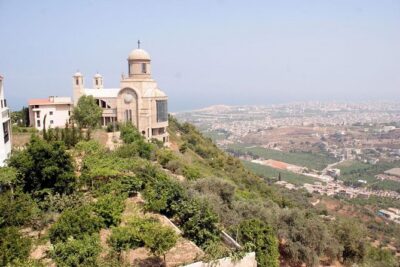
Sidon, Tyre & Maghdouche Day Trip – With Lunch (4G on Board)
Read our review →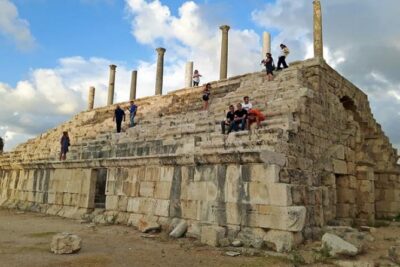
Guided Small-Group Tour to Sidon, Tyre & Maghdouche with Lunch
Read our review →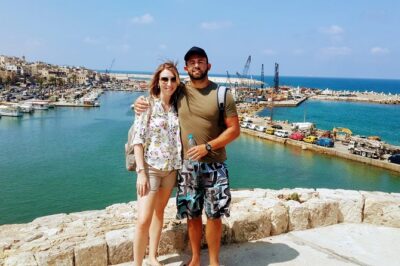
Private Guided Tour to Sidon, Tyre and Maghdouche from Beirut
Read our review →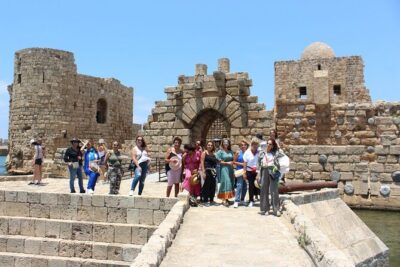
Lebanon tour Sidon & Tyre ruins with pick-up, guide,lunch+entries
Read our review →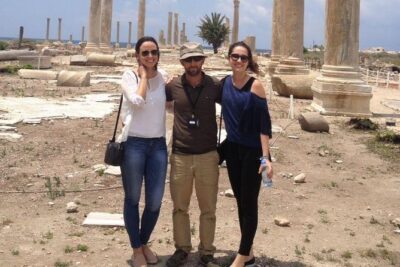
Lebanon Unveiled: Exclusive Private Tours to Sidon & Tyre
Read our review →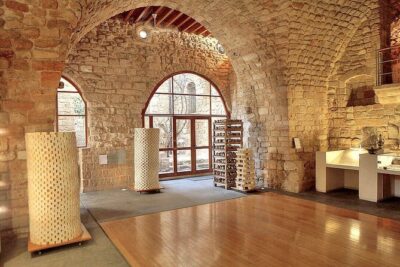
Sidon & Tyre Unesco Heritage w/pick-up, guide, entries+lunch
Read our review →Browse the lists this tour appears in