
Reviewed · SIDON AND TYRE TOURS
PRIVATE city tour of Old Sidon & Historic Tyre
Sidon and Tyre give you a very different day from Beirut’s city streets. You’ll follow Lebanon’s coast south to old ports, a Crusader sea castle, Roman remains, working souks, and a fishermen’s harbor. The most rewarding part is the mix of grand ruins and ordinary local life.
I like the private vehicle and hotel pickup, which keeps a long coastal day simple. I also like the chance to see Sidon’s soap-making tradition and Tyre’s Roman hippodrome in one outing, with guide Dave adding context about both ancient sites and modern life.
The main consideration is time. Seven to eight hours sounds generous, but the drive from Beirut and back leaves limited room for slow wandering, shopping, or a long lunch. Seafood is available, but lunch costs extra.
Key points at a glance
- Two historic coastal cities in one day: Visit Sidon, also called Saida, then continue south to Tyre, or Sour.
- A private tour for your group: You travel by air-conditioned minivan with hotel pickup and drop-off.
- Sidon’s old quarter is the star: See the sea castle, traditional soap factory, souks, craft streets, and local food shops.
- Tyre brings Roman scale: Walk around the Bass Roman hippodrome, sea ruins, restored neighborhoods, and fishermen’s port.
- Admission fees are included: You do not need to budget separately for the attractions visited.
- Seafood lunch is optional: Restaurants in Tyre offer fish and other local dishes, but the meal is not part of the $113.34 price.
Why Sidon and Tyre make a strong day from Beirut
Lebanon’s southern coast compresses several layers of history into a manageable route. Sidon gives you a close look at an old port city where daily commerce still shares space with medieval stonework and traditional trades. Tyre then opens out into a larger archaeological setting, with Roman remains and a waterfront shaped by centuries of seafaring.
That contrast is what makes this trip worthwhile. You are not spending the whole day looking at similar ruins. In Sidon, you move through narrow streets and working shops. In Tyre, you get more open archaeological views, a Roman hippodrome, and the atmosphere of a port that still depends on the sea.
The tour begins at 9:00 a.m. and lasts about seven to eight hours. That makes it a full day, but not an exhausting multi-day commitment. If you have only a short stay in Lebanon, this outing gives you a practical way to reach two important southern cities without arranging separate transport.
The price is $113.34 per person. For a private tour, that includes hotel pickup, drop-off, an air-conditioned vehicle, and admission tickets to the attractions visited. Lunch is not included, and the final value depends partly on how many people share the vehicle. A solo traveler pays more in effect than a couple or small group, while a private group can find the cost quite reasonable for a day of transport and guiding.
More Sidon and Tyre tours in Beirut:
- Small-Group Adventure Tour to Sidon Tyre & Maghdouche-Day Trip
★ 5.0 · 45 reviews - Sidon, Tyre & Maghdouche Day Trip – With Lunch (4G on Board)
★ 4.5 · 44 reviews - Guided Small-Group Tour to Sidon, Tyre & Maghdouche with Lunch
★ 5.0 · 41 reviews
Sidon’s sea castle starts the day with drama
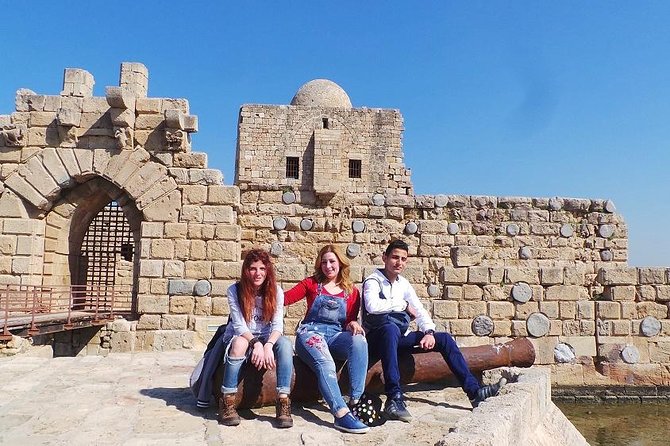
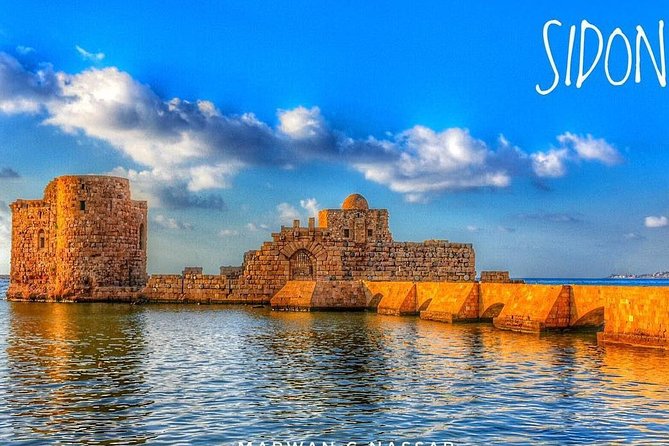
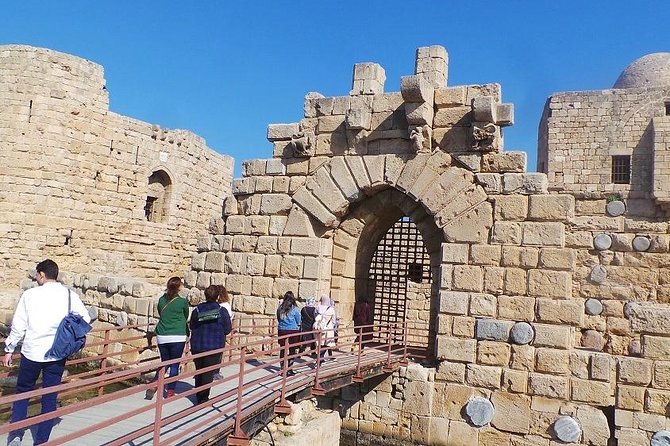
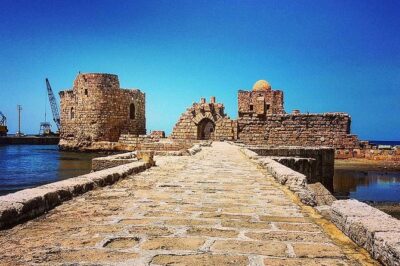
The first visit is to Sidon’s Crusader sea castle, a stone fortress set beside the waterfront. It is the sort of site that works immediately, even before the details are explained. The castle’s position over the water gives you clear views toward the old port and makes the city’s long connection with the sea easy to understand.
The fortress is not a polished, isolated monument. It sits beside the busy souks and the present-day waterfront, so the visit connects old military history with modern city life. You can look from weathered stone toward boats, shops, and the streets where people still conduct everyday business.
About 90 minutes are set aside for Sidon’s first section. That is enough for a guided introduction and a short walk through nearby areas, but you should not expect hours for close examination of every lane. Keep your pace steady, especially if you want time for the soap factory and craft streets that follow.
The sea castle is also a good place to get your bearings. Your guide can explain how the coast shaped the city’s trade, defense, and contact with outside powers. The supplied tour information does not give a full historical script, so the exact depth of interpretation may depend on the guide and the questions you ask.
Sidon’s souks show the city at street level
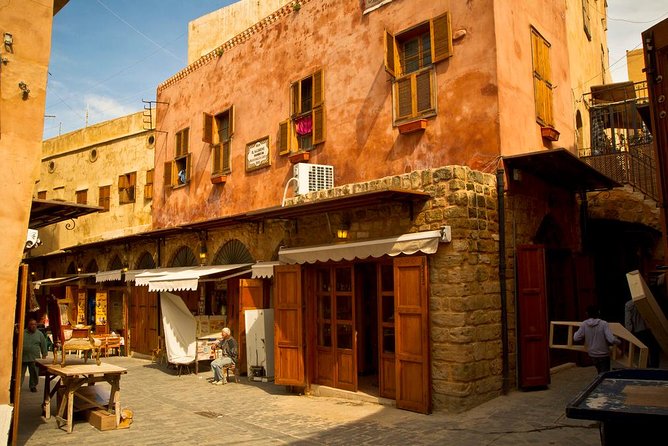
After the castle, the route leads into the old souks. This is where the day becomes less about monumental ruins and more about the texture of local life. Small shops, a butcher, pastry sellers, wooden crafts, and other trades occupy the same general area, giving you a chance to see how the old commercial quarter functions now.
You might find the lanes more interesting than a quick pass through a formal museum. The point is not only to buy something. It is to notice the mixture of food, craft, repair, and trade in a setting shaped by older buildings and narrow streets.
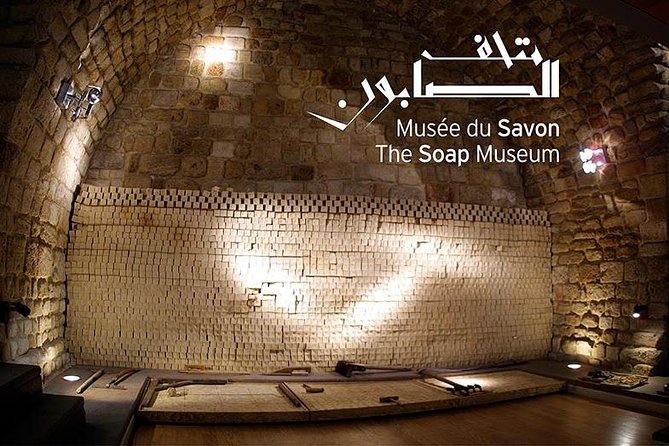
The traditional soap factory is one of Sidon’s most distinctive stops. Soap production has long been associated with the city, and a visit gives the history a practical focus. Instead of hearing only about past industries, you get a look at a craft tradition presented as part of the city’s living identity.
A few details in the souks are especially useful for understanding the place:
- The old market includes food shops and pastry sellers, not only souvenir stalls.
- Wooden craft streets add a hands-on element to the walk.
- The butcher and other local businesses show that this is a working quarter, not a preserved set built only for sightseeing.
- The old port and sea castle remain close enough to connect the market’s trade with the waterfront.
The tour description also refers to the Craque des Chevaliers in this section. The name can cause confusion because Krak des Chevaliers is usually associated with a major inland Crusader castle in Syria. Here, the wording appears within the Sidon stop, so ask your guide to clarify exactly which structure or reference is intended on the day.
The coastal drive matters as much as the stops
The drive from Beirut to Sidon is described as smooth and scenic, and the route continues farther south to Tyre. Since this is a private tour, you avoid the hassle of coordinating public transport or finding a taxi for the return trip. Hotel pickup and drop-off also make the early start easier, particularly if you are staying in Beirut and do not know the city well.
An air-conditioned minivan is a practical choice for the long day. You will spend a meaningful amount of time on the road, so climate control matters. The private format also means you can focus on your own group rather than adjusting to strangers, though the schedule still has to cover both cities within one day.
Do not mistake private transport for a completely flexible itinerary. The listed schedule gives roughly 90 minutes in Sidon and two hours in Tyre, plus the driving time and possible lunch stop. If you want a slow photographic walk, lengthy shopping, or a long meal, you may need to trade off one of the planned elements.
The road journey is also useful context. The southern coast is not just a series of disconnected archaeological sites. You see how the cities relate to one another as ports along the same shoreline, with ancient remains, working neighborhoods, and modern roads sharing one route.
A few more Beirut trips to weigh up
- PRIVATE Beirut Historical Walking Half Day Tour
★ 5.0 · 27 reviews - Historical Beirut Tour (AM) Half Day – (4G on Board)
★ 4.0 · 16 reviews - Temple of Eshmun – Mleeta Landmark – Beaufort Castle
★ 5.0 · 9 reviews - Guided Half-Day Private Beirut Historical Tour
★ 5.0 · 6 reviews
Tyre’s Roman hippodrome brings scale to the afternoon
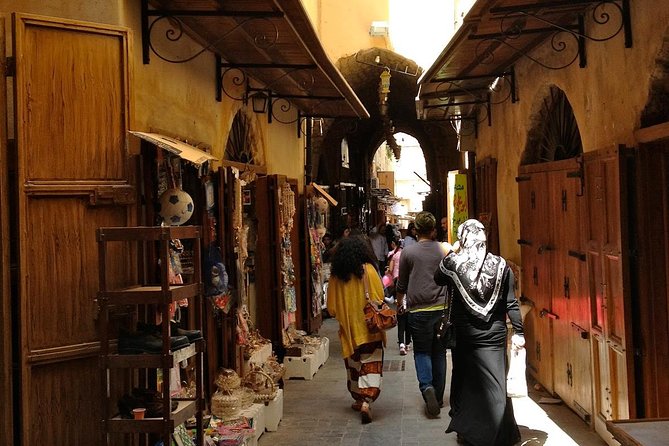
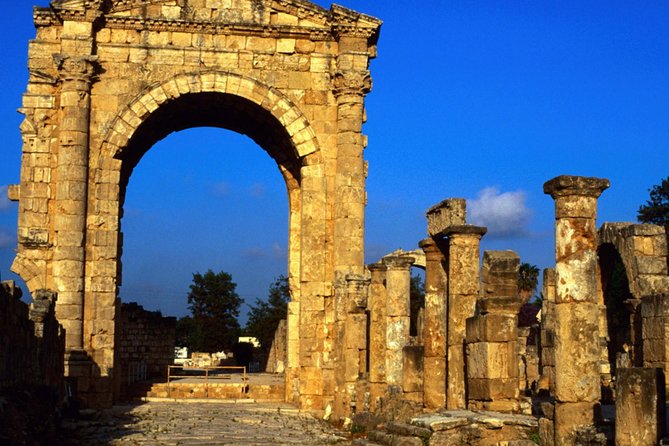
Tyre, known locally as Sour, is the second major stop. The Bass Roman hippodrome is the centerpiece. Its size helps you picture the public life of the Roman period in a way that a single column or broken wall cannot.
A hippodrome was built for large public spectacles, so the remains suggest how many people once gathered here. Even if you are not an expert in Roman history, the site’s broad scale gives the visit a clear sense of purpose. This is one of the places where a guide can help you understand what you are seeing rather than leaving you with a field of stones and a few photographs.
The Tyre visit lasts about two hours. That is more time than the Sidon portion, and it should allow for a proper walk around the hippodrome and other nearby areas. The supplied details do not specify the exact order of the stops, so the guide may adjust the sequence according to the day’s conditions.
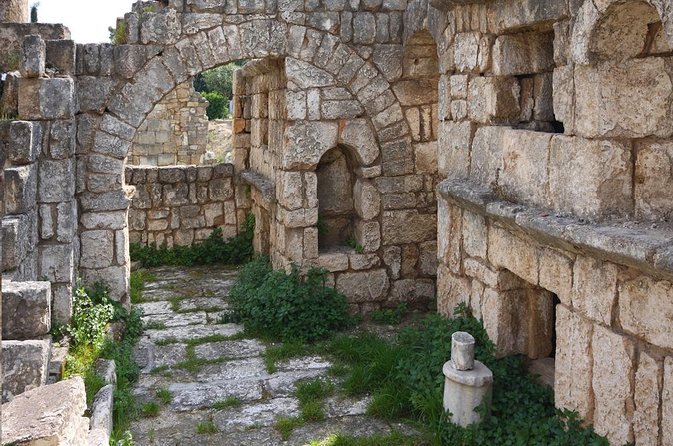
Tyre also includes sea ruins and restored neighborhoods. That combination is important. The city is not presented only as an archaeological park, and it is not presented only as a modern seaside town. You move between the remains of earlier civilizations and streets that have been repaired and brought back into use.
The sea ruins can be especially rewarding if you want a connection between Tyre’s ancient importance and its coastal setting. The water is not background decoration here. It explains why Tyre mattered, how it grew, and why the fishermen’s port remains central to the city’s character.
A walk through the fishermen’s port keeps Tyre grounded
The fishermen’s port gives the Tyre visit a more immediate, local feel. You may see boats, harbor activity, and restaurants connected to the day’s catch. The tour information specifically points to fish and seafood as local specialties, making the port a natural place to consider lunch.
The meal is optional and not included in the tour price. That gives you control over your spending and timing, but it also means you should ask about the plan before sitting down. A leisurely seafood meal could use much of the available time in Tyre, while a quicker meal leaves more time for the ruins and neighborhood walk.
You can also find a range of other food in the city, so seafood is not your only option. Still, the port is the logical place to try the catch of the day if that appeals to you.
I would treat lunch as part of the day’s decision making rather than an automatic add-on. If ancient sites are your priority, keep the meal short. If you care more about food and the feel of the harbor, accept that you may have less time for the Roman remains.
Dave’s guiding style appears to be a major part of the experience
The guide identified in the feedback is Dave. The strongest praise centers on his professionalism, his broad command of Lebanon’s history and present-day life, and the teaching tools he brings to the tour. That suggests this is not simply a transport service with a few dates added along the way.
One useful detail is that Dave is described as bringing tools to aid the learning process. The available information does not spell out what those tools are, so I would not promise maps, models, or a particular visual presentation. The practical takeaway is to ask questions and make use of the guide’s explanations, especially at Tyre’s larger archaeological areas.
The comments also point to a friendly, companionable approach. That matters on a long private day. You spend hours in the vehicle and move through two cities, so a guide who can explain both historic events and current local life adds real value.
The feedback includes praise in both English and French. That does not establish a guaranteed language schedule, but it does show that the guide has received positive responses from English and French speaking customers. Confirm your preferred language when booking if it is important to you.
What the private format changes
A private tour is most useful here because the route covers distance and includes several different kinds of stops. You get door-to-door service from your hotel, a dedicated air-conditioned vehicle, and a guide focused on your group.
That can make the day easier for couples, families, and small groups. Children can participate, but they must be accompanied by an adult. Most people can take part, according to the supplied activity details, and no special physical restriction is listed.
A private format does not mean every part of the day is tailored minute by minute. The tour requires a minimum number of guests to operate, and the core schedule remains Sidon followed by Tyre. Still, you have more room to ask for explanations, pause briefly, or discuss the lunch plan than you would on a large group outing.
The vehicle and admission costs are included, which makes budgeting clearer. The main extra is lunch. There is no separate warning about attraction fees, so the advertised price covers entry to all attractions visited under the planned tour.
Who will get the most from this day
I would choose this tour if you want history tied to ordinary city life. Sidon’s souks and soap factory are a good fit if you prefer markets, crafts, and working neighborhoods alongside monuments. Tyre suits you if Roman remains, coastal archaeology, and harbor life hold your interest.
It also suits you if you are staying in Beirut and want to reach the southern coast without arranging several pieces of transport. The hotel pickup and return are valuable because the day is long and the route extends well beyond Beirut.
Families can benefit from the private setting, since the guide can keep explanations focused and the group does not need to match a large bus schedule. Children may find the castle, sea, harbor, and hippodrome more engaging than a day spent in a single museum, though the adults remain responsible for them.
This is less suited to someone who wants a relaxed beach day or a slow food-focused outing. The itinerary is history packed, and the two main stops require walking through old quarters and archaeological areas. If you want to spend most of the afternoon over lunch, shopping, or sitting by the water, the schedule may feel tight.
Price, timing, and the final booking decision
At $113.34 per person, the value is strongest when you want a private full-day outing with transport, hotel service, guiding, and entry fees bundled together. You are paying for access to two southern cities in one organized day, not just for a short walking tour.
The price is harder to judge if you are traveling alone and mainly want independent sightseeing. In that case, a private tour may cost more than piecing together your own transport, though the supplied information does not provide comparison prices. What you gain is simplicity, a dedicated guide, and less time spent solving the route yourself.
Book this tour if you want Sidon and Tyre in one day, value historical explanation, and like the idea of moving from sea castle to souk to Roman hippodrome and fishermen’s port. Ask about the lunch timing and the exact Sidon castle reference before departure, then leave room for a full day.
I would skip it only if you need a slow pace, have little interest in history, or want lunch and all extras included in the headline price. For most people with a free day in Beirut, this is a practical way to see Lebanon’s southern coast with a strong mix of ruins and living city life.
The cancellation terms are simple: you can receive a full refund if you cancel at least 24 hours before the 9:00 a.m. start. Changes or cancellations inside that window are not accepted for a refund.
FAQ
Where does the tour start?
The tour starts at 9:00 a.m. Hotel pickup and drop-off are included.
How long does the experience last?
The tour lasts approximately seven to eight hours.
Is this a private tour?
Yes. Only your group participates in the private activity.
Which cities does the tour visit?
It visits Sidon, also called Saida, and Tyre, also called Sour.
What can I see in Sidon?
The Sidon portion includes the Crusader sea castle, old souks, a traditional soap factory, small shops, local food businesses, wooden craft streets, and the waterfront area.
What can I see in Tyre?
The Tyre visit includes the Bass Roman hippodrome, sea ruins, restored neighborhoods, and the fishermen’s port.
Is lunch included?
No. Lunch is not included, but you can stop for seafood or other food in Tyre.
Are admission tickets included?
Yes. Admission tickets to all attractions visited are included in the tour.
Just added around Beirut
- Journey Through Time: Half-Day Private Tour to Baalbek★ 5.0 · 3 reviews
- Small Group Tours to Jeita Grotto and Byblos with tickets★ 5.0 · 3 reviews
- Wine Tasting and Culture★ 5.0 · 3 reviews
- Small-Group Tour with Lunch to Jeita Grotto, Byblos and Harissa★ 4.5 · 3 reviews
- Traveling Spoon Lebanese Mezze Private Online Cooking Class★ 5.0 · 4 reviews
- Beirut to Qadisha Valley, Bcharri & Cedar: Daily Tours with Lunch★ 4.5 · 3 reviews
- Small-Group Tour to Sidon, Tyre and Maghdouche with Lunch and Tickets★ 4.5 · 3 reviews
- Small-Group Tour with Lunch to Baalbek, Anjar and Ksara★ 5.0 · 3 reviews
Sidon and Tyre Tours, compared.
Small-Group Adventure Tour to Sidon Tyre & Maghdouche-Day Trip
Read our review →
Sidon, Tyre & Maghdouche Day Trip – With Lunch (4G on Board)
Read our review →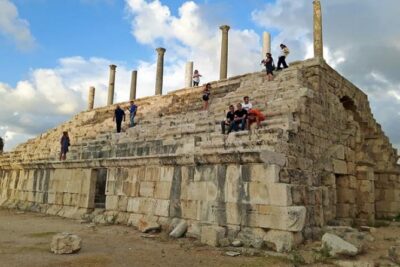
Guided Small-Group Tour to Sidon, Tyre & Maghdouche with Lunch
Read our review →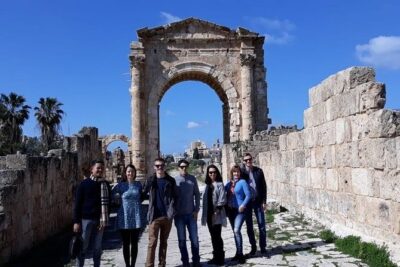
Small Group Tour to Sidon, Tyre & Maghdouche with lunch
Read our review →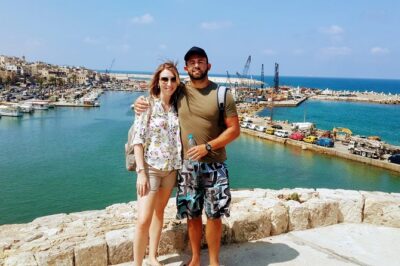
Private Guided Tour to Sidon, Tyre and Maghdouche from Beirut
Read our review →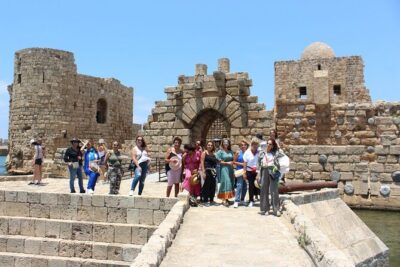
Lebanon tour Sidon & Tyre ruins with pick-up, guide,lunch+entries
Read our review →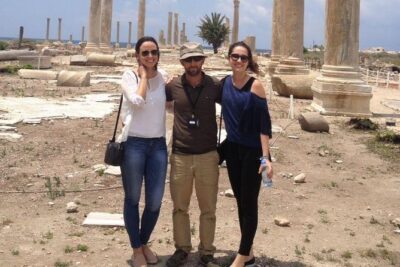
Lebanon Unveiled: Exclusive Private Tours to Sidon & Tyre
Read our review →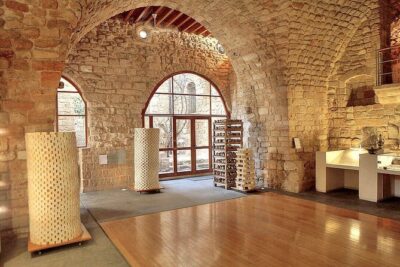
Browse the lists this tour appears in