
Reviewed · SIDON AND TYRE TOURS
Lebanon tour Sidon & Tyre ruins with pick-up, guide,lunch+entries
Tyre’s shoreline ruins and Sidon’s old quarters make this a strong choice for seeing Lebanon’s coastal past in one day. I like the mix of big archaeological sites and small cultural stops, especially the Sidon soap museum and old hammam. I also like that pickup, a guide, lunch, and entries are included.
The main consideration is time. Seven hours must cover travel from Beirut, two cities, sightseeing, and a meal, so this is an overview rather than a slow, scholarly exploration. If you want unhurried museum time or long meals, the schedule may feel brisk.
Key points
- Sidon combines a sea castle, souk, hammam, and soap museum in one compact historic visit.
- Tyre reveals several layers of history, including Greco-Roman, Byzantine, Arab, and Crusader remains.
- A Lebanese brunch or lunch is included, giving the day a useful pause between sightseeing stops.
- Private touring keeps the outing focused on your group, rather than placing you in a large shared party.
- Pickup from Beirut and included entries simplify the day, especially for first-time visitors.
- The tour lasts about seven hours, so expect a well-packed introduction rather than an exhaustive archaeological study.
Two coastal cities, many centuries of history
This tour gives you a clear look at Lebanon’s southern coast without asking you to arrange separate transport, guides, meals, and admission tickets. From a 9:00 am start in Beirut, you head toward Sidon first, then continue to Tyre.
I like the order. Sidon begins with an approachable town visit, where the old market and traditional crafts help put the stone monuments into a living setting. Tyre then provides the larger archaeological payoff, with remains from several major civilizations spread across the city.
You should think of this as a history-packed day with local texture, not a simple ruins outing. You move between a Crusader fortress, narrow market streets, a historic bathhouse, a soap museum, ancient stone walls, and formal archaeological remains.
The experience is private, meaning only your group participates. That matters if you want to ask questions, keep the pace moving, or spend a little longer at one stop. The available information does not name the guide, so you should not book this expecting a particular individual. You can expect a local guide, a driver, and a day built around your group.
More Sidon and Tyre tours in Beirut:
- Small-Group Adventure Tour to Sidon Tyre & Maghdouche-Day Trip
★ 5.0 · 45 reviews - Sidon, Tyre & Maghdouche Day Trip – With Lunch (4G on Board)
★ 4.5 · 44 reviews - Guided Small-Group Tour to Sidon, Tyre & Maghdouche with Lunch
★ 5.0 · 41 reviews
Sidon’s sea castle and old market
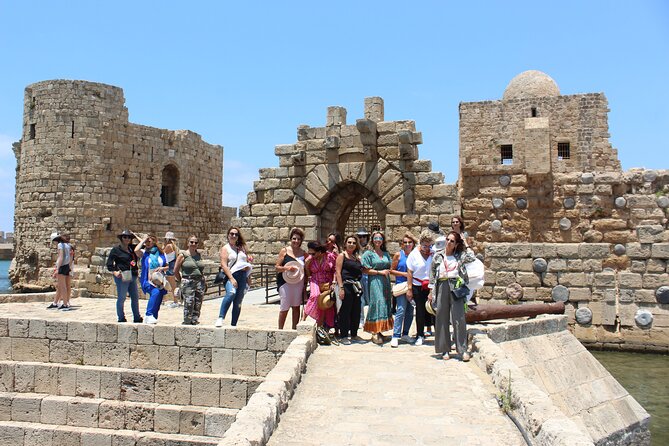
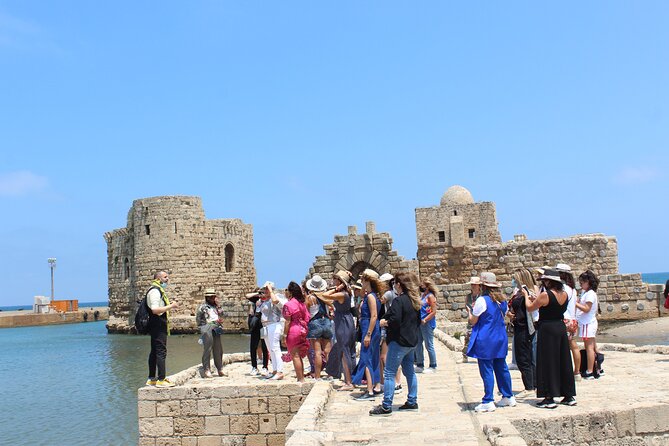
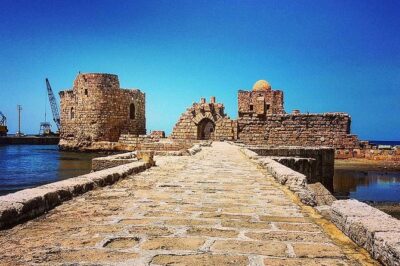
Sidon, also called Saida, opens the tour with the Crusaders Sea Castle. Its position beside the water gives the visit a strong sense of place. You are not looking at an isolated monument in a museum setting. The castle belongs to the coast, the harbor, and the old city around it.
The castle is a good first stop because it is visually direct. You can see the military purpose of the site in its heavy stone construction and coastal position, while the surrounding water keeps the setting open and memorable. Your guide can help connect the Crusader period with the many other powers that shaped the city.
Allow yourself time to look beyond the main walls. The sea, old stone, and nearby urban life help explain why Sidon mattered for trade and defense. The tour description allows about two hours in Sidon, shared among the castle, market, hammam, soap museum, and other old sights. That is enough for a useful introduction, though not enough for a slow study of every corner.
From the castle, the old souk changes the mood. Its narrow lanes bring you into the working city rather than leaving you among monuments. You may find small shops, old building fronts, and everyday movement close together, with the guide pointing out details that are easy to miss when you walk alone.
I like this part because it gives the day a human scale. Ruins can explain dates and dynasties, but a market shows how an old city still functions. Keep your attention on doorways, stonework, signs, and the shape of the lanes. The route is not only about buying something.
The Sharqy Foundation hammam and Sidon’s soap tradition
The old hammam, identified as the Sharqy Foundation, adds another useful layer to the Sidon visit. A hammam was more than a place to wash. It was part of social life, and its rooms help you picture a city where public spaces played an important role in daily routines.
The soap museum makes the stop more distinctive. Sidon is closely linked with traditional soap production, and the museum gives you a cultural subject that is easy to understand through objects, tools, and displays. It also breaks up the stone-and-fortress pattern of the day.
This is one of the tour’s best choices for anyone who wants more than famous monuments. You get a look at a craft tradition and an old public building, not just another view of a castle. The exact museum format and display time are not specified, so let your guide set the pace.
The practical drawback is that the Sidon visit covers several sites in roughly two hours. If you are especially interested in traditional crafts or Ottoman-era architecture, you may wish you had more time. Still, the variety makes the stop work well for a first visit.
Tyre’s Roman streets and Crusader remains
After Sidon, the tour continues to Tyre, a UNESCO World Heritage site. Here the focus shifts from one compact old center to uncovered remains from several cities built over time.
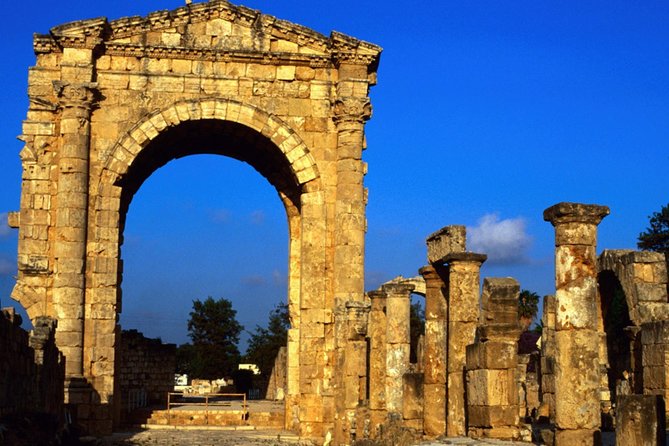
You will see traces connected with the Greco-Roman, Byzantine, Arab, and Crusader periods. That range is what makes Tyre especially valuable. Instead of one neat historical chapter, the site presents layers of settlement and changing power.
Tyre’s ancient remains include stone walls, roads, and other archaeological features. The information provided does not specify every monument or the exact route through the site, so your guide’s interpretation will shape much of the experience. Pay attention to how the ruins relate to one another, rather than treating each stone as a separate object.
The Crusader remains add a medieval chapter to what might otherwise feel like a classical archaeology visit. This combination gives the site a broader reach. You can move from the ancient Mediterranean world to Byzantine and Arab periods, then to the Crusader era, all within the same historic city.
I like the contrast with Sidon. Sidon feels more intimate and tied to its old market life. Tyre feels more open and archaeological, with the remains spread through a setting of old stone and plants. Together, the two cities show different ways Lebanon’s past survives.
A few more Beirut trips to weigh up
- Guided Small-Group Tour to Baalbek, Anjar and Ksara with Lunch
★ 5.0 · 511 reviews - Guided Small-Group Tour to Jeita, Harissa, Byblos with Lunch
★ 5.0 · 361 reviews - Anjar, Baalbek & Ksara Day Trip – With Lunch (4G on Board)
★ 4.5 · 181 reviews - Byblos, Jeita Grotto & Harissa Day Trip -With Lunch (4G on Board)
★ 4.5 · 145 reviews
A Lebanese brunch between the ruins
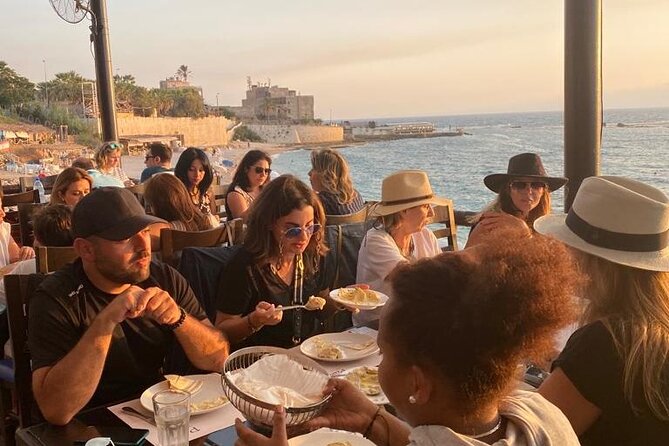
The Tyre portion includes a break for a Lebanese traditional brunch, also described as lunch in the tour details. Food is included in the price, but the exact restaurant, menu, and meal format are not stated.
That uncertainty is worth noting, but the meal still adds value. A seven-hour outing needs a real pause, and a Lebanese meal gives you a chance to sit, eat, and continue without having to search for a restaurant on your own. It also keeps the day connected to local culture rather than treating food as an afterthought.
You may want to tell the provider about dietary needs before departure, since no special meal information is supplied. Do not assume that the menu will match your preferences unless you confirm it in advance.
The meal comes during the Tyre visit, so the timing should help prevent the second half of the day from becoming tiring. If you prefer to control every meal choice, this included arrangement gives you less flexibility. For most people, the convenience will be a plus.
Walking Tyre’s narrow streets and stone walls
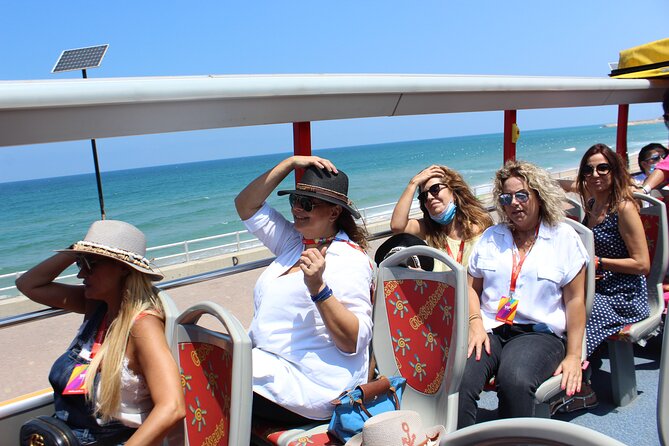
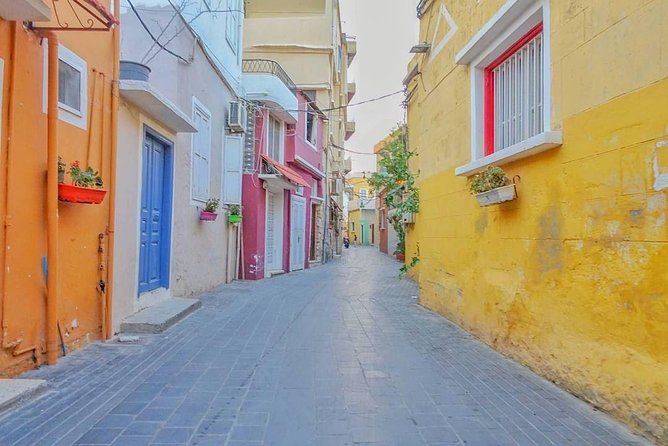
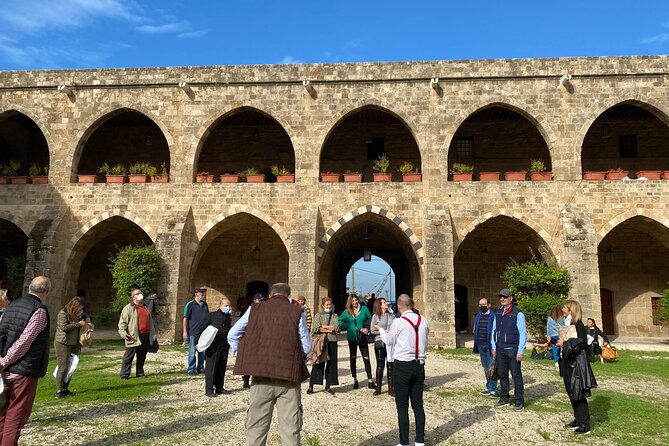
The tour does not stop at the formal archaeological remains. You also walk through Tyre’s narrow streets, where stone walls and colorful plants frame small corners of the old city.
This walking portion matters because archaeology can sometimes feel detached from present-day life. In Tyre, the old walls, lanes, and planted spaces let you see how historic material remains part of an active town. You are not simply moving from one marked site to another.
Wear comfortable shoes. The experience includes walking through old markets, historic buildings, and narrow streets, and the ground may not always feel as easy as a modern pavement. The tour notes that most people can participate, but it does not promise a step-free route or describe the walking surface in detail.
The pace should suit people who want a broad look at Tyre. You can expect short walks, guided stops, and time to notice the town’s character. If your main goal is detailed photography or quiet sketching, the schedule may not leave unlimited time at each viewpoint.
What the private format changes
The private format is one of the tour’s strongest practical features. Only your group participates, so the day does not depend on keeping up with a large party or waiting for strangers at each stop.
A private guide can also adjust explanations to your interests. You might want more detail on Crusader architecture, traditional soapmaking, Roman remains, or the religious and cultural changes that shaped the coast. The exact degree of flexibility is not promised, but a private setting gives you a better chance to ask.
The driver matters, too. The supplied feedback specifically praises the driver and describes the guides as fun, with a good day and plenty of history. That points to a relaxed tone rather than a dry lecture, although the guide’s name is not provided.
Do not confuse a private tour with a fully customized tour. The route still has a set start time, two principal cities, a meal, and a total duration of about seven hours. You have more personal attention, but not unlimited freedom to redesign the day.
Is $155 a fair price?
At $155 per person, the tour is not the cheapest way to see Sidon and Tyre. Its value depends on how much you would otherwise spend arranging the day yourself.
The price includes pickup, a local guide, lunch, and entry fees. It also provides a private experience, which can make the cost easier to justify for couples, families, or small groups who want personal attention. Group discounts are offered, though the amount is not specified.
You are paying for convenience as well as sightseeing. A self-arranged visit would require you to work out transport from Beirut, coordinate the order of the cities, find meals, manage site admissions, and navigate two historic centers. This tour places those tasks in one booking.
The trade-off is control. You may pay more than you would for transport alone, and the seven-hour schedule does not give you a full day at either city. I see the price as reasonable for a private, guided coastal history day, especially if you value straightforward planning.
Ask for the exact pickup details and meal information before booking. Pickup is offered, but the supplied details do not state a precise pickup zone or whether every Beirut address qualifies.
Who will enjoy this day most
I would recommend this tour to first-time visitors to Lebanon who want a strong introduction to the southern coast. It suits you if you want history explained on the spot and prefer not to manage transport between two cities.
It is also a good fit for couples, families, and small groups. The private setup makes it easier to keep the day comfortable for your own pace, though the fixed schedule still requires reasonable mobility and stamina.
History fans will appreciate the range of periods represented in Tyre and the Crusader sites in both cities. Anyone interested in local crafts will especially value Sidon’s soap museum. Food-focused visitors get a traditional Lebanese meal, though the menu is not detailed.
This is less suitable if you want a deep archaeological study, a long free period in one city, or a late start. The 9:00 am departure and seven-hour duration make it a structured day. You will see a lot, but you will not have endless time to linger.
Practical tips for a smoother outing
Bring water, sun protection, and comfortable walking shoes. The tour includes coastal sightseeing, open archaeological areas, old markets, and narrow streets, so clothing suited to warm outdoor walking is sensible.
Keep your morning flexible around the 9:00 am start. Pickup is offered, but the precise meeting arrangement is not provided in the tour details. Confirm where and when the driver will meet you.
Ask questions early in the day. A private guide is most useful when you explain what interests you. If you want more time at the soap museum or extra context about Roman and Crusader remains, say so.
The tour states that service animals are allowed, public transportation is nearby, and most people can participate. Hygiene rules listed for the experience include mask wearing, frequent hand sanitizing, and physical distancing. These requirements can affect how visits operate, so be prepared to follow the instructions in force on the day.
Free cancellation is available if you cancel at least 24 hours before the start time. Later cancellations and changes are not refunded or accepted. The outing also depends on suitable weather and a minimum number of participants, with another date or a full refund offered if the provider cancels for those reasons.
Should you book Sidon and Tyre in one day?
Book it if you want an organized coastal history day from Beirut, with transport, guiding, lunch, and entries handled together. The strongest part is the combination of Sidon’s castle, souk, hammam, and soap museum with Tyre’s broad sweep of ancient and medieval remains.
I would be especially happy choosing it for a first visit or a small private group. The good driver, friendly guiding style, and variety of stops help keep a long history day approachable.
Skip it if your priority is slow exploration. Seven hours is efficient, not leisurely, and both cities deserve more time than this schedule can provide. For most people seeking a practical first look at Lebanon’s southern coast, though, the balance of convenience, cultural detail, and archaeological interest makes the $155 price worthwhile.
FAQ
Where does the tour start?
The tour starts from Beirut, with a listed start time of 9:00 am. Pickup is offered, but the exact pickup location is not specified.
How long does the experience last?
The tour lasts approximately seven hours.
Which cities does the tour visit?
The tour visits Sidon and Tyre in southern Lebanon.
What can I see in Sidon?
The Sidon portion includes the Crusaders Sea Castle, the old souk, the old hammam identified as the Sharqy Foundation, the soap museum, and other ancient sights.
What can I see in Tyre?
You can see uncovered remains connected with the Crusader, Arab, Byzantine, and Greco-Roman cities of Tyre. The visit also includes a walk through narrow streets with stone walls and plants.
Is food included?
Yes. The tour details state that a Lebanese traditional brunch or lunch is included. The exact menu is not specified.
Are entry fees included?
Yes. Entry fees are included according to the tour information.
Is this a private tour?
Yes. Only your group participates in the activity.
What is the cancellation policy?
You can cancel at least 24 hours before the start time for a full refund. Cancellations or changes made less than 24 hours before the start time are not accepted for a refund. If poor weather or an insufficient number of participants causes the provider to cancel, you will be offered another date or experience, or a full refund.
Just added around Beirut
- Journey Through Time: Half-Day Private Tour to Baalbek★ 5.0 · 3 reviews
- Small Group Tours to Jeita Grotto and Byblos with tickets★ 5.0 · 3 reviews
- Wine Tasting and Culture★ 5.0 · 3 reviews
- Small-Group Tour with Lunch to Jeita Grotto, Byblos and Harissa★ 4.5 · 3 reviews
- Traveling Spoon Lebanese Mezze Private Online Cooking Class★ 5.0 · 4 reviews
- Beirut to Qadisha Valley, Bcharri & Cedar: Daily Tours with Lunch★ 4.5 · 3 reviews
- Small-Group Tour to Sidon, Tyre and Maghdouche with Lunch and Tickets★ 4.5 · 3 reviews
- Small-Group Tour with Lunch to Baalbek, Anjar and Ksara★ 5.0 · 3 reviews
Sidon and Tyre Tours, compared.
Small-Group Adventure Tour to Sidon Tyre & Maghdouche-Day Trip
Read our review →
Sidon, Tyre & Maghdouche Day Trip – With Lunch (4G on Board)
Read our review →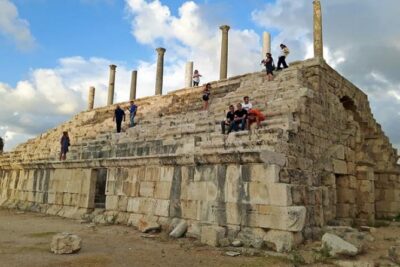
Guided Small-Group Tour to Sidon, Tyre & Maghdouche with Lunch
Read our review →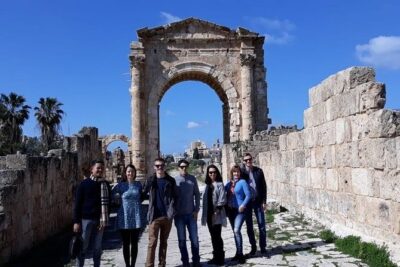
Small Group Tour to Sidon, Tyre & Maghdouche with lunch
Read our review →
Private Guided Tour to Sidon, Tyre and Maghdouche from Beirut
Read our review →
Lebanon Unveiled: Exclusive Private Tours to Sidon & Tyre
Read our review →
Sidon & Tyre Unesco Heritage w/pick-up, guide, entries+lunch
Read our review →Browse the lists this tour appears in