
Reviewed · BAALBEK AND ANJAR TOURS
Guided Full-Day Private Tour to Byblos and Baalbek from Beirut
The striking thing about this day is the contrast: Byblos connects you to Phoenician seafaring and Crusader walls, while Baalbek hits you with Roman scale. You get two very different historic sites without changing hotels or sorting out transport between them.
I like the private format, since your own group can ask questions and move at a sensible pace. I also like that the $100 price includes admission fees, hotel transfers, a driver, and local guides in both places. The drawback is the long day. With a 7:30 am start and about 10 hours on the road and at the sites, this is a full serving of Lebanon rather than a relaxed outing.
Key points to know before booking
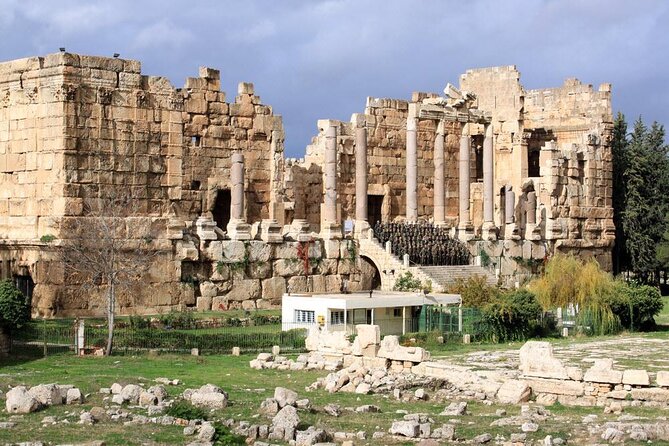
- Baalbek is the main event: Its Roman temple complex includes colossal columns, sanctuaries, and some of the largest worked stones of the ancient world.
- Byblos gives you variety: You visit archaeological ruins, a Crusader castle, a small museum, cobbled souk streets, and an ancient port.
- A private guide changes the experience: You can ask questions directly, and one guide named Rita is specifically praised for her clear explanations and careful attention.
- The price covers the costly basics: Admissions, private air-conditioned transportation, hotel pickup, hotel drop-off, and guides are included.
- Lunch is not included: Plan for a full day and confirm how your meal break will fit into the schedule.
- The schedule is tightly packed: The listed site visits total about five hours and 35 minutes, leaving the rest of the 10-hour day for driving, transitions, and a meal.
Why Byblos and Baalbek make a strong pairing
Lebanon’s ancient sites can feel scattered when you look at a map. This tour solves that problem in one long day from Beirut, taking you north to Byblos and east to Baalbek. The route brings together Phoenician, Crusader, Roman, and Islamic history without asking you to arrange separate cars or guides.
Byblos is about layers. It has been inhabited since Neolithic times and is closely tied to the Phoenician alphabet and Mediterranean trade. Baalbek is about scale. The Roman sanctuary was built over more than two centuries and became one of the great religious centers of the Roman world.
I would choose this trip if you have only one open day beyond Beirut and want the biggest historical return for your time. I would not choose it if you prefer slow mornings, long lunches, or a single site explored at an easy pace.
More Byblos tours in Beirut:
- Guided Small-Group Tour to Jeita, Harissa, Byblos with Lunch
★ 5.0 · 361 reviews - Jeita Grotto,Harissa&Byblos Full-Day PRIVATE-CAR Trip from Beirut
★ 5.0 · 222 reviews - Jeita Grotto – Harissa – Byblos Trip
★ 5.0 · 169 reviews
Starting from Beirut at 7:30 am
Pickup from your Beirut hotel is included, and the tour uses a private, air-conditioned vehicle. That matters here. You are covering a substantial distance, and having round-trip transport keeps the day practical instead of turning it into a puzzle of buses, taxis, and separate admission arrangements.
The start is early, but it is sensible for a two-site excursion. The stated duration is about 10 hours, so a 7:30 am departure points to a return around late afternoon or early evening, depending on road conditions and the time spent at each stop.
The private arrangement gives your group more control than a large coach tour. You can ask the tour leader to clarify a carved figure, a religious reference, or a confusing layer of ruins. The tradeoff is that private tours can feel expensive at first glance, but here the cost includes several services that would otherwise need to be bought separately.
Byblos: Phoenician origins beside the sea
Your first major stop is Byblos, one of the oldest Phoenician cities. Its long occupation gives the archaeological area unusual depth. You are not looking at one isolated monument, but at a place shaped by thousands of years of settlement, worship, trade, and political change.
The visit to Byblos is scheduled for about two hours, with admission listed as free for that portion. The value of having a local guide here is context. Ruins can look like scattered stones when you do not know which building belonged to which era, or why Byblos matters beyond its age.
One especially useful point is Byblos’s link to the history and spread of the Phoenician alphabet. That turns the visit from a general ancient-city stop into a place connected to one of the major developments in written communication.
Take time to look toward the sea. Byblos’s location was not accidental. Its maritime role helped connect the city with the wider Mediterranean, and the port stop later in the visit makes that connection easier to picture.
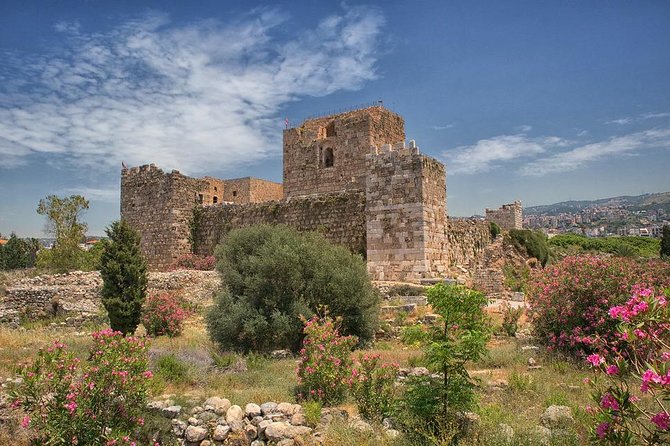
Byblos Castle and the archaeological site
Byblos Castle is a restored 12th-century Crusader fortress set inside the archaeological area. A dry moat about 10 meters wide surrounds it, giving the building a clear defensive shape even before you enter.
Admission to the castle is included. Allow about an hour, which should give you time to inspect the keep, the small museum, and the information panels about the city’s past.
The best reason to climb to the top of the square keep is the view over the ruins. Below the castle walls, you can see Bronze Age dwellings, while the wider setting reaches toward the sea. This is the kind of viewpoint that helps you understand how the site fits together.
Inside, the museum is modest rather than grand. That is not a criticism. The panels and displays are useful because Byblos contains so many periods that a quick visual guide can keep the chronology from becoming muddled.
The castle also supplies a welcome change of pace after the open archaeological ruins. You move from exposed foundations and temple remains into a solid medieval structure with thick walls and a strong sense of military purpose.
More Baalbek and Anjar tours in Beirut:
- Guided Small-Group Tour to Baalbek, Anjar and Ksara with Lunch
★ 5.0 · 511 reviews - Anjar, Baalbek & Ksara Day Trip – With Lunch (4G on Board)
★ 4.5 · 181 reviews - Baalbek – Anjar – Ksara Trip From Beirut
★ 4.5 · 80 reviews - Private Anjar and Baalbek Tour from Beirut with Departure Ticket
★ 5.0 · 79 reviews
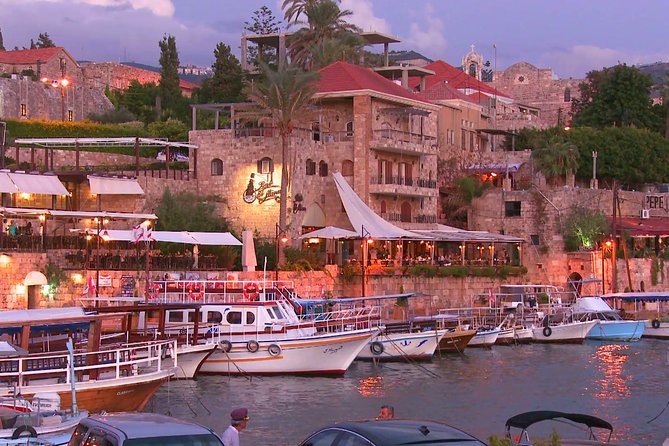
The old souk and Byblos Port
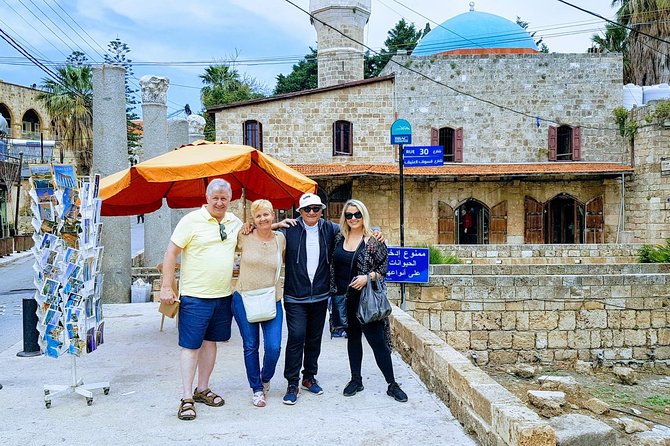
The old souk is a short 15-minute stop. Its cobbled streets, old buildings, souvenir shops, and antiques give you a more modern connection to Byblos than the archaeological site does.
Fifteen minutes is enough for a stroll and a quick look, but not enough for serious shopping. If you see something you want, you may need to make a quick decision. The stop works best as a pause between major historic sites, not as a dedicated market visit.
The port receives another 15 minutes. Lebanese tradition identifies it as the oldest port in the world, and around 3000 BC it served as an important timber shipping center in the eastern Mediterranean.
The exact superlative is less important than the port’s role. Standing there helps you connect Byblos with ships, timber, trade, and the movement of ideas. You can see why a city tied to the sea became important far beyond its immediate shoreline.
Baalbek’s Roman temples and enormous scale
Baalbek is the strongest reason to book this tour. The temple complex sits near the southwestern slope of the Anti-Lebanon range, beside the Bekaa plain, at an altitude of about 1,150 meters.
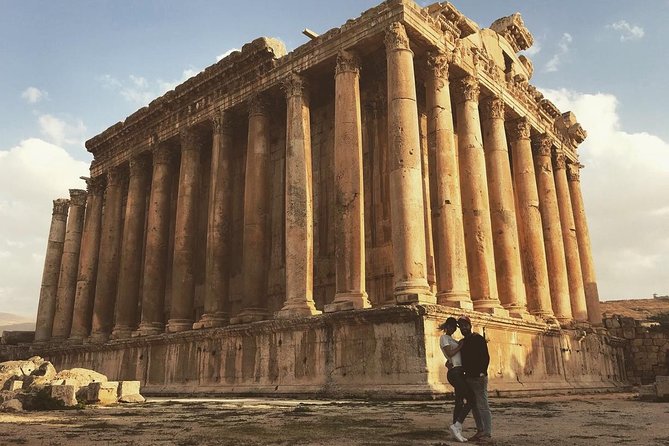
The city reached its peak under Roman rule. Its sanctuaries were built over more than two centuries for the Romanized Triad of Heliopolis: Jupiter, Venus, and Bacchus. The religious setting was essentially Phoenician in origin, even as Roman architecture and names shaped the complex.
You have about an hour and 30 minutes here, with admission included. That is enough for a guided overview and a good look at the major remains, but it is not an unlimited amount of time for close study. If ancient architecture is your main passion, tell your guide early so you can focus on the parts that interest you most.
The scale is what makes Baalbek memorable. Colossal construction was not simply decoration. It expressed power, wealth, engineering ability, and religious importance. Your guide can help you read those remains as a planned sanctuary rather than a collection of impressive fragments.
A private guide is especially useful at Baalbek because the site can overwhelm you. The columns, platforms, carved stones, and open spaces are visually powerful, but the story behind them is what gives the visit shape. A guide named Rita is specifically praised for answering questions and making the day comfortable, though the assigned guide can vary.
Sayyida Khawla Shrine and local religious context
The stop at Sayyida Khawla Shrine is brief, about five minutes, and admission is free. The mosque is associated with Sayyida Khawla, believed by people in Baalbek to have been buried at the site.
This is not a long architectural visit. Its value is cultural and religious. After the Roman sanctuary, the shrine shows that Baalbek is not only an ancient monument zone. It remains a place with active religious meaning and local traditions.
Because the stop is short, treat it as an introduction rather than a full visit. Listen closely to the explanation, and follow any guidance given about respectful behavior at a religious site.
The Stone of the Pregnant Woman
The final listed stop is the Stone of the Pregnant Woman, a worked Roman monolith near Baalbek. You have about 30 minutes here, which gives you time to grasp its size and hear why it matters.
Together with another nearby block, it is among the largest stones ever quarried. The blocks were likely intended for the nearby Roman temple complex, though the exact reason they were left where they were is part of the site’s mystery.
This stop adds an engineering angle to the temple visit. At the main sanctuary, you see the finished result of Roman building ambition. Here, you confront the raw material and the astonishing problem of moving and placing stones of such weight.
The nickname is memorable, but the real point is the monolithic scale. Your guide can put the stone into the wider story of Baalbek’s construction and explain how it relates to the temples you have just seen.
What the $100 price includes
At $100 per person, this tour offers solid value if you want a private day rather than a basic transfer. The price includes:
- Hotel pickup and drop-off
- Private transportation
- An air-conditioned vehicle
- A tour leader
- Local guides in Byblos and Baalbek
- Admission fees for Byblos Castle and the Baalbek temple complex
The included admissions matter because the two main sites are the core of the day. The private vehicle matters even more, since the tour covers Beirut, Byblos, and Baalbek in one outing.
Lunch is not included. That is the main extra cost to plan for, and the schedule leaves roughly four hours and 25 minutes beyond the listed site visits for driving, transitions, and eating. The exact meal arrangement is not specified, so ask the provider how lunch fits into your departure day.
Group discounts are offered, which may improve the value if you are booking for several people. Since this is a private activity, only your group participates.
Who will get the most from this day
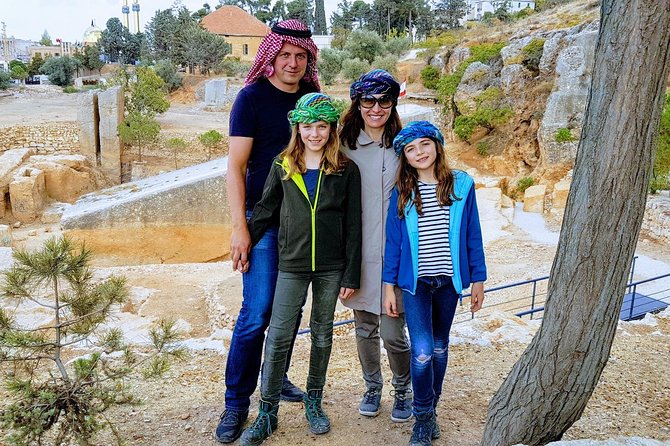
I would recommend this tour to first-time visitors who want Lebanon’s major historic highlights in a single day. It also suits families or small groups that value hotel pickup, a private vehicle, and the ability to ask questions without a large group competing for the guide’s attention.
History fans will appreciate the range. You move from Neolithic and Phoenician Byblos to Crusader architecture, then on to Roman temples and a living Islamic shrine.
The day is less suited to anyone who dislikes early starts or long transfers. The schedule includes several short stops, and the two main sites receive limited but useful guided time. If you want to sketch, photograph every detail, or read every panel, you may wish for a slower plan.
Wear practical shoes for old streets and archaeological ground, and bring water for the outdoor portions. Those are sensible preparations for any day that includes cobblestones, ruins, castle stairs, and open temple grounds.
Booking, cancellation, and practical details
The start time is 7:30 am, and pickup is offered from your Beirut hotel. Confirmation is provided at booking, and most people can participate according to the tour information.
Free cancellation is available if you cancel at least 24 hours before the local start time. Cancellations made less than 24 hours ahead, or changes requested inside that window, are not accepted for a refund.
The strongest praise attached to this experience focuses on the guide service and the comfort of the day. Rita is singled out by name for answering questions and bringing historical detail to life, while the driver is also credited with making the long outing comfortable. That combination matters because a full day can feel tiring when the transport and guiding are poor.
Should you book this Byblos and Baalbek tour?
Book it if you want two major historic sites in one private day, with transport, admissions, and guiding handled for you. The $100 price is reasonable for the package, especially for a small group using the private vehicle and taking advantage of group discounts.
Skip it if you want an unhurried Byblos visit, a long market wander, or a full day focused only on Baalbek. For most people with limited time in Beirut, though, the contrast between Phoenician Byblos and Roman Baalbek makes this one of the more useful day trips available.
FAQ
How long is the private Byblos and Baalbek tour?
The tour lasts approximately 10 hours.
What time does the tour start?
The stated start time is 7:30 am.
Is hotel pickup and drop-off included?
Yes. Round-trip pickup and drop-off from your Beirut hotel are included.
Are admission fees included?
Yes. Admission to Byblos Castle and the Baalbek temple complex is included.
Is lunch included in the price?
No. Lunch is not included.
Is this a private tour?
Yes. Only your group participates in the activity.
What is the cancellation policy?
You can cancel for a full refund if you do so at least 24 hours before the experience start time. Changes or cancellations made less than 24 hours ahead are not accepted for a refund.
More Full-Day in Beirut
- Guided Private Full Day Tour to Baalbek, Anjar and Chateau Ksara
★ 5.0 · 60 reviews - Jeita Grotto, Byblos and Harissa Full-Day Tour from Beirut
★ 5.0 · 23 reviews - Full-Day Private Tour to Jeita Grotto, Harissa and Byblos
★ 5.0 · 20 reviews - Beirut Full Day Walking Tour
★ 5.0 · 14 reviews
Just added around Beirut
- Journey Through Time: Half-Day Private Tour to Baalbek★ 5.0 · 3 reviews
- Small Group Tours to Jeita Grotto and Byblos with tickets★ 5.0 · 3 reviews
- Wine Tasting and Culture★ 5.0 · 3 reviews
- Small-Group Tour with Lunch to Jeita Grotto, Byblos and Harissa★ 4.5 · 3 reviews
- Traveling Spoon Lebanese Mezze Private Online Cooking Class★ 5.0 · 4 reviews
- Beirut to Qadisha Valley, Bcharri & Cedar: Daily Tours with Lunch★ 4.5 · 3 reviews
- Small-Group Tour to Sidon, Tyre and Maghdouche with Lunch and Tickets★ 4.5 · 3 reviews
- Small-Group Tour with Lunch to Baalbek, Anjar and Ksara★ 5.0 · 3 reviews
Baalbek and Anjar Tours, compared.

Guided Small-Group Tour to Baalbek, Anjar and Ksara with Lunch
Read our review →
Anjar, Baalbek & Ksara Day Trip – With Lunch (4G on Board)
Read our review →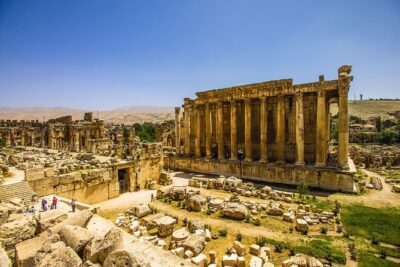
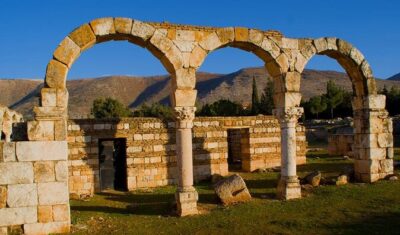
Private Anjar and Baalbek Tour from Beirut with Departure Ticket
Read our review →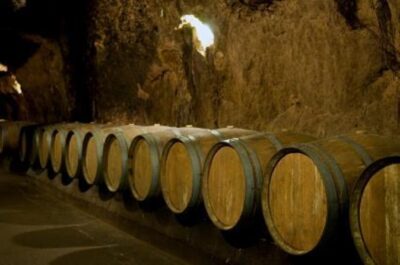
Guided Private Full Day Tour to Baalbek, Anjar and Chateau Ksara
Read our review →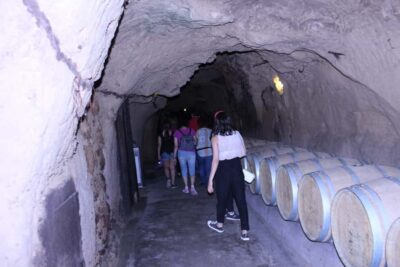
Baalbek Temples & Ksara Caves w/pick-up,guide, entries+lunch
Read our review →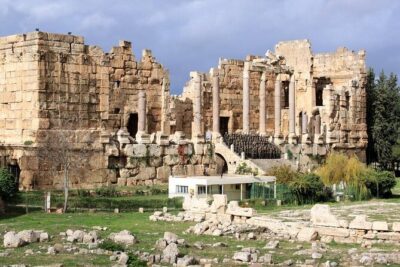
Small Group Tours to Baalbek, Anjar & Chateau Ksara with lunch and Tickets
Read our review →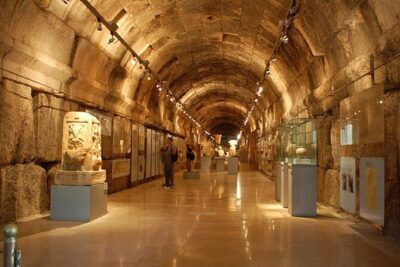
Private Tour: Anjar, Baalbek and Ksara Day Trip from Beirut
Read our review →Browse the lists this tour appears in